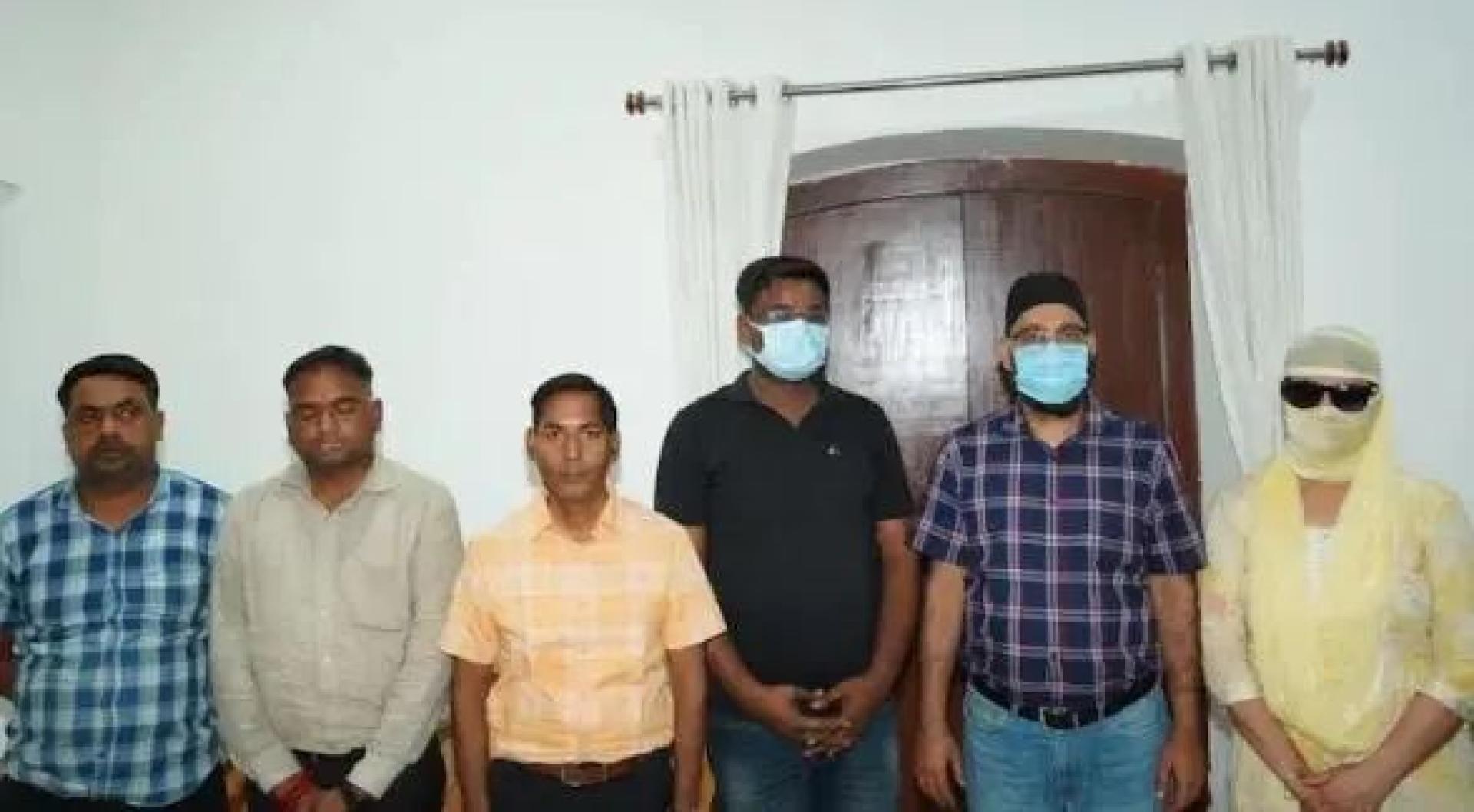
On March 31, police in Kanpur, Uttar Pradesh, India busted a gang operating illegal kidney transplants in several private hospitals, arresting five doctors and one ambulance driver suspected of being the mastermind.
This case originated from a recent payment dispute involving just 50,000 rupees (about 2,200 ringgit), which ultimately exposed a large illegal human organ trafficking network in the area, with amounts involved reaching hundreds of millions of rupees.
According to police reports, a total of six suspects were arrested, five of whom are doctors. Investigations revealed that the gang purchased kidneys from donors for about 1 million rupees (about 43,100 ringgit) and resold them to patients at a high price of around 6 million rupees (about 258,700 ringgit), gaining staggering profits. Their activities were finally exposed after a tip-off by an MBA student at a university in Meerut, India.
Kanpur police chief Raghuveer Lal stated that this criminal gang was not only locally active, but potentially connected across state lines and even internationally, with links to New Delhi, Mumbai, Kolkata, and even Nepal. According to the initial confession of the main suspect, 50 to 60 such illegal transplants had been carried out in Kanpur region over the past two years, with some involving foreign patients.
According to police disclosures, MBA student Ayush reported to the police that he had sold one of his kidneys due to financial hardship, with an agreed price of 1 million rupees. After the surgery, he only received about 950,000 rupees (about 41,000 ringgit). In anger, he called the police.
According to Ayush, he was lured via social media by ambulance driver Shivam Agarwal. Agarwal specifically targeted economically disadvantaged youth, tricking people into this profit-driven criminal network that exploits vulnerable groups.
After receiving the report, Indian police acted swiftly. On the night of March 31, together with the health department, they conducted surprise inspections on three hospitals in the region: Ahuja Hospital, Mason Hospital, and Priya Hospital. Investigations found that one of these hospitals did not have a valid operating license.
During the operation, police took donor Ayush and a recipient suffering from eight years of kidney failure from the scene. Due to Ayush's critical post-surgery condition, he has been transferred to a government hospital for treatment, while the recipient was moved to another medical institution.
Those arrested so far include: Dr. Ahuja, owner of Ahuja Hospital; his wife (also a doctor at the hospital); three other doctors from the hospital; and ambulance driver Shivam Agarwal. Police are currently pursuing four additional doctors involved in the case.
The Indian police further stated that another six to seven hospitals may be involved, with more arrests possible in the coming days. The implicated hospitals have now been sealed off, and 175,000 rupees (about 7,500 ringgit) in cash and a large quantity of banned drugs were confiscated at the scene.
Meanwhile, the relevant Indian authorities are filing charges against the defendants in accordance with the "Transplantation of Human Organs Act 1994" and relevant sections of the "Indian Legal Code."