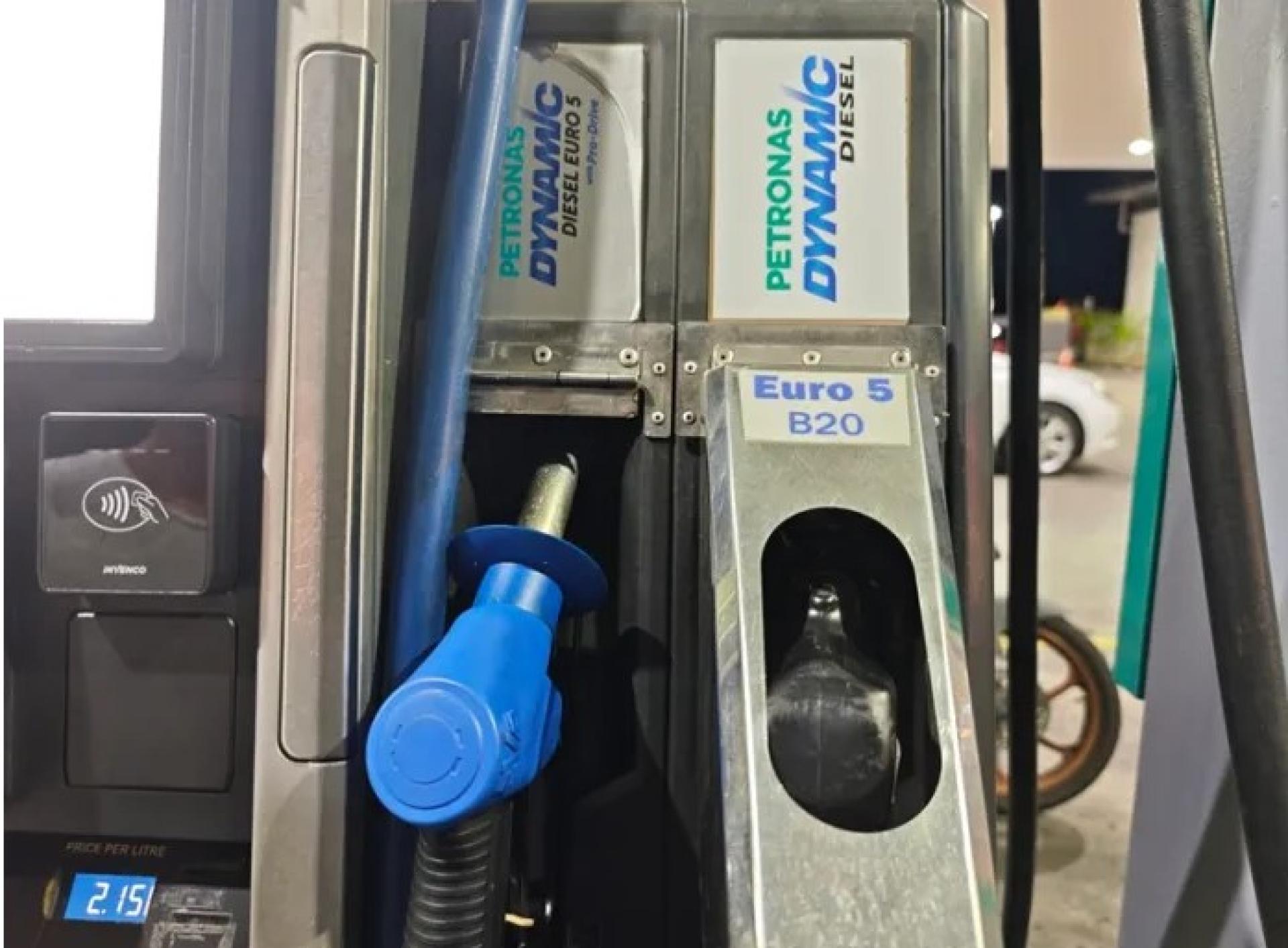
(Kuching, 8th) Sarawak has called on the Federal Government to implement special measures regarding diesel purchase quotas, especially for Sarawak's rural and interior regions, as these areas still rely on diesel generators for electricity and use boats as their main mode of transportation.
Sarawak Deputy Premier and Second Minister for Natural Resources and Urban Development, Datuk Amar Awang Tengah, stated that due to Sarawak’s unique geographical environment and the challenges faced by residents in remote areas—which are vastly different from those in Peninsular Malaysia—special consideration is necessary.
He emphasized that the current diesel purchase limits should be reviewed, particularly for residents who must travel long distances to buy fuel.
He said that many rural residents must bear high transportation costs to reach the nearest petrol station to purchase diesel, yet each transaction is only allowed to buy up to 100 liters of diesel.
"Take Bario as an example: local residents might need up to a 15-hour drive to reach the nearest gas station. We must consider the real-life situations faced by the people of Sarawak."
"I hope special consideration can be given to assist residents living under such conditions."
He made these remarks to the media after chairing the Sarawak Consumer Action Council (GPN) meeting today. This information was reported by the Sarawak Public Communications Unit (UKAS).
Awang Tengah stated that this matter deserves special attention, especially for communities that still heavily rely on diesel in their daily lives and economic activities.
On another note, he pointed out that the meeting also reviewed consumer complaints received so far this year and discussed follow-up actions based on related reports.
The meeting members also listened to reports on law enforcement inspections of business premises and petrol stations, as well as the latest developments regarding the National Consumer Policy 2.0 and the subsidized diesel control system.
Meanwhile, Awang Tengah said that the Sarawak Consumer Action Council will strengthen public awareness efforts to increase public understanding of the subsidy mechanism, including application procedures and ways to obtain related assistance.
"This is extremely important, because without proper explanation, the public may have difficulty understanding the conveniences and assistance provided by the government."
"Therefore, we will continue to intensify our work in this area, through education, training, and enhancing consumers’ awareness of their rights."
He also stressed that cooperation among enforcement agencies will be further strengthened to enhance enforcement efforts, particularly in addressing subsidy leakages and other urgent issues.
Awang Tengah pointed out that effective inter-agency coordination is vital for improving enforcement efficiency, while also ensuring the responsibility of curbing irregularities does not fall solely on the Ministry of Domestic Trade and Cost of Living (KPDN).
Sarawak Deputy Premier and Second Minister for Natural Resources and Urban Development, Datuk Amar Awang Tengah, stated that due to Sarawak’s unique geographical environment and the challenges faced by residents in remote areas—which are vastly different from those in Peninsular Malaysia—special consideration is necessary.
He emphasized that the current diesel purchase limits should be reviewed, particularly for residents who must travel long distances to buy fuel.
"Take Bario as an example: local residents might need up to a 15-hour drive to reach the nearest gas station. We must consider the real-life situations faced by the people of Sarawak."
"I hope special consideration can be given to assist residents living under such conditions."
He made these remarks to the media after chairing the Sarawak Consumer Action Council (GPN) meeting today. This information was reported by the Sarawak Public Communications Unit (UKAS).
Awang Tengah stated that this matter deserves special attention, especially for communities that still heavily rely on diesel in their daily lives and economic activities.
On another note, he pointed out that the meeting also reviewed consumer complaints received so far this year and discussed follow-up actions based on related reports.
The meeting members also listened to reports on law enforcement inspections of business premises and petrol stations, as well as the latest developments regarding the National Consumer Policy 2.0 and the subsidized diesel control system.
Meanwhile, Awang Tengah said that the Sarawak Consumer Action Council will strengthen public awareness efforts to increase public understanding of the subsidy mechanism, including application procedures and ways to obtain related assistance.
"This is extremely important, because without proper explanation, the public may have difficulty understanding the conveniences and assistance provided by the government."
"Therefore, we will continue to intensify our work in this area, through education, training, and enhancing consumers’ awareness of their rights."
He also stressed that cooperation among enforcement agencies will be further strengthened to enhance enforcement efforts, particularly in addressing subsidy leakages and other urgent issues.
Awang Tengah pointed out that effective inter-agency coordination is vital for improving enforcement efficiency, while also ensuring the responsibility of curbing irregularities does not fall solely on the Ministry of Domestic Trade and Cost of Living (KPDN).