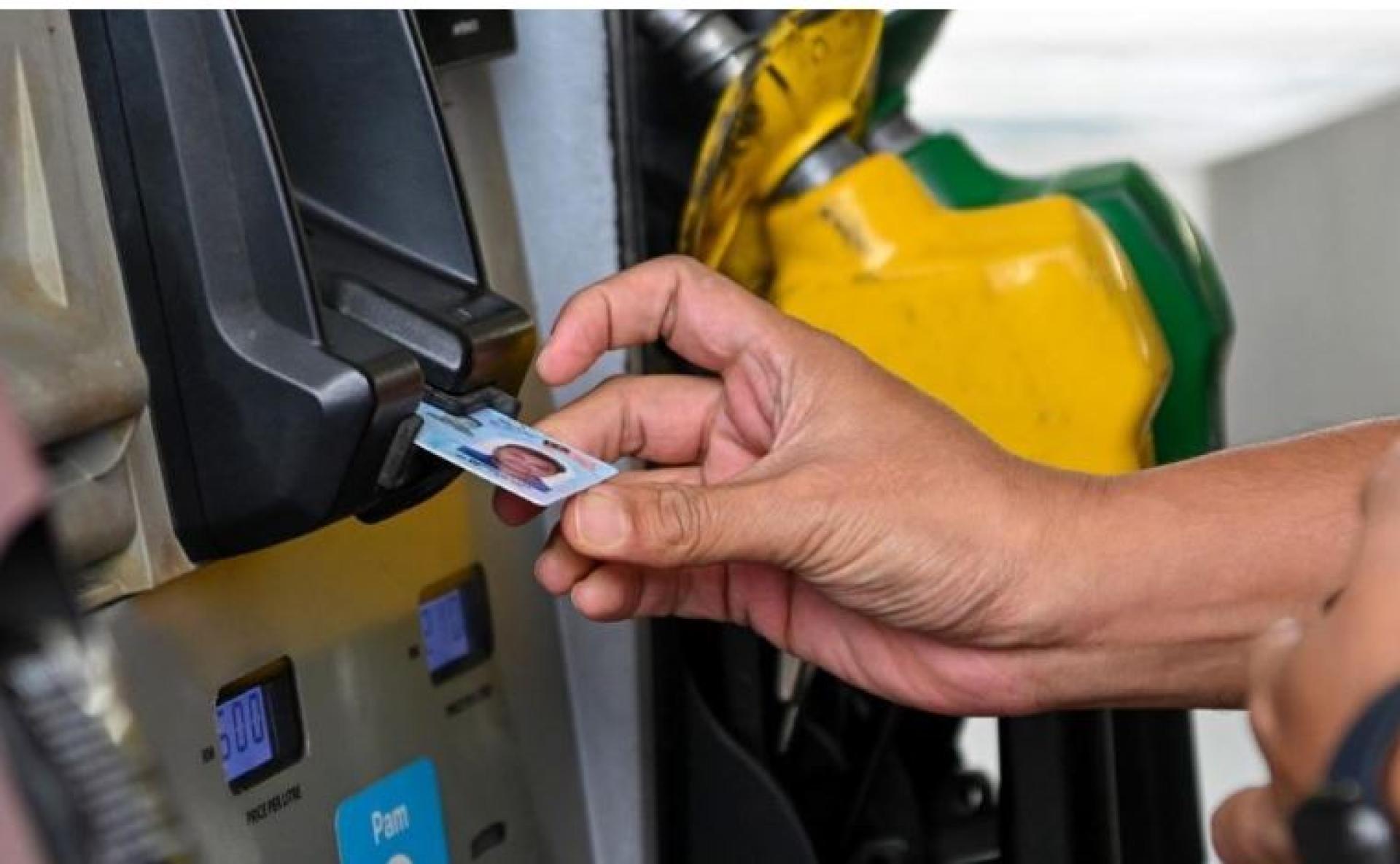
KUALA LUMPUR, 27 Mac (Bernama) -- The decision by the government to maintain the 800-litre monthly ceiling under the BUDI MADANI RON95 (BUDI95) programme for e-hailing drivers and gig workers has been welcomed as a move that supports both service providers and the public.
The measure is seen as helping to stabilise fuel costs and encourage the use of e-hailing services as a primary transport option, particularly amid global energy uncertainties linked to conflicts in West Asia.
A spokesperson for the Penang Northern Region e-Hailing Drivers Association secretariat, Iqmal Hisham Ibrahim, 47, said the limit is sufficient for most full-time drivers, who typically consume about 600 litres of petrol monthly when covering distances of between 3,000 and 4,000 kilometres.
He added that monitoring systems by service providers such as Grab ensure subsidies are channelled to eligible drivers based on performance and distance travelled.
“If a driver’s activity falls below a certain threshold, eligibility will be reassessed,” he said.
In Negeri Sembilan, driver Mohd Alias Abu Bakar, 43, said maintaining the cap allows operations to run more smoothly while easing concerns over rising fuel costs.
“We understand the global situation, but the government’s decision shows continued concern for the rakyat’s welfare,” he said.
Meanwhile, Siti Amirah Nordin, 45, a regular user of e-hailing services, said drivers and gig workers deserve continued support, especially those who rely on the job as their main source of income.
Selangor-based driver Yusof Abdul Halim, 34, echoed similar sentiments, saying the subsidy helps him cope with daily travel demands, which can sometimes exceed 30 kilometres.
“I feel relieved that the government is maintaining the fuel subsidy limit. It really helps cover my daily fuel costs, especially with long travel distances,” he said.
In Pahang, part-time e-hailing driver Mohd Firdaus Rosli, 46, said the decision to maintain the fuel ceiling reflects the government’s commitment to ensuring assistance reaches its intended beneficiaries.
“We understand the need to prevent fuel subsidy leakages through this limit. So far, the allocation is reasonable, and as a part-time driver, I can continue operating as usual,” he said.
Similarly, fellow driver Zaharudin Mohd, 35, expressed relief over the move, noting that it allows him to sustain his income through e-hailing services.
In Johor, e-hailing (Grab) driver Faizal Adnan, 53, said the decision helps ease rising daily operating costs.
“Alhamdulillah, this is a positive step because we are constantly on the move and require substantial fuel to earn a living,” said Faizal, who has been in the industry for eight years.
Meanwhile, part-time Grab driver Yusrina Yusoff, 25, said the government’s move enables drivers to stay afloat despite increasing operational expenses.
Another part-time driver, Muhammad Faiz Ismail, 42, said maintaining the ceiling provides much-needed breathing space for drivers to continue working and boost their earnings amid the rising cost of living.
A spokesperson for the Penang Northern Region e-Hailing Drivers Association secretariat, Iqmal Hisham Ibrahim, 47, said the limit is sufficient for most full-time drivers, who typically consume about 600 litres of petrol monthly when covering distances of between 3,000 and 4,000 kilometres.
He added that monitoring systems by service providers such as Grab ensure subsidies are channelled to eligible drivers based on performance and distance travelled.
“If a driver’s activity falls below a certain threshold, eligibility will be reassessed,” he said.
In Negeri Sembilan, driver Mohd Alias Abu Bakar, 43, said maintaining the cap allows operations to run more smoothly while easing concerns over rising fuel costs.
“We understand the global situation, but the government’s decision shows continued concern for the rakyat’s welfare,” he said.
Meanwhile, Siti Amirah Nordin, 45, a regular user of e-hailing services, said drivers and gig workers deserve continued support, especially those who rely on the job as their main source of income.
Selangor-based driver Yusof Abdul Halim, 34, echoed similar sentiments, saying the subsidy helps him cope with daily travel demands, which can sometimes exceed 30 kilometres.
“I feel relieved that the government is maintaining the fuel subsidy limit. It really helps cover my daily fuel costs, especially with long travel distances,” he said.
In Pahang, part-time e-hailing driver Mohd Firdaus Rosli, 46, said the decision to maintain the fuel ceiling reflects the government’s commitment to ensuring assistance reaches its intended beneficiaries.
“We understand the need to prevent fuel subsidy leakages through this limit. So far, the allocation is reasonable, and as a part-time driver, I can continue operating as usual,” he said.
Similarly, fellow driver Zaharudin Mohd, 35, expressed relief over the move, noting that it allows him to sustain his income through e-hailing services.
In Johor, e-hailing (Grab) driver Faizal Adnan, 53, said the decision helps ease rising daily operating costs.
“Alhamdulillah, this is a positive step because we are constantly on the move and require substantial fuel to earn a living,” said Faizal, who has been in the industry for eight years.
Meanwhile, part-time Grab driver Yusrina Yusoff, 25, said the government’s move enables drivers to stay afloat despite increasing operational expenses.
Another part-time driver, Muhammad Faiz Ismail, 42, said maintaining the ceiling provides much-needed breathing space for drivers to continue working and boost their earnings amid the rising cost of living.