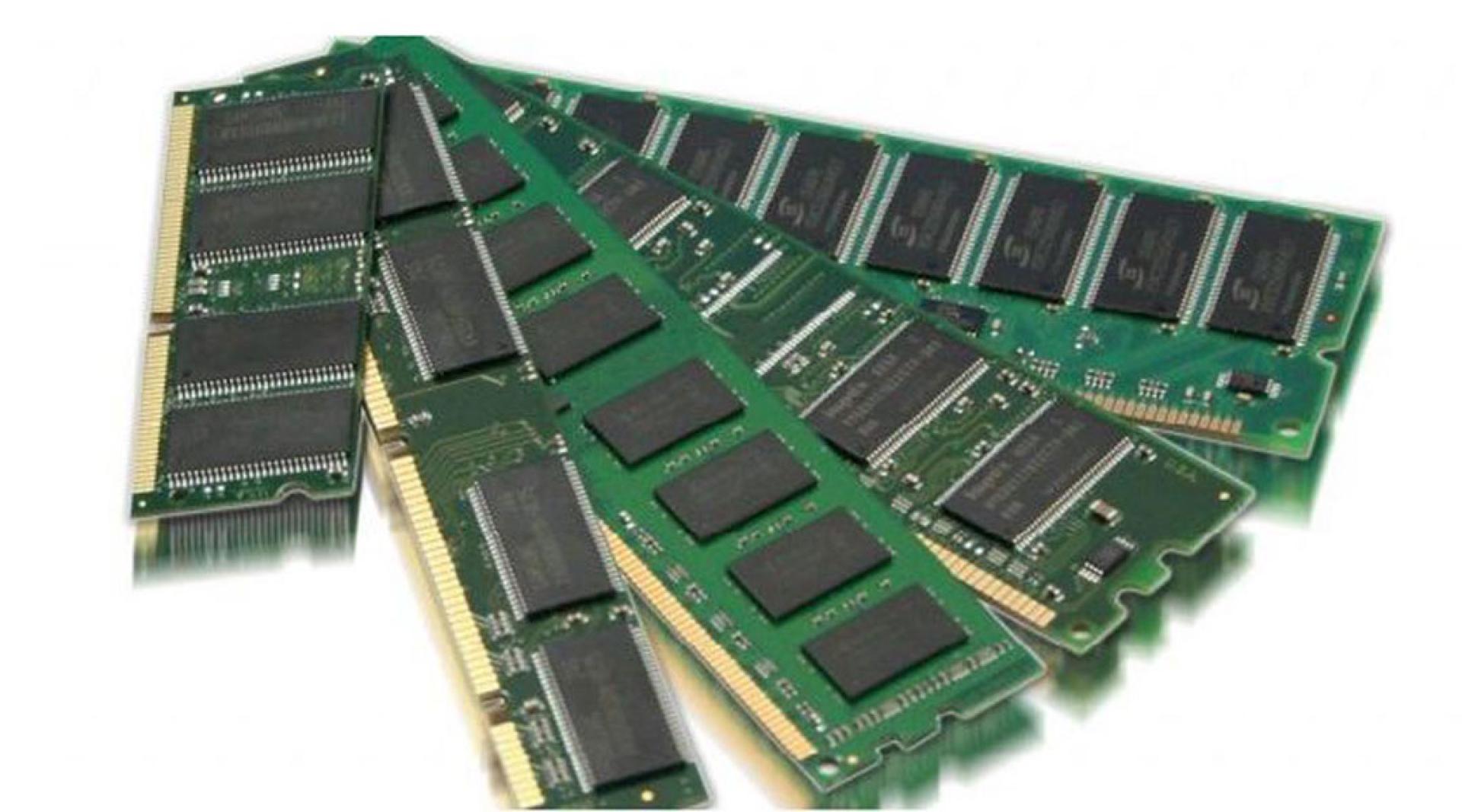
Driven by AI development, global memory prices are skyrocketing. Memory used for custom-built computers has more than doubled since July last year, and server-grade high-capacity, high-frequency memory has surged past 40,000 RMB (23,200 MYR) per module. With 100 modules packed in a box, its total price now exceeds that of many Shanghai real estate units.
According to Chinese media Times Weekly, computer-use DRAM (memory) is experiencing the sharpest price surge in history, far outpacing the rise in gold. Since July 2025, DRAM prices have continued to climb rapidly, with most categories seeing increases above 100%. Data from PCPartPicker shows that both DDR4 and DDR5 memory have increased 2-3 times in price within the year.
Industry insider Wu Shen (pseudonym) stated that memory prices are “almost changing daily” at this point. For example, a single stick of 256GB DDR5 server memory is now priced above 40,000 RMB. “If you purchase 100 sticks at once, packed in a single box, that’s 4 million RMB (2.321 million MYR),” he described, “which is already more valuable than quite a few Shanghai properties.”
According to PC builders at Shanghai Buynow and Kunshan SEG Electronics Markets, the mainstream dual-channel 2×16GB memory kits are now retailing at around 1,600 RMB (928 MYR), while during last year’s 6/18 shopping festival they were about 800 RMB (464 MYR). Due to the rapid price increases, PC builders are hesitant to stock up on inventory, only procuring from suppliers on demand when customers make purchases, to avoid huge losses in case prices drop.
The current surge in DRAM prices, analysis from an IDC consulting report indicates, is due to a surge in demand as AI workloads require massive amounts of memory. Manufacturers have shifted production to focus on high-bandwidth memory (HBM) and high-capacity DDR5 specifically for AI servers. Meanwhile, production of consumer-grade but low-profit DDR4 has been drastically reduced, sharply driving up the cost for custom-built PCs.
The report quotes semiconductor expert Zhang Guobin who notes that memory manufacturers typically need three to four years to expand production capacity. It’s expected that this supply-demand imbalance will be difficult to resolve in the short term.