Including Key Resources Such as Palm Oil and Coal, Indonesia to Centralize Exports via State-Owned Enterprises to Boost Tax Revenue
Published atMay 21, 2026 03:32 pm
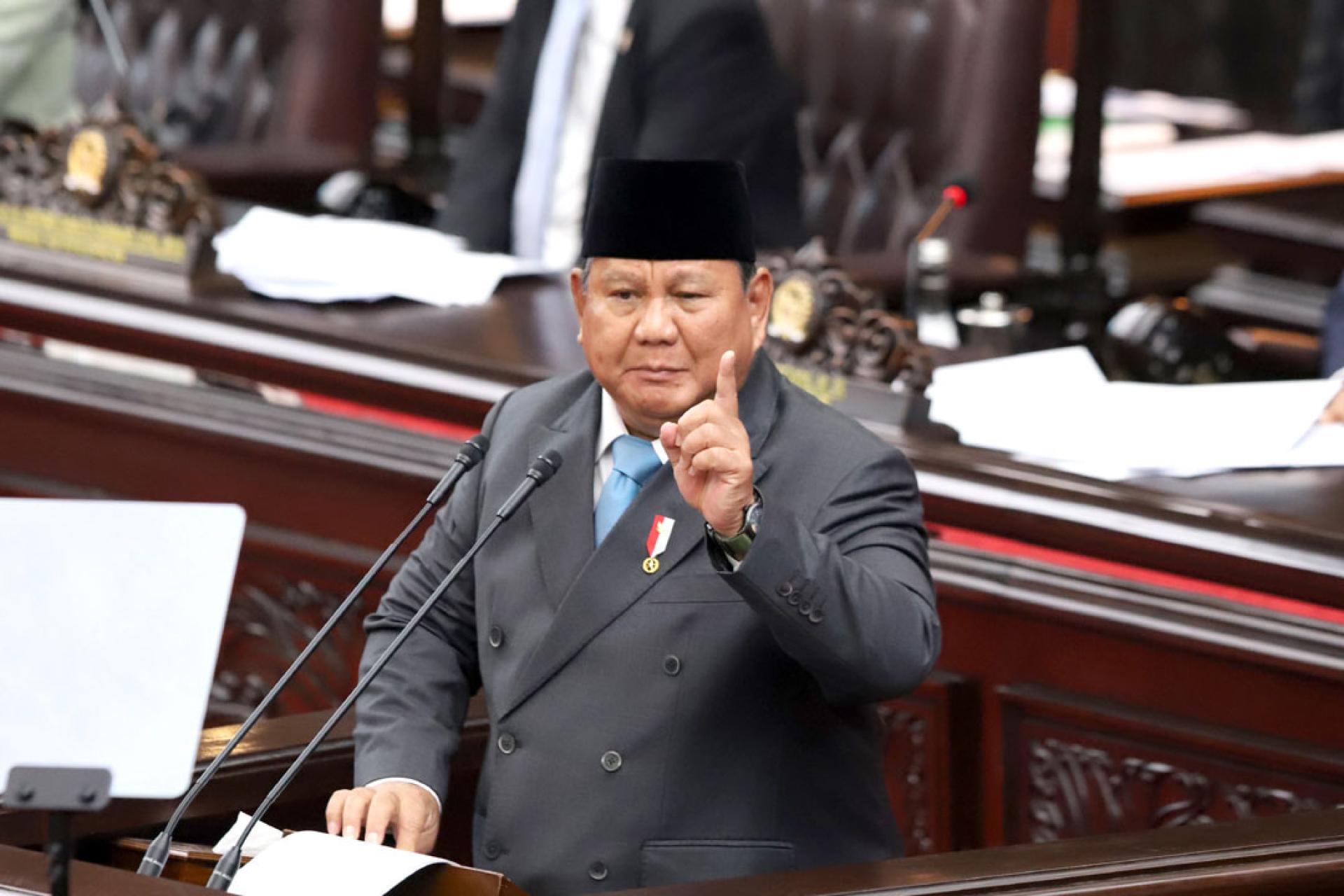
On the 20th, Indonesian President Prabowo announced in parliament that, in order to strengthen natural resource management and optimize national tax revenue, Indonesia will centralize the management of exports for key natural resources such as palm oil, coal, and ferroalloys.
He said that in the future, the export sales of all natural resources—starting with palm oil, coal, and ferroalloys—must be conducted through government-designated state-owned enterprises.
He pointed out that the proceeds from each export sale will be settled by the designated state-owned enterprise before being transferred to the relevant companies. In the future, Indonesia’s palm oil export sales must be conducted through government-designated state-owned enterprises.He emphasized that this move is a strategic measure for Indonesia to strengthen the management of natural resource commodity exports, with the main aim to intensify supervision and monitoring, as well as eradicate practices such as underreporting of prices, under-invoicing, transfer pricing, and capital outflow of export proceeds.
He stated that the new regulations will help optimize national tax revenue.
Indonesia is one of the world’s major exporters of palm oil, coal, and ferroalloys. The relevant regulations have already been incorporated into the draft “Government Regulation on the Management of Exports of Strategic Natural Resource Commodities.”
Nevertheless, the Indonesian Palm Oil Association (POPSI) criticized the government’s new rule, saying it may fundamentally change the structure of Indonesia’s palm oil trade and create ample room for trade monopolies.
Bank Indonesia Raises Interest Rate by 50 Basis Points to 5.25%
Meanwhile, Bank Indonesia announced on the 20th that it would raise its benchmark interest rate by 50 basis points to 5.25%, an increase larger than market expectations.
This is Bank Indonesia’s first rate hike since April 2024, and the rate had been maintained at 4.75% since September last year.
Bank Indonesia stated that this rate hike aims to strengthen the stability of the rupiah exchange rate and ensure that inflation remains under control.
Due to the situation in the Middle East, capital outflows, and growing market concerns about fiscal conditions, the Indonesian rupiah has been under persistent pressure recently. In recent days, the rupiah-dollar exchange rate once fell to a historic low near 17,700 rupiah to the US dollar. After the rate hike decision was announced, the rupiah recovered to about 17,600 rupiah to the US dollar on the afternoon of the 20th.
This article has been translated using our AI technology. While we strive for accuracy,
AI translations
may contain errors. For the most precise information, please refer to the original article.