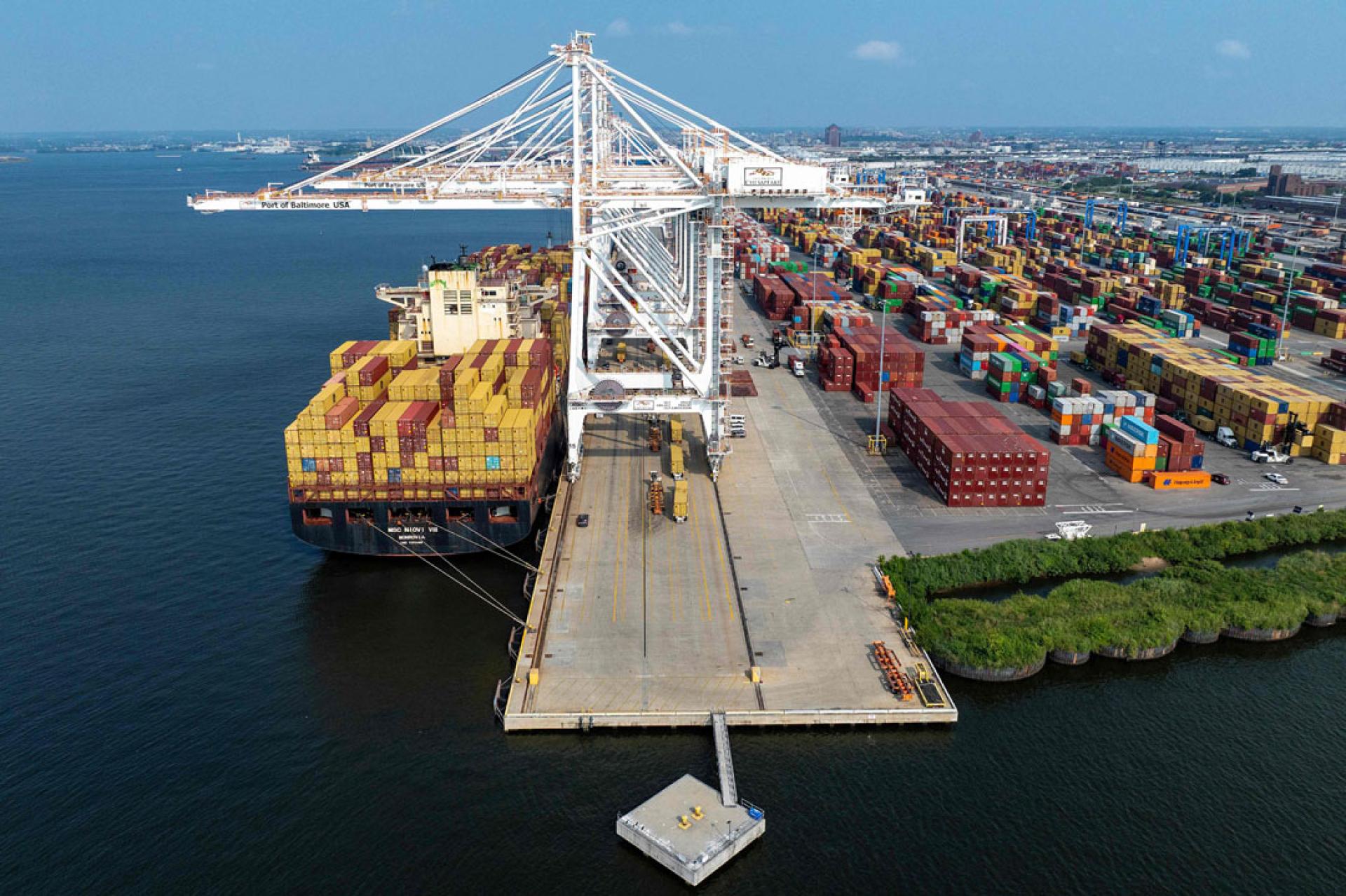
(U.S., 22nd) — U.S. President Trump stated on the 21st that the 'global import tariff' rate, which was announced the day before on goods imported into the U.S., would be raised from 10% to 15%, effective immediately.
He posted on social media that, based on a review of the U.S. Supreme Court’s ruling, tariff rates on multiple countries worldwide will immediately increase from 10% to 15%. In the coming months, the U.S. government will determine and announce new legal tariffs.
The Supreme Court had, on the 20th, issued a decision ruling that the U.S. 'International Emergency Economic Powers Act' did not authorize the President to impose large-scale tariffs. This signifies a significant setback for Trump's tariff policy. Later that day, Trump signed an executive order formally ending the implementation of tariffs previously enacted under the authority of the 'International Emergency Economic Powers Act.'
Also on the 20th, after the Supreme Court ruling was announced, Trump declared that, under Section 122 of the 1974 Trade Act, he would impose a 'global import tariff' at a rate of 10% for 150 days, to replace the tariffs ruled illegal by the Supreme Court. According to U.S. media reports, this provision has never been used before and allows the government to impose tariffs of up to 15%—for a maximum period of 150 days—in cases of trade imbalances with other countries, unless Congress approves an extension.
Trump said that all tariffs imposed by the U.S. in the name of national security, as well as those imposed under Section 232 of the 1962 Trade Expansion Act and Section 301 of the 1974 Trade Act, will remain in effect.
U.S. Trade Representative Grellier said in an interview with Fox News Channel on the 20th that trade agreements already reached between the U.S. and other countries must be honored, even if the tariff rates stipulated in those agreements are higher.
He cited, for example, that tariffs on goods imported from Malaysia and Cambodia to the U.S. would remain at 19%.