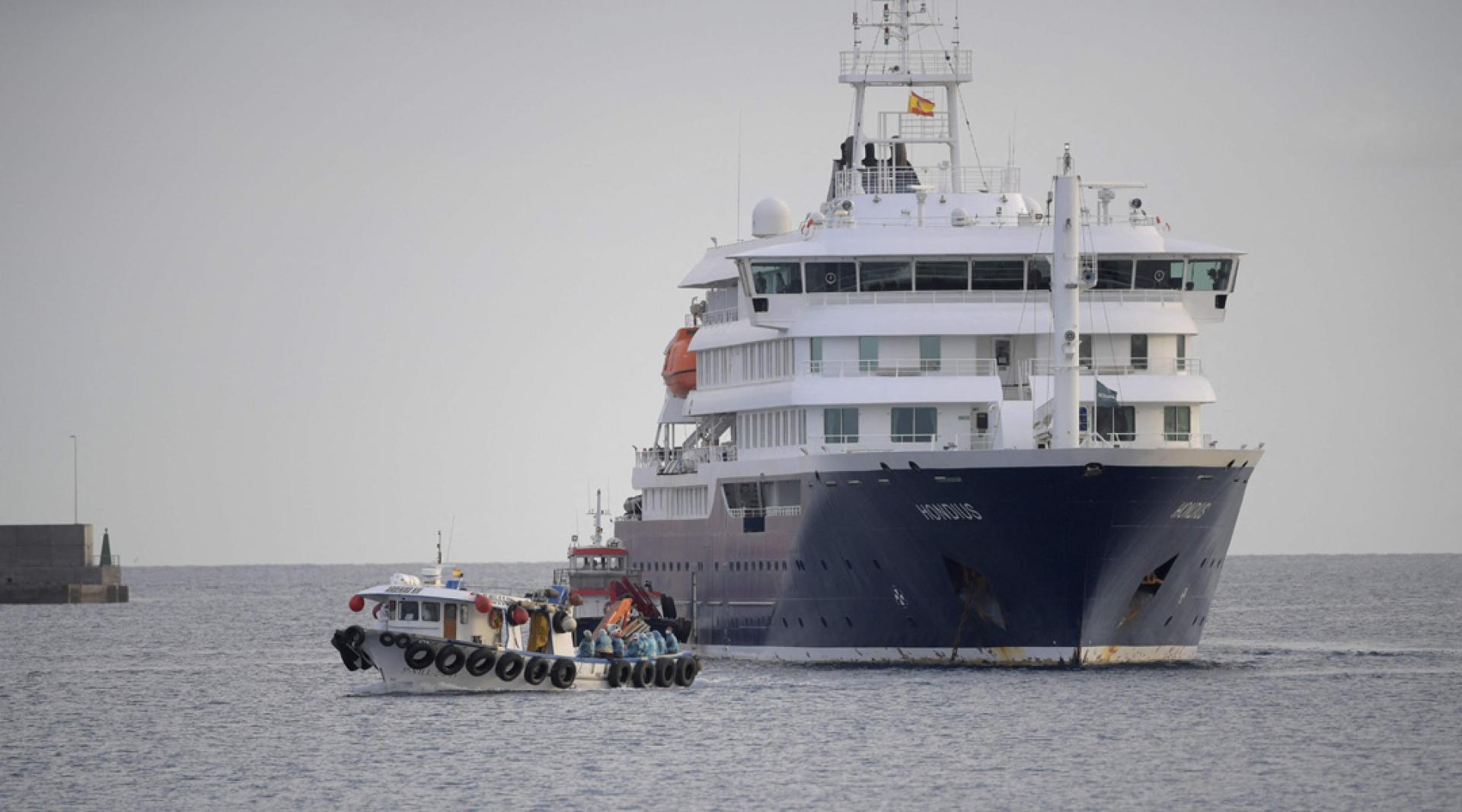
Ushuaia, the southernmost city of Argentina, is renowned as the 'End of the World' and serves as the main hub for Antarctic travel and exploring the breathtaking natural scenery of Patagonia. Recently, however, it has come under a cloud due to suspicions of being the source of a hantavirus outbreak, which has cast a shadow over the local tourism industry. In response, local health authorities have denied any link between Ushuaia and the hantavirus outbreak on the Dutch cruise ship Hondius, urging the public not to speculate excessively.
It is widely believed that the virus was transmitted before boarding or in the early stages of the voyage, but the exact source of infection has not yet been identified. Some media outlets have speculated that a passenger may have contracted the virus at a landfill site in the outskirts of Ushuaia, which is a popular birdwatching spot for tourists and also attracts rodents.
According to some media reports, the 'patient zero' of the cruise ship outbreak has been identified as 70-year-old Dutch ornithologist Siepelrood. In late March, he and his wife went birdwatching at a landfill in Ushuaia, where he is believed to have inhaled aerosolized particles of rodent droppings carrying the hantavirus, contracted the only person-to-person transmissible Andes virus strain, and subsequently died of the infection.
In response, Petrina, Director of the Department of Epidemiology and Environmental Health of Tierra del Fuego Province, where Ushuaia is located, said that since hantavirus was classified as a notifiable disease in 1996, there has never been any recorded case in the area.
He emphasized that the endemic area for hantavirus is located more than 1,500 kilometers to the north. Furthermore, the principal host rodent, the long-tailed mouse, does not exist in the region, local climate conditions are not conducive to the spread of the virus, and most importantly, Tierra del Fuego is an island. "Even if rodents started moving ... they would still have to cross the Strait of Magellan in order to infect local species."
Nevertheless, the Argentine government has announced it will send a team of experts to investigate. Experts point out that although the likelihood of local infection is low, it is still necessary to further study virus transmission pathways as the ecological environment changes.
Patient boarded cruise ship from Ushuaia on April 1
Siepelrood and his wife boarded the cruise ship in Ushuaia on April 1st along with 112 others, many of whom were also birdwatchers or scientists.
On April 6th, Siepelrood developed symptoms including fever, headache, stomach pain, and diarrhea, and died on the ship five days later. On April 24th, Miriam disembarked at Saint Helena Island in the Atlantic, intending to transfer via Johannesburg, South Africa to return to the Netherlands; however, her condition worsened, and she was asked to leave the plane by the crew. She then collapsed at the airport and died the following day.