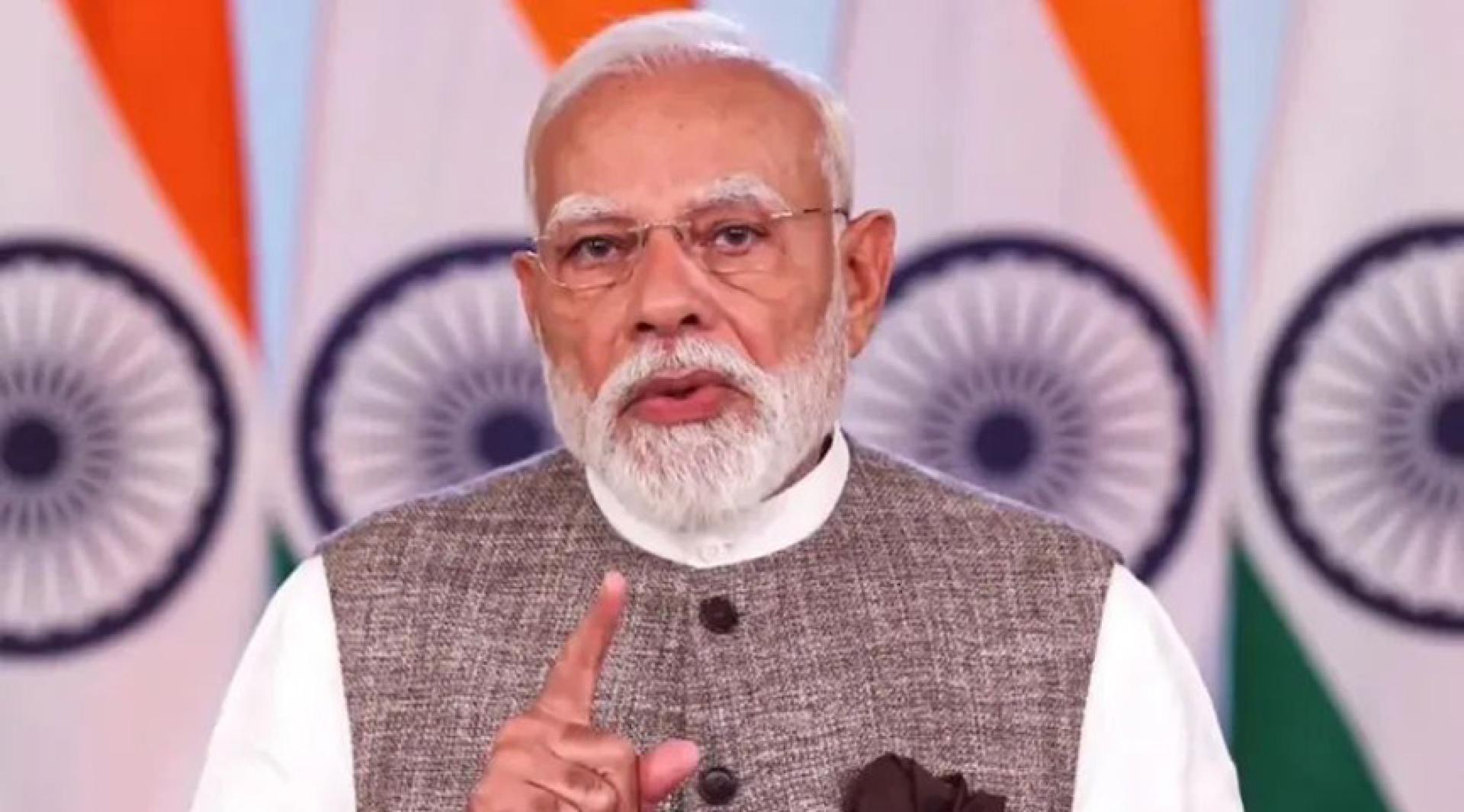
Impacted by the energy crisis and surging global oil prices triggered by the US-Iran conflict, Indian Prime Minister Modi delivered a speech in Hyderabad on Sunday, urging citizens to adopt a “responsible lifestyle for the nation.” His suggestions included reducing fuel consumption, avoiding unnecessary overseas travel and gold purchases, and promoting a return to work-from-home and online meetings as prevalent during the pandemic, to ease pressure on the country's foreign exchange reserves.
Modi stated that India is facing global economic uncertainties, supply chain disruptions and inflationary pressures, and called on the people to help the nation weather these difficulties together. He urged people to refrain from purchasing gold unnecessarily for at least one year, and to cut back on overseas travel and expenses such as overseas weddings, describing the saving of foreign exchange reserves as a “patriotic act.” Modi said: “If everything relies on imports, how can the country progress?”
He also encouraged people to support local products and drive the “Vocal for Local” campaign, by prioritizing Indian-made shoes, bags, daily necessities and more. In addition, Modi proposed re-adopting modes of work from the COVID-19 pandemic era, such as working from home, online and video conferences, to reduce traffic and fuel consumption.
He called on the public to use the metro and public transport more, carpool, and make greater use of the railways for freight transportation, while promoting electric vehicles.
Modi also suggested that households reduce their consumption of cooking oil, saying this would not only help the national economy but also benefit people's health.
On agriculture, he said that despite soaring global fertilizer prices, the Indian government continues to ease the burden on farmers through subsidies. He noted that fertilizers selling for nearly 3,000 rupees (about 124 ringgit) on the international market would be available to Indian farmers at less than 300 rupees (about 12.4 ringgit).