On the 6th, the editorial department of “The Way With Words” announced in Shanghai the Top 10 Chinese language errors for 2025. High-frequency and widespread usage mistakes in language, including the error of calling Myanmar’s capital 'Yangon,' made the list.
'神祇' Mistaken as '神祗'
One major error is writing '神祇' mistakenly as '神祗'. The film Nezha: The Devil's Child Disrupts the Sea (the second film in the Nezha series, also known as Nezha 2) broke many box office records, and some media described Nezha as a “Taoist 神祗 (shén zhī).”
The spelling '神祗' is incorrect and should be '神祇'. '神祇' is a general term for deities: '神' refers to heavenly gods; '祇' refers to earth gods. '祗' means respectful, as in “祗仰” (paying respect), or “祗候” (respectfully waiting). The characters 祇 and 祗 differ by only one stroke and were sometimes used interchangeably in ancient texts, but their meanings and uses now clearly differ. Nezha is an immortal, so the term should be “神祇” and not “神祗.”
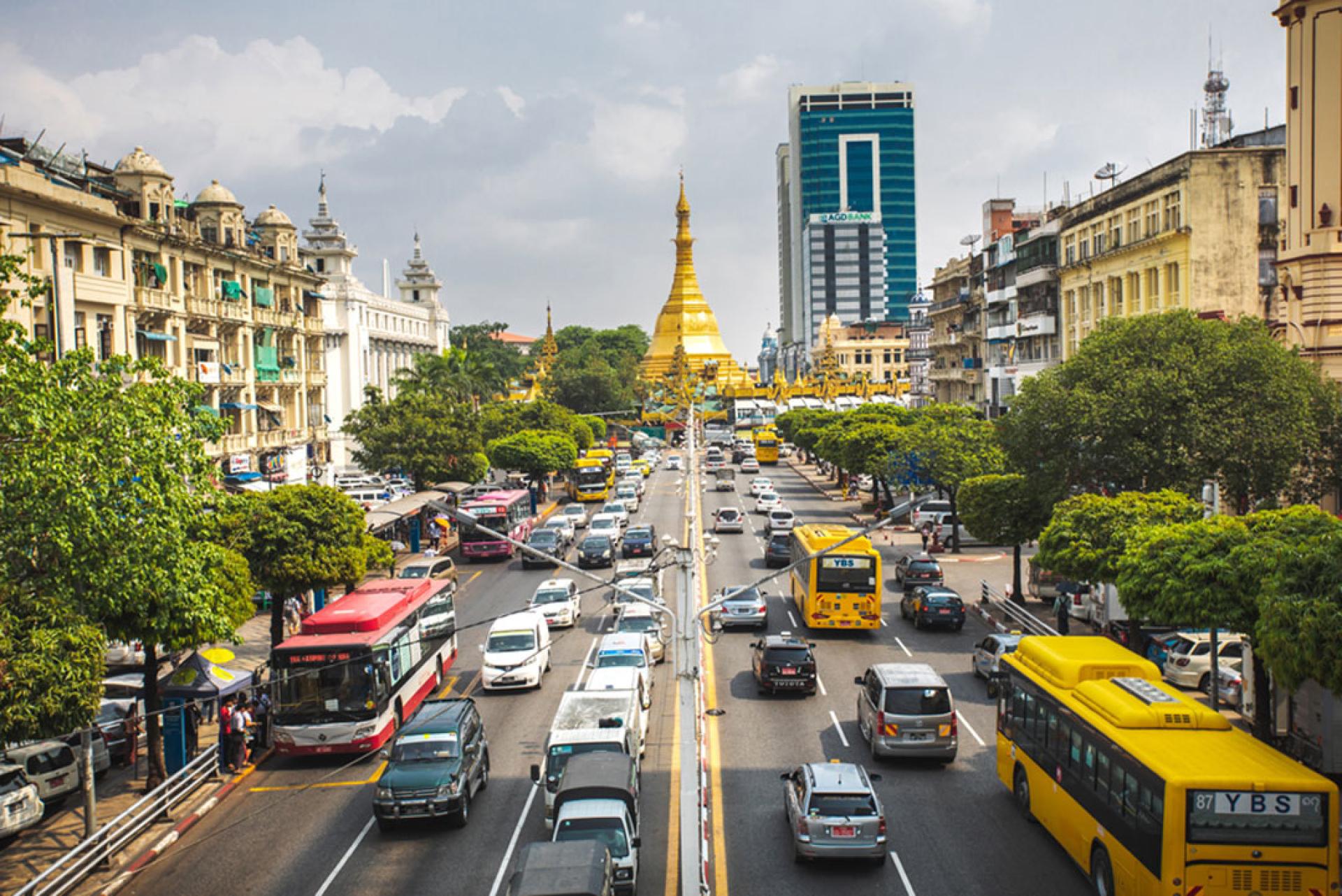
Another major error is mistaking Myanmar’s capital for 'Yangon'. Many media outlets erroneously referred to Myanmar’s capital as 'Yangon' in their reports, when the current capital is “Naypyidaw”. Yangon was founded in 1755 and became the capital after Myanmar's independence in 1948. In November 2005, the capital of Myanmar was moved from coastal southern Yangon to central inland Naypyidaw.
Naypyidaw was first built in 2003 and was officially named “Naypyidaw” in March 2006, meaning “Royal Capital”. Yangon is about 400 kilometers from Naypyidaw and remains Myanmar’s largest commercial port and a world-famous tourist city, but is no longer the capital.
The Way With Words was founded in 1995 and enjoys considerable social reputation. Chief editor Huang Anjing stated that since 2006, the magazine has consistently selected and released the annual Top 10 Language Errors. By 2025, this will have been done for 20 years, with the hope of continuing to correct errors and promote language norms.