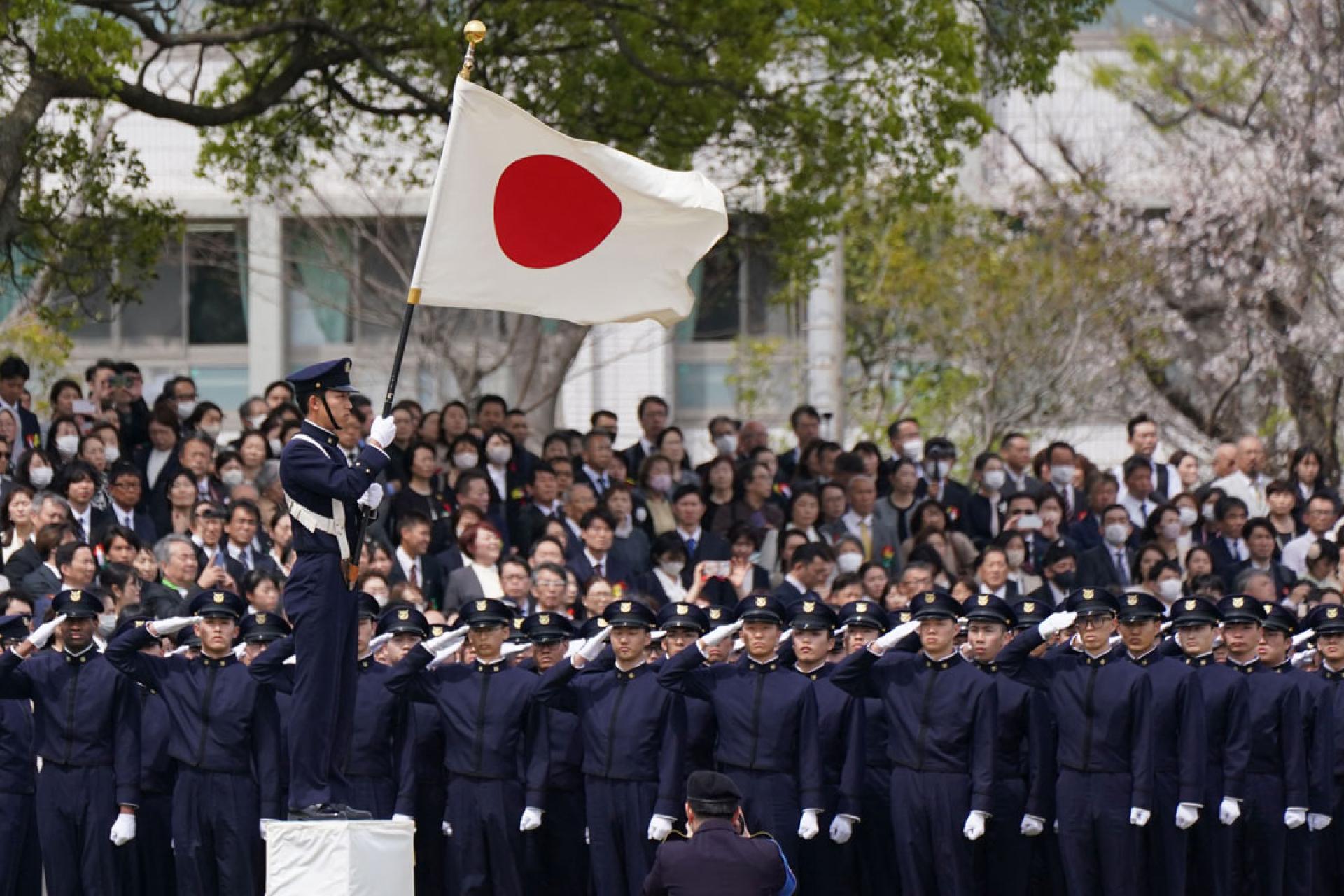
Recently, China's frequent use of statements such as "opposing militarism" in joint declarations with various countries has reinforced historical and security narratives, with diplomatic and public opinion pressure on Japan's re-militarization. However, Singaporean scholars point out that the actual effect may be limited because neighboring countries generally do not want to take sides.
According to Lianhe Zaobao, analysts believe that for Beijing, Japan’s strengthened military capabilities would be even more detrimental to China in its future handling of the Taiwan issue. Therefore, Beijing is trying to shape international public opinion through diplomatic documents to slow down the pace of Japan’s defense capability enhancement. It is also expected that China will seek more countries to voice support in the future, but most regional countries are believed unlikely to take sides.
Associate Professor Li Mingjiang at the S. Rajaratnam School of International Studies, Nanyang Technological University, Singapore, analyzed that Beijing is indeed trying to slow the process of Japan’s “re-militarization” through diplomatic documents, but the actual results are limited, as neighboring countries generally do not want to pick sides; countries such as the Philippines and Vietnam may even welcome an enhanced Japanese military presence in order to balance regional power. He assesses that China will continue to seek more countries to express support through diplomatic channels.
● Trend Difficult to Halt in the Short Term
Li Mingjiang judges that the trend of “Japan’s military capability enhancement” will be difficult to halt in the short term. In addition, factors such as North Korea’s refusal to denuclearize and the U.S. pushing allies to take on more security responsibilities are increasing the uncertainty of the security environment in the Asia-Pacific, especially in Northeast Asia.
● Think Tank: Achieved Outcomes to Some Extent
Chen Yang, Director of the Japan Research Center at Haiyi Think Tank, believes that China’s diplomatic pressure on Japan has achieved some results to a certain degree. He said not only in Japan itself, but also in many countries and regions, there have been criticisms and concerns over Japan’s “new militarism” and “re-militarization,” as well as protests of varying scales.
Chen Yang analyzed that China’s systematic strengthening of diplomatic and public opinion pressure on Japan is intended not to be limited to bilateral negotiations, but to incorporate related topics into the framework of joint statements with third countries, so as to highlight Japan’s historical responsibility, and contrast it with current developments in Japan’s military policies.