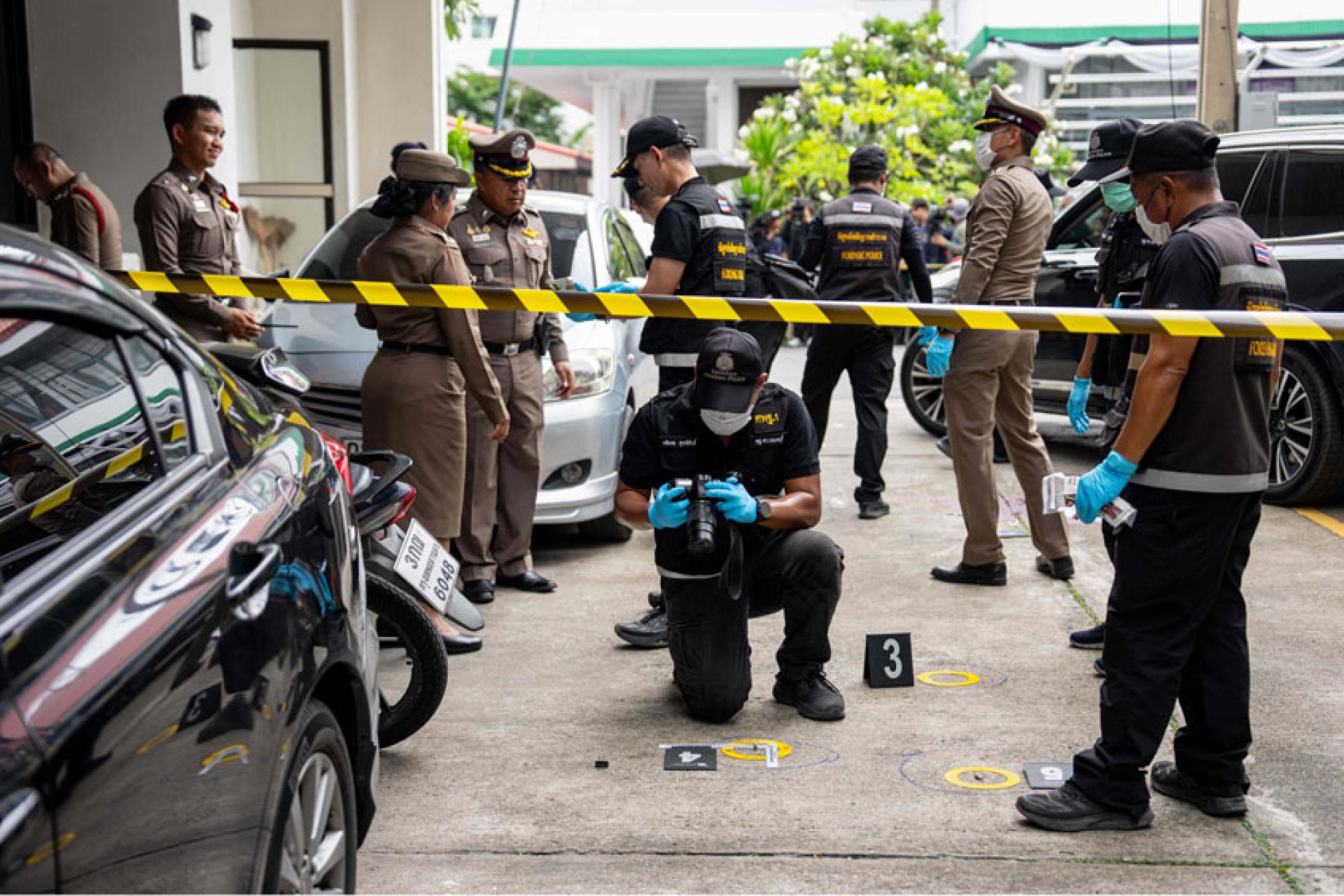
Thailand has recently experienced frequent campus shootings and attacks on local officials, making firearm regulation a focal issue. Local media have pointed out that the current gun control policy faces three major loopholes.
According to a report from Thailand's 'Krungthep Turakij' newspaper on the 14th, the primary problem is the proliferation of illegal and modified firearms. For example, there are increasingly more lethal guns being sold online after modification, which are difficult for authorities to trace.
The second issue is insufficient ongoing regulation of legally registered firearms. For example, after obtaining a license, permit holders are subject to inadequate supervision, leading to poor safe-keeping of firearms. This gives family members the opportunity to access firearms without authorization.
Third, civil servants or officials can purchase firearms at below-market prices through government welfare programs and legally transfer them to the general public after five years—deviating from the original intended purpose. These programs were originally meant for performing official duties and ensuring personal and property safety.
It is estimated that civilians in Thailand own about 10.34 million firearms.
'Krungthep Turakij' points out that there are approximately 4 million unregistered guns in Thailand. Because these illegal firearms are not entered into the official registration system, it is hard to trace their origins and transfer records. In recent years, growing attention has also been paid to blank-firing guns, some types of which can be converted to fire live ammunition.
In the October 2023 Siam Paragon shopping mall shooting in Bangkok, police identified that the teen gunman used a converted blank-firing gun in the crime.