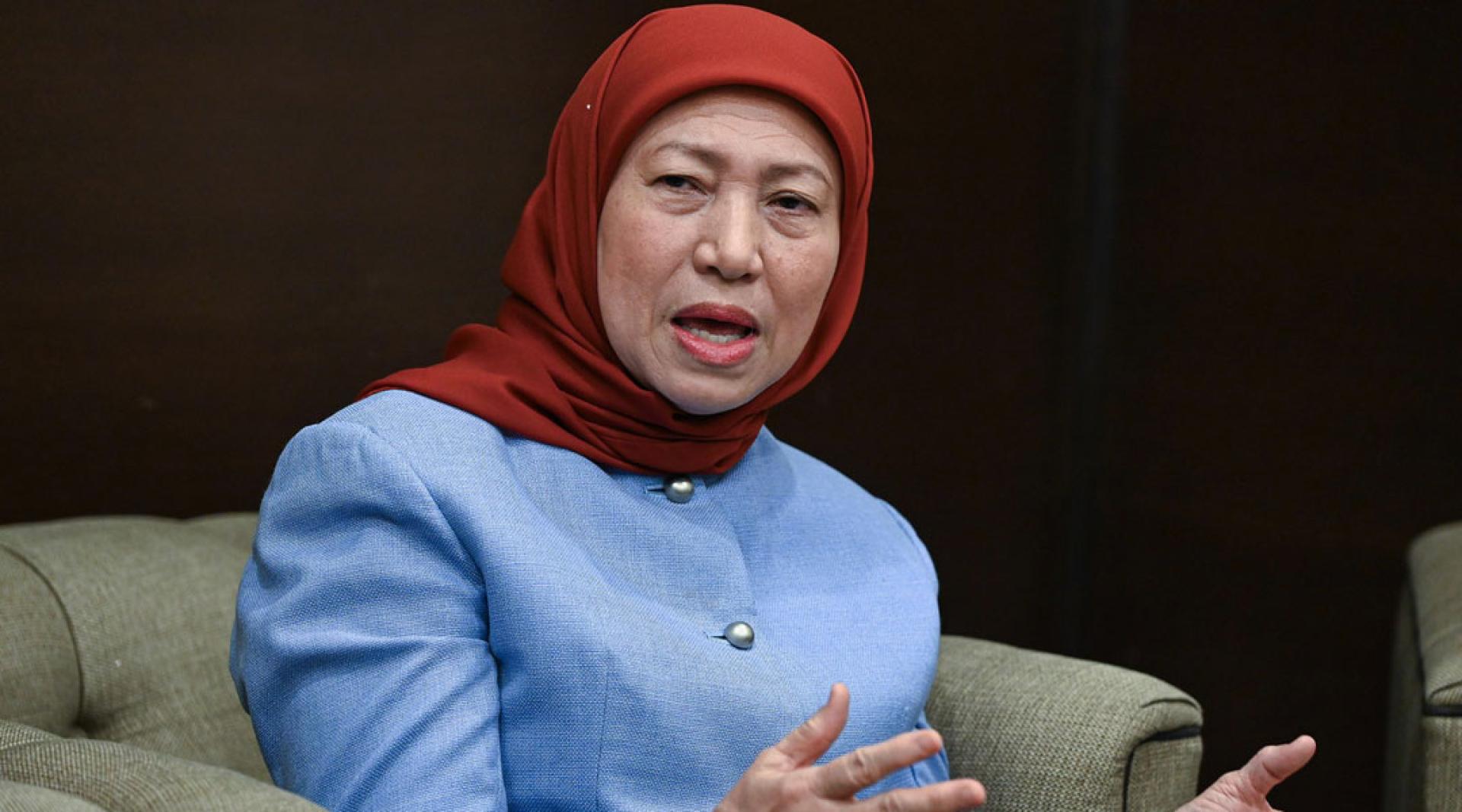
KUALA LUMPUR, May 23 (Bernama) – The government will roll out skills development programmes for girls in schools nationwide this year as part of efforts to strengthen economic empowerment among young women.
Women, Family and Community Development Minister Datuk Seri Nancy Shukri said the initiative aims to equip girls with practical skills before they finish school, enabling them to generate income and achieve financial independence in the future.
She said the programme is part of broader efforts to reduce social issues through women’s empowerment and to increase the number of financially independent women in the country.
“Before they become women, they are just girls. That is why we are going to schools to provide them with skills programmes.
“They can test their skills, and in the future, they can sell their products and generate income,” she told reporters after the Rotary District Conference 2026 in Bangsar here today.
Nancy said the programme would be implemented in collaboration with the district education offices (PPD) nationwide, particularly after major school examinations, subject to approval and coordination with schools.
“We have targeted schools for this initiative, but it depends on the ministries involved, as we need to work with the PPD in the respective areas.
“If approved, we can take students for two to three days after examinations to build their skills so they are not only strong academically, but also equipped with practical skills for their future,” she said.
She added that the ministry is actively seeking to expand collaboration with various non-governmental organisations (NGOs), including Rotary International, to address social issues and improve community welfare.
At the same time, Nancy said the ministry is exploring ways to expand volunteer participation, particularly in assisting welfare recipients who are homebound and require support, such as transportation to hospitals and basic daily needs.
“We have the Home Help Service, where volunteers receive a small allowance. They are dedicated individuals who help support those who are homebound, and we are strengthening this programme further,” she said.
In her speech earlier, Nancy said recent national records showed that Malaysia has nearly one million single mothers and single women heading households, many of whom shoulder the “double burden” of being both primary caregivers and sole breadwinners.
She said that despite the large numbers, only a fraction are formally registered within existing support systems, leaving many to struggle unsupported, including mothers caring for children with autism.
Nancy said the ministry complements these efforts through its KasihniTA programme, designed to empower single mothers through financial literacy, psychosocial support and legal skills.
“In 2025 alone, nearly 1,900 single mothers participated across six zones nationwide, and 90 legal aid cases were successfully handled to help women defend their rights,” she said.
Meanwhile, Nancy noted that the Social Welfare Department continues to record rising demand for psychosocial support, child protection interventions, elderly care and disability assistance.
She said the ministry currently supports over 839,535 registered persons with disabilities nationwide, with autism identified as one of the fastest-growing developmental conditions among children.
She said the programme is part of broader efforts to reduce social issues through women’s empowerment and to increase the number of financially independent women in the country.
“Before they become women, they are just girls. That is why we are going to schools to provide them with skills programmes.
“They can test their skills, and in the future, they can sell their products and generate income,” she told reporters after the Rotary District Conference 2026 in Bangsar here today.
Nancy said the programme would be implemented in collaboration with the district education offices (PPD) nationwide, particularly after major school examinations, subject to approval and coordination with schools.
“We have targeted schools for this initiative, but it depends on the ministries involved, as we need to work with the PPD in the respective areas.
“If approved, we can take students for two to three days after examinations to build their skills so they are not only strong academically, but also equipped with practical skills for their future,” she said.
She added that the ministry is actively seeking to expand collaboration with various non-governmental organisations (NGOs), including Rotary International, to address social issues and improve community welfare.
At the same time, Nancy said the ministry is exploring ways to expand volunteer participation, particularly in assisting welfare recipients who are homebound and require support, such as transportation to hospitals and basic daily needs.
“We have the Home Help Service, where volunteers receive a small allowance. They are dedicated individuals who help support those who are homebound, and we are strengthening this programme further,” she said.
In her speech earlier, Nancy said recent national records showed that Malaysia has nearly one million single mothers and single women heading households, many of whom shoulder the “double burden” of being both primary caregivers and sole breadwinners.
She said that despite the large numbers, only a fraction are formally registered within existing support systems, leaving many to struggle unsupported, including mothers caring for children with autism.
Nancy said the ministry complements these efforts through its KasihniTA programme, designed to empower single mothers through financial literacy, psychosocial support and legal skills.
“In 2025 alone, nearly 1,900 single mothers participated across six zones nationwide, and 90 legal aid cases were successfully handled to help women defend their rights,” she said.
Meanwhile, Nancy noted that the Social Welfare Department continues to record rising demand for psychosocial support, child protection interventions, elderly care and disability assistance.
She said the ministry currently supports over 839,535 registered persons with disabilities nationwide, with autism identified as one of the fastest-growing developmental conditions among children.