
KOTA PADAWAN: Sarawak is piloting a new approach to rabies control with the introduction of oral rabies vaccines (ORV) targeting free-roaming and hard-to-handle dogs, in an effort to improve overall vaccination coverage.
Department of Veterinary Services Sarawak (DVSS) deputy director Nicholas Jenek said currently in its trial phase, involves distributing vaccine-laced baits in public areas such as streets and markets, allowing dogs to consume them voluntarily instead of relying solely on conventional injectable methods.
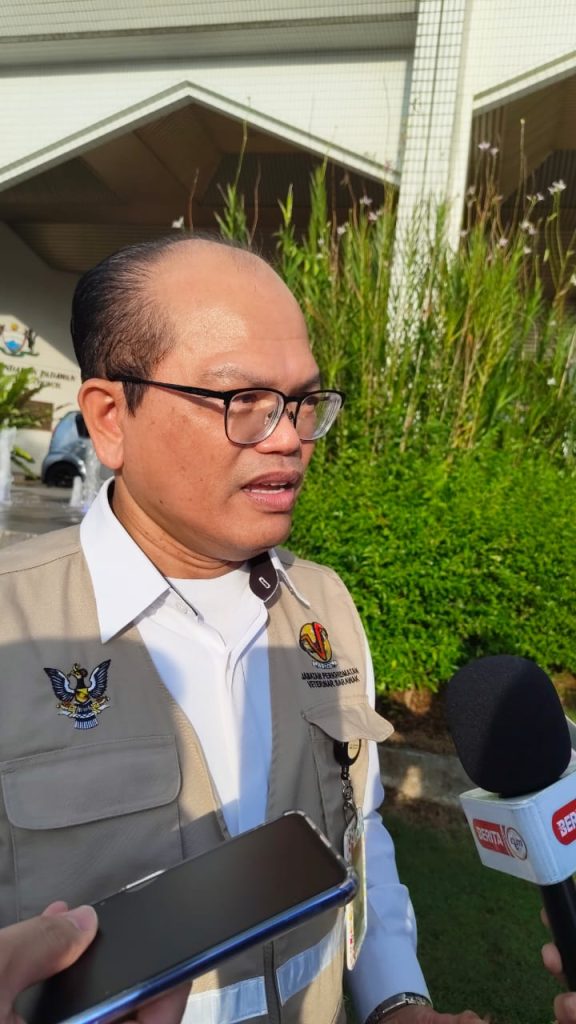
He said the method is particularly useful for dogs that cannot be easily restrained, including aggressive animals or those whose owners are unable to handle them.
“This is a new concept for us. The programme, which runs throughout the month, will utilise more than 5,000 vaccine baits stored under strict cold-chain conditions at the Sarawak Infectious Disease Centre (SIDC),” he told reporters after an ORV briefing and training programme held near the Padawan Municipal Council (MPP).
The vaccines are supplied by Ceva Santé Animale (Ceva), while SIDC is also exploring the possibility of acquiring the technology to produce such vaccines locally in the future.
Nicholas said the ORV programme is not intended to replace conventional vaccination but to complement existing efforts in achieving at least 70 per cent immunisation coverage to effectively control rabies transmission.
“Despite ongoing vaccination campaigns, response from the public has been inconsistent, with many pet owners failing to bring their animals for immunisation.
“We spend a lot of resources organising vaccination drives, but sometimes the turnout is very low.
“Only when there are deaths do people start to respond,” Nicholas added.
The ORV initiative is expected to address challenges posed by free-roaming dogs — animals that are owned but allowed to roam freely, which are often difficult to vaccinate through conventional means.
At the same time, DVSS reiterated that stray dogs that pose a nuisance or attract public complaints may still be subject to removal.
Beyond vaccination, the public is urged to take greater responsibility for their pets, including ensuring regular vaccination and neutering to prevent uncontrolled breeding.
“Pets are a responsibility. They do not choose their owners — we choose them.
“Proper care, including vaccination and neutering, is essential to prevent larger public health issues,” he added.
The outcome of the pilot programme will be evaluated to determine the effectiveness of the oral vaccination method before any wider implementation.