The Inheritance of Traditional Chinese Medicine Culture is Enduring and Far-reaching Xue Huadong: Blossoming Globally
Published atMar 02, 2026 10:44 am
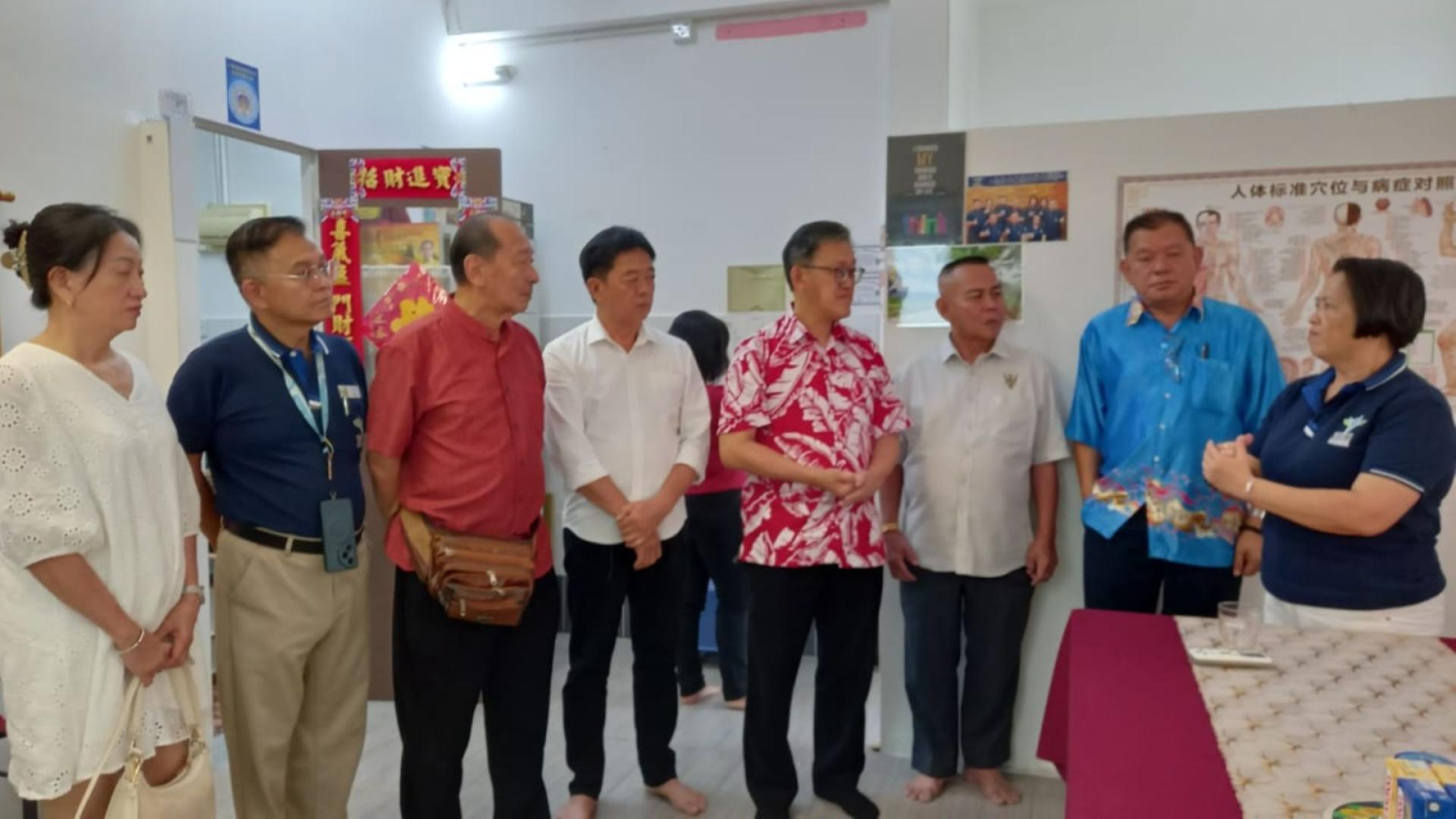
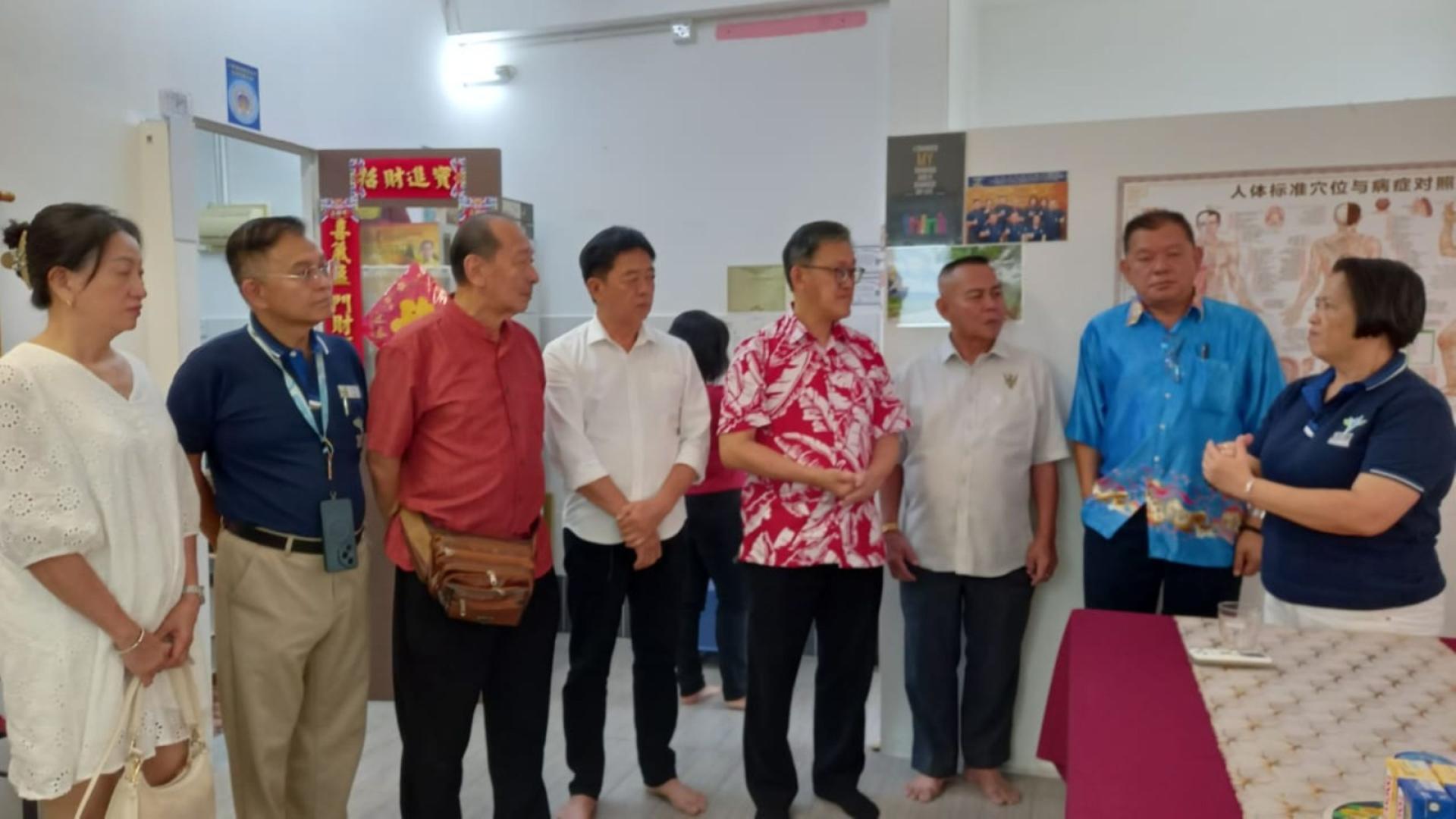
(Kuching, 2nd) North City Administrative Committee Member Xue Huadong emphasized that the inheritance of traditional Chinese medicine (TCM) culture has a long history and is blossoming around the world. He also advocated the integration of traditional Chinese and Western medicine to benefit humanity. According to him, the Sarawak Chinese Medicine Hospital in Kuching established a TCM acupuncture department more than ten years ago, providing services for people in need of TCM treatments and earning an excellent reputation. He indicated that the earliest extant TCM classic, the Huangdi Neijing, recorded medical theories more than two thousand years ago. TCM culture has used this as a basis, with sages throughout successive dynasties advancing and documenting their achievements for posterity, allowing people across the vast Eastern lands to receive effective traditional medical care. Xue Huadong, addressing the crowd as the guest of honor at the Zhengkang Loving Heart TCM team's Members’ Chinese New Year Gathering and Spring Festival TCM Forum today, praised the organizers for uniting members and promoting TCM scholarship. He said that, with the Ministry of Health implementing the Traditional and Complementary Medicine Act in recent years, which regulates TCM along with other traditional medicines, TCM in Malaysia is moving towards a more professional standard and the confidence of the public in traditional and complementary healthcare is increasing. However, he believes that Sarawak is seeking medical autonomy from the federal government under the Malaysia Agreement 1963 (MA63) to provide better medical conditions for the people of Sarawak. The people of Sarawak should steadfastly support the Sarawak government. Xue Huadong pointed out that, once the Sarawak government regains medical autonomy from the federal government, it will further improve medical facilities in Sarawak, including the regulation of TCM and other traditional medicines unique to Sarawak. The return of such autonomy will allow healthcare policies to be more attuned to local needs. He also expressed his gratification at seeing various TCM groups in Sarawak frequently organizing free TCM clinics, particularly those offering free consultations and medicine to give back to the community—an act well worth encouraging for its social value. Xue Huadong also praised the Zhengkang Loving Heart TCM team led by Zhong Qimei, who regularly provides free TCM consultations and medicine in Sarawak communities, extending their compassion to benefit those in need. He stressed that health is the most valuable asset in life, the “greatest wealth.” TCM culture stresses the importance of prevention—“treating illnesses before they arise.” Besides this, the public should have regular health check-ups and pay attention to wellness, for only with a healthy body can one pursue other life aspirations. He also wished everyone success in their endeavors. In addition, Zhengkang Loving Heart TCM team leader Zhong Qimei said during the forum that, according to TCM academic theory, the human body contains a “great pharmacy” within. When certain conditions arise, one can stimulate the appropriate acupuncture points through acupuncture or massage to relieve symptoms. She emphasized that this knowledge of TCM meridians deserves to be promoted, and her team has consistently applied it. They strive for people, after learning, to be able to “heal and save themselves,” and also maintain wellness to “prevent illness before it emerges”! She said that the team, while celebrating the Chinese New Year Gathering, has also planned this year’s TCM charity events of free consultations and medicine. Zhong Qimei highly praised guest of honor Xue Huadong, who is known for his diligent service to the people and for supporting the Zhengkang Loving Heart TCM team in its community TCM charity work. She revealed that she is the fifth generation in Sarawak; her ancestors migrated to Sarawak from southern China in the 1940s, took root, and became some of Sarawak’s earliest immigrants. She said that in mentioning this ancestry, she wishes to highlight the efficacy of Borneo’s herbal medicines. In earlier times, people in Sarawak relied on local herbs, knowing which were effective for specific health conditions and for wellness. Such traditional therapies deserve attention. Zhong Qimei admitted that she often ventures deep into the mountains and forests to look for wild Borneo herbs used as medicine. She fervently hopes that the relevant authorities will conduct further scientific research into these various Borneo herbs and promote them to the world! At the TCM exchange forum, Zhengkang Loving Heart TCM team adviser Liu Youhong expressed doubts over the Ministry of Health’s practice of regulating complementary and traditional medicine, including TCM, under the Western (biomedical) medical framework. He stressed that the Sarawak government should strive to regain medical autonomy from the federal government as soon as possible and, once successful, set up an official TCM committee in Sarawak, so that TCM can be managed by TCM practitioners themselves—something he firmly believes would be more beneficial for the development of TCM in Sarawak. Zhengkang Loving Heart TCM team holds a Members’ Chinese New Year Gathering. Seated in the front row from left: Tian Mingdong, Liu Youhong, Xu Yihua, guest of honor Xue Huadong, team leader Zhong Qimei, Kapitan Lin Chuanzheng, Sun Shousheng, and others.
This article has been translated using our AI technology. While we strive for accuracy,
AI translations
may contain errors. For the most precise information, please refer to the original article.