Hanoi Designs Centennial Blueprint to Build Asia-Pacific Innovation Capital
Published atMay 14, 2026 06:08 pm
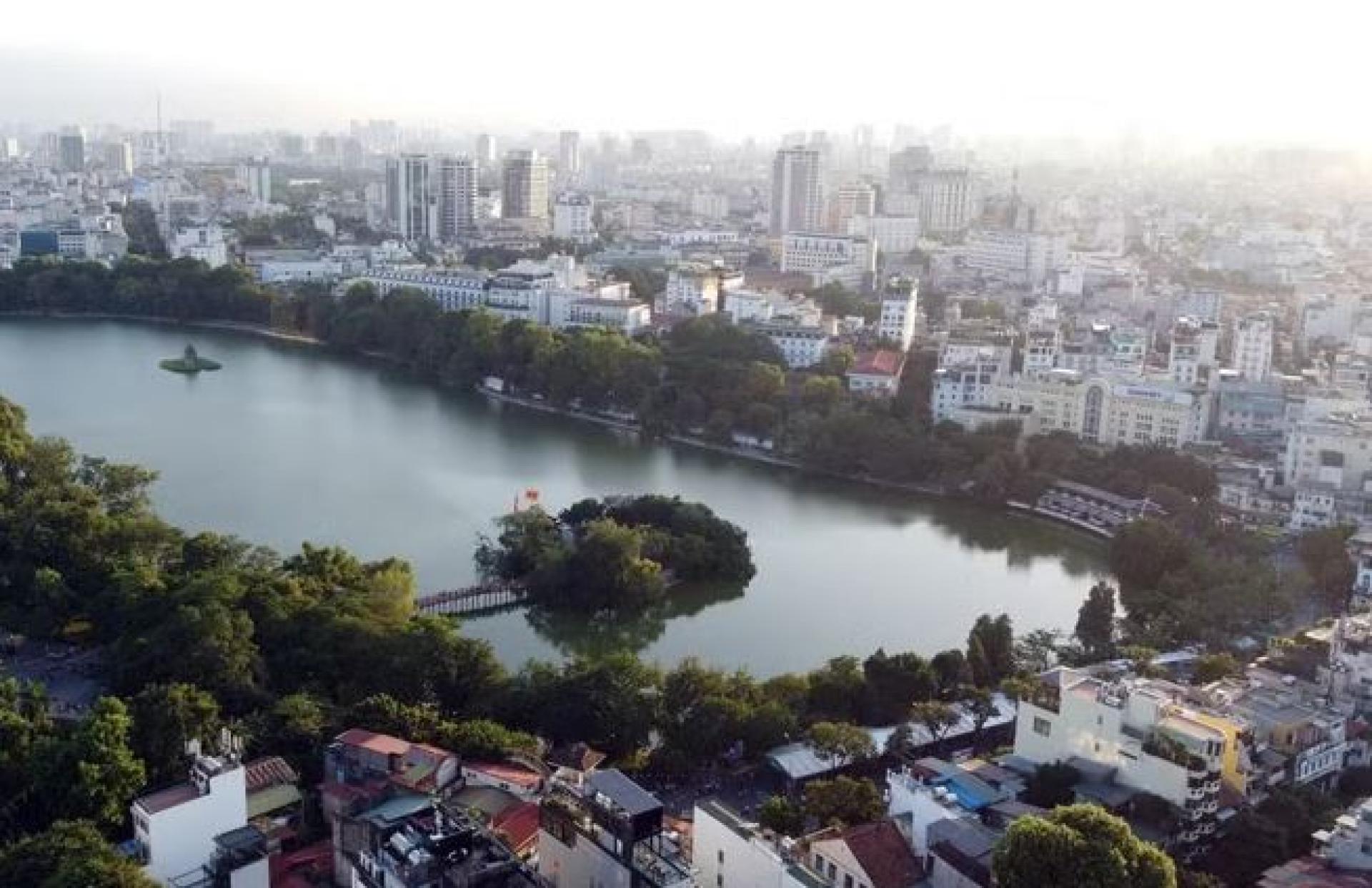
The Hanoi People's Committee has officially approved the "Capital Centennial Vision Master Plan," proposing to build Hanoi into a "civilized, modern, happy" metropolis, and establish it as an innovation center of the Asia-Pacific region and a globally competitive world city.
According to Decision No. 2512/QĐ-UBND signed on May 13, 2026, by Hanoi People's Committee Chairman Vu Dai Thang, the planning scope covers all administrative areas of Hanoi, including 126 township-level administrative units, that is, 51 wards and 75 communes.
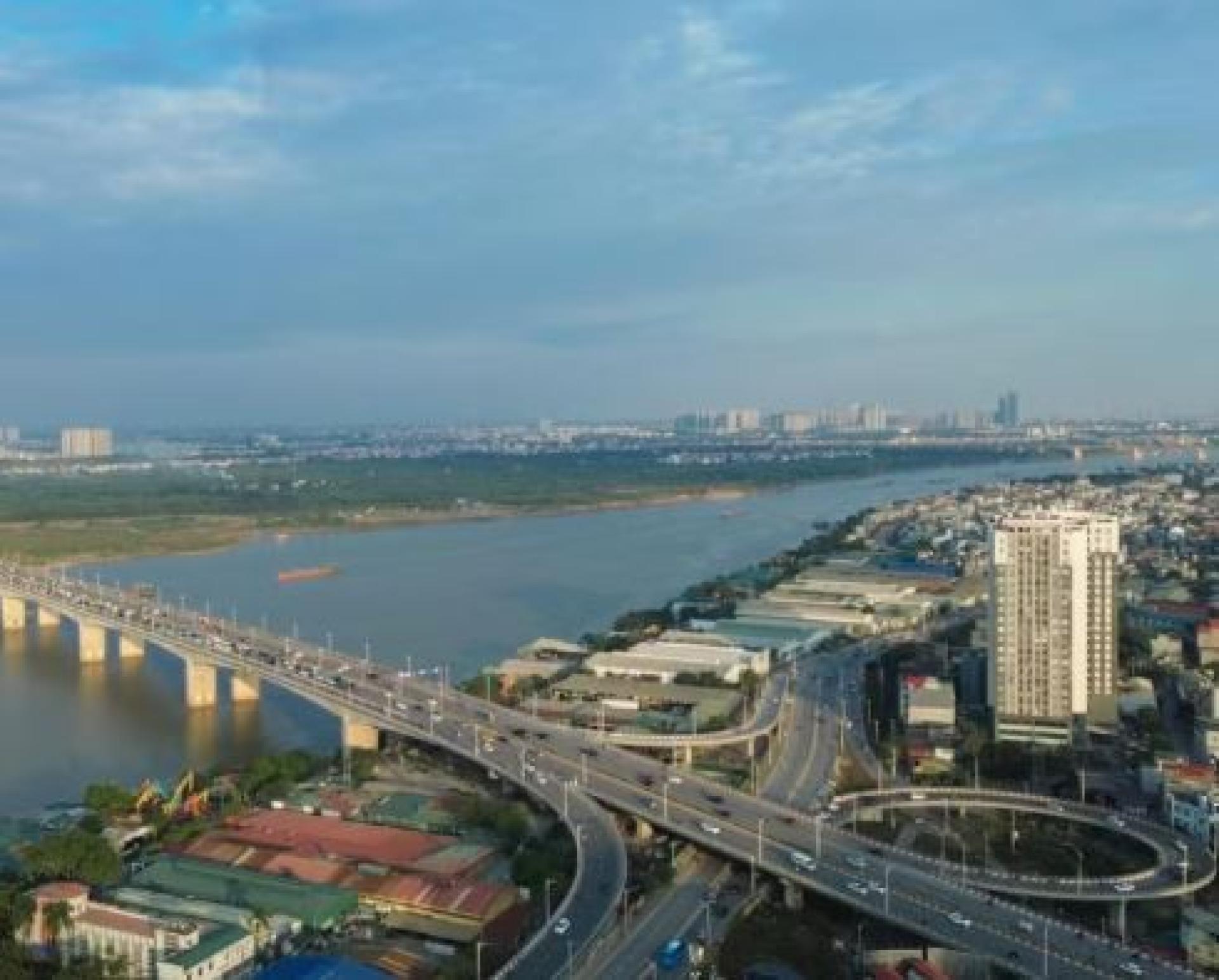
The plan proposes that Hanoi will develop with a "multi-layered, multi-level, multi-core, multi-center" structural model, using the Red River as the main ecological and cultural axis, promoting the city towards a "compact, green" direction, while strengthening digital transformation, green transformation, circular economy, and climate adaptation capabilities.
In terms of population, Hanoi is expected to reach 14 to 15 million people by 2035, 15 to 16 million by 2045, and 17 to 19 million by 2065, with the long-term population scale controlled within 20 million. At that time, urban construction land is expected to occupy 55% to 60% of the total natural area, with the remainder reserved as green corridors, forests, and ecological spaces.
The plan also stipulates that by 2035, Hanoi will have developed into a green, smart, and modern city, and become a regional financial, trade, and innovation services center. The goal is for regional gross domestic product (GRDP) to reach about USD 200 billion, and per capita GRDP to exceed USD 18,800.
By 2045, Hanoi will strive to become a leading innovation center in the Asia-Pacific; by 2065, it will march towards becoming a global city ranking among the top in the world in terms of quality of life and happiness.
The cultural and tourism industries are also positioned as key economic sectors. Hanoi plans for the contribution rate of the cultural industry to GRDP to reach about 10% by 2035, increase to 12% by 2045, and further rise to 15% to 20% by 2065. At the same time, the authorities will build the "Creative City" brand, promote the cultural values of Thang Long–Hanoi, and strengthen national soft power.
In terms of transportation and infrastructure, Hanoi plans to basically solve long-term traffic congestion problems by 2030, and vigorously develop riverfront transportation, cross-river bridges, and urban rail systems to expand city development space and relieve pressure on the city center. Meanwhile, Hanoi will also promote underground space development, and integrate public transport-oriented development (TOD) models.
In the area of environment, the plan emphasizes the "revival of rivers" mission, gradually tackling the pollution of multiple rivers, and researching dam construction to strengthen comprehensive watershed management.
In addition, the plan positions Hoa Lac Hi-tech Park as the capital's core for R&D and innovation, and promotes the construction of a digital government, using data and artificial intelligence to build a smart city governance model.
According to the long-term vision after 2085, Hanoi hopes to develop into a "model sustainable super metropolis," and become a global city network hub with significant influence in trade, knowledge, and innovation.
The plan outlines a structural development model for the capital based on 'multi-layered, multi-level, multi-core, multi-center'.
This article has been translated using our AI technology. While we strive for accuracy,
AI translations
may contain errors. For the most precise information, please refer to the original article.