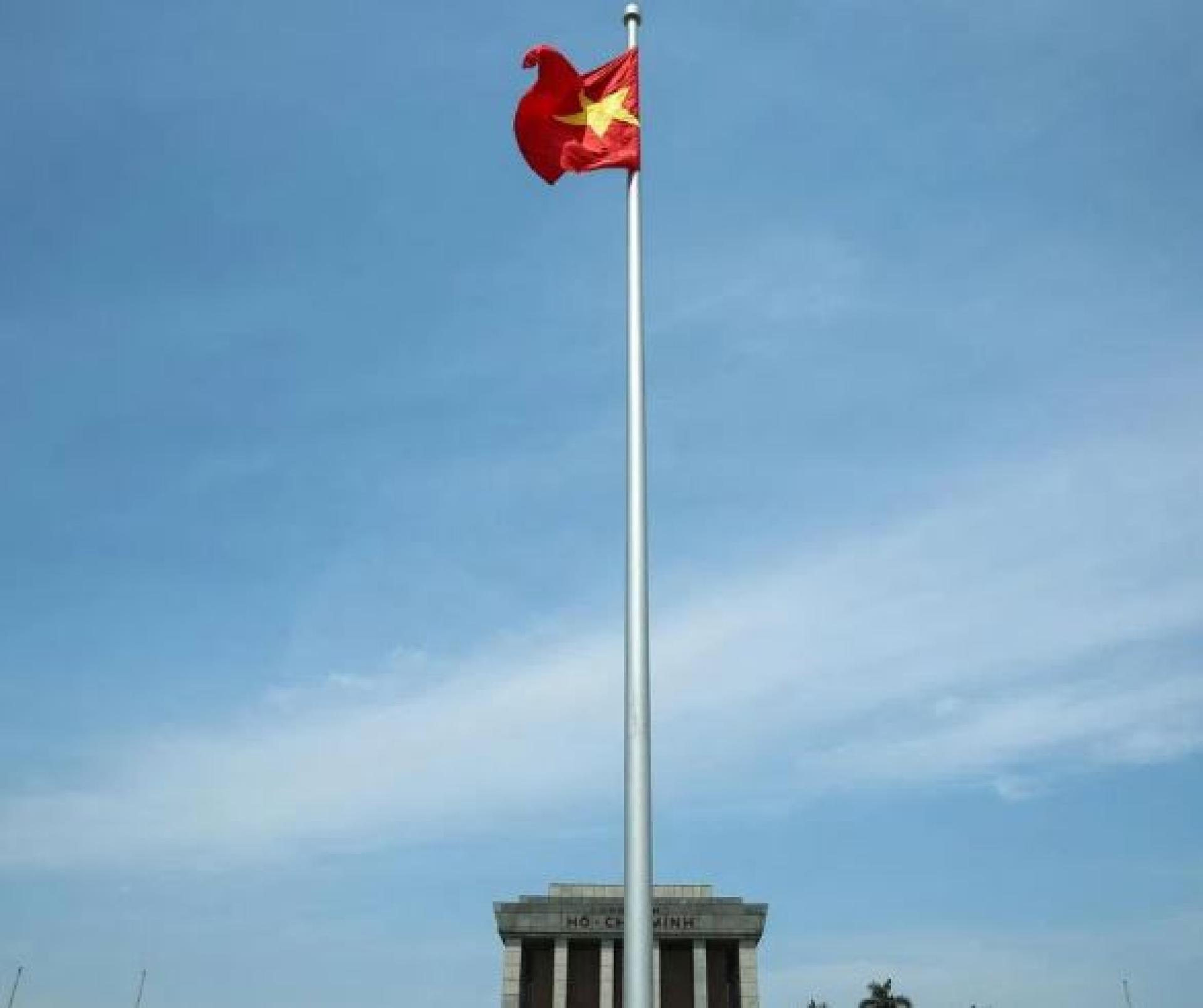
Despite facing high tariff pressure from the United States, Vietnam's economy remained strong last year, driven by growth in the service sector, construction, and exports, with full-year GDP growth reaching about 8.02%, surpassing the previous year. Meanwhile, the Philippine economy has slowed significantly due to corruption scandals.
The General Statistics Office of Vietnam released data on Monday showing that Vietnam's GDP growth last year reached around 8%, higher than the year before, with fourth-quarter year-on-year growth of 8.46%, the fastest quarterly increase since 2011, reflecting the economy's resilience. The data shows that manufacturing was the main growth driver, with a manufacturing increase of over 10% in the fourth quarter.
In terms of trade, Vietnam's total exports last year reached about US$475 billion (about S$611.3 billion), an increase of 17% year-on-year; imports were about US$455 billion, up 19% compared to 2024, indicating active trade activity. Bloomberg analysis pointed out that Vietnam benefited from proactive credit policies, government support, tourism recovery, and a weakened Vietnamese dong, effectively buffering the impact of the approximately 20% US tariffs, allowing it to maintain a globally leading growth position.
However, Vietnam's economy also faces risks. The Vietnamese central bank pointed out last week that loan growth last year reached 17.9%, higher than the 14% growth in deposits, leading to tight liquidity in the banking system. Regulators have taken measures, including conducting US dollar swap transactions to boost cash supply in banks.
In contrast, the Philippines' economic growth rate slowed due to domestic corruption storms. The Philippines is expected to record a GDP growth of about 4.8% to 5.0% last year, below the previous target of 5.5% to 6.5%. The government believes that a large-scale anti-flood project corruption scandal has hit economic confidence and investment activities, and its impact may extend into the first half of this year.
Against this backdrop, President Marcos Jr. signed the 2026 fiscal budget, totaling 6.79 trillion pesos (about S$148.6 billion). In response to public concerns over corruption, the government has adjusted the budgets of departments involved in corruption, including slashing the Department of Public Works and Highways budget from the originally planned 881 billion pesos to 530 billion pesos.
Although the overall budget spending increased by about 7.4% compared to the previous year, Marcos Jr. significantly cut nearly US$1.6 billion in "unprogrammed appropriations," hitting the lowest level since 2019, to prevent such broad allocations from being misused and fueling corruption. The president declared: "We will never allow unprogrammed appropriations to be abused for backdoor expenditures." He pledged to control spending and ensure the responsible use of taxpayers' money, addressing public concerns over budget transparency and legitimacy.
The contrasting scenarios of Vietnam and the Philippines reflect how the different policies and governance approaches of major Southeast Asian economies have resulted in differing economic performances amid global adversity.
In terms of trade, Vietnam's total exports last year reached about US$475 billion (about S$611.3 billion), an increase of 17% year-on-year; imports were about US$455 billion, up 19% compared to 2024, indicating active trade activity. Bloomberg analysis pointed out that Vietnam benefited from proactive credit policies, government support, tourism recovery, and a weakened Vietnamese dong, effectively buffering the impact of the approximately 20% US tariffs, allowing it to maintain a globally leading growth position.
However, Vietnam's economy also faces risks. The Vietnamese central bank pointed out last week that loan growth last year reached 17.9%, higher than the 14% growth in deposits, leading to tight liquidity in the banking system. Regulators have taken measures, including conducting US dollar swap transactions to boost cash supply in banks.
In contrast, the Philippines' economic growth rate slowed due to domestic corruption storms. The Philippines is expected to record a GDP growth of about 4.8% to 5.0% last year, below the previous target of 5.5% to 6.5%. The government believes that a large-scale anti-flood project corruption scandal has hit economic confidence and investment activities, and its impact may extend into the first half of this year.
Against this backdrop, President Marcos Jr. signed the 2026 fiscal budget, totaling 6.79 trillion pesos (about S$148.6 billion). In response to public concerns over corruption, the government has adjusted the budgets of departments involved in corruption, including slashing the Department of Public Works and Highways budget from the originally planned 881 billion pesos to 530 billion pesos.
Although the overall budget spending increased by about 7.4% compared to the previous year, Marcos Jr. significantly cut nearly US$1.6 billion in "unprogrammed appropriations," hitting the lowest level since 2019, to prevent such broad allocations from being misused and fueling corruption. The president declared: "We will never allow unprogrammed appropriations to be abused for backdoor expenditures." He pledged to control spending and ensure the responsible use of taxpayers' money, addressing public concerns over budget transparency and legitimacy.
The contrasting scenarios of Vietnam and the Philippines reflect how the different policies and governance approaches of major Southeast Asian economies have resulted in differing economic performances amid global adversity.