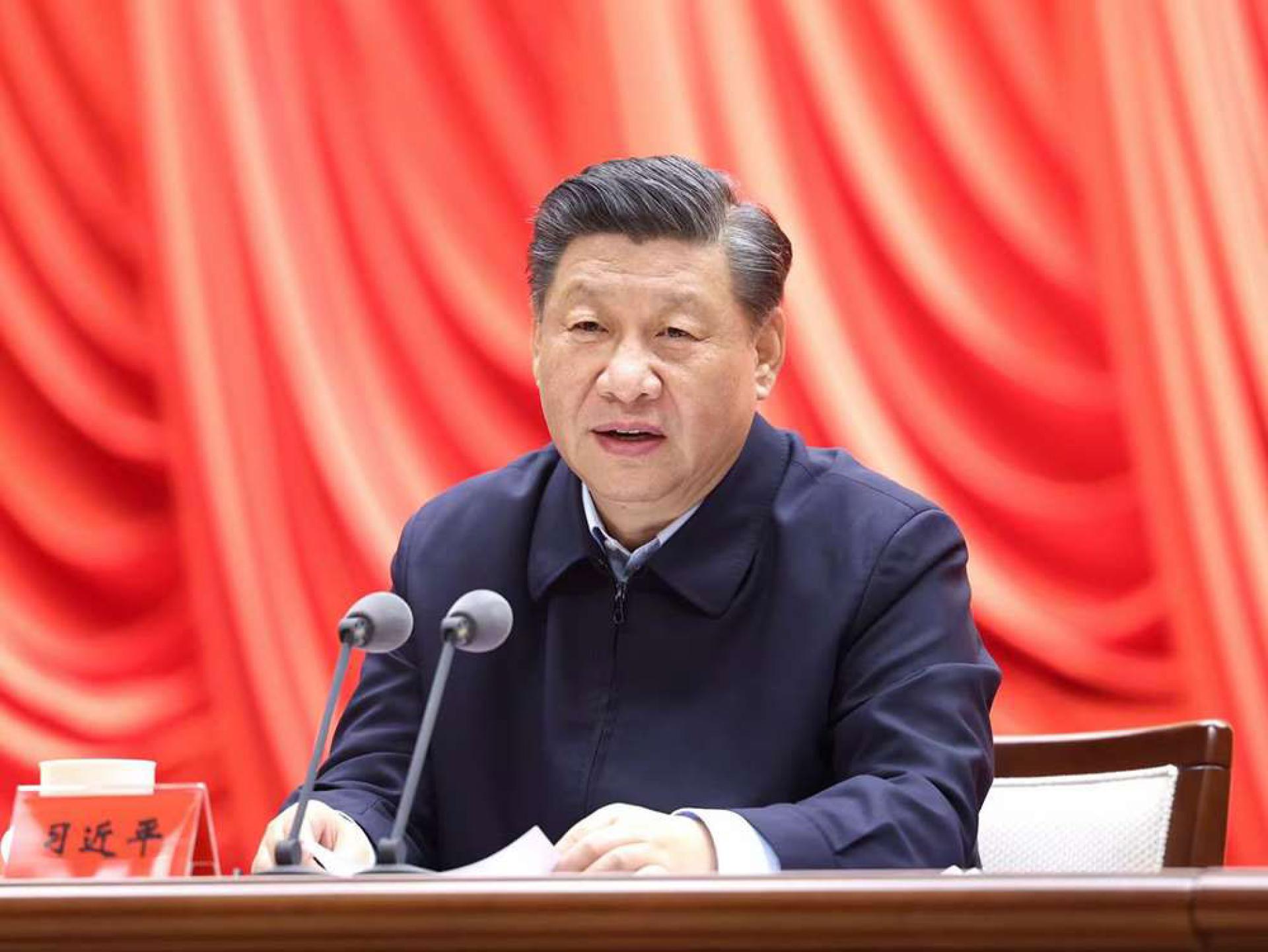
According to a report by The Wall Street Journal, in addition to cracking down on corruption and a (lack of loyalty to Xi Jinping), Beijing has recently focused on rectifying “blindly reckless” officials. As the economy slows and debt rises, Chinese leader Xi Jinping is moving to rein in officials who attempt to burnish their political records through superficial projects and hasty decisions.
The report cites the example of Jiang Duntao, noting that after his rapid promotion to Party Secretary of Zibo City, Shandong Province, in 2019, he acted resolutely, pushing the local economy to transition from heavy industry to high-end manufacturing and services, while also raising money through debt and attracting private investment for these projects.
During Jiang Duntao’s administration, Zibo’s economy grew strongly, and the city later became a super-popular tourist destination in China. At the time, state media praised Jiang’s pro-business policies as bold and enterprising, and he was quickly promoted.
But within just a few years, Jiang Duntao’s political career came to an abrupt end. The Communist Party of China criticized him for saddling Zibo with a heavy debt burden. In April this year, the Central Commission for Discipline Inspection announced Jiang Duntao’s expulsion from the Party and the removal of his posts, stating he was “impatient for quick results and acted blindly recklessly.”
In the boom years of China’s rapid economic growth, such projects would have earned praise. But this February, Xi Jinping stated that such practices “exhaust the people and waste resources.” This shift in direction has also increased anxiety and confusion within China's officialdom.
Some analysts say the central government’s setting of looser economic goals and more ambiguous requirements—such as realizing “high-quality development”—has actually exacerbated these issues, leaving officials more uncertain about how to implement Xi Jinping’s policies.
With capricious moods and constantly changing orders among the top ranks, some local officials in China have responded by delaying decisions and waiting for clearer instructions from higher-ups. Other officials focus on traditional economic indicators, pursuing high-profile investment projects and “vanity projects” in an attempt to win merit with their superiors.
Official data shows that in 2025, relevant departments of the Communist Party of China punished nearly 160,000 people for disciplinary violations such as inaction, recklessness, or falsification—an increase of 16% over the total number in 2024.
It is noted that CCP officials are attempting to explain Xi Jinping’s instructions through a new ideological education campaign, which includes organizing seminars, field studies, and inspections, emphasizing that party members must work to improve people’s livelihoods rather than just safeguarding their own careers.
In addition, Beijing has sent so-called “central guidance groups”—typically led by retired senior officials—to some provincial governments, state agencies, enterprises, and universities to explain Xi Jinping’s philosophy on how to be a responsible official.