Thailand Discovers Largest Dinosaur in Southeast Asia: Cretaceous Giant Reaches 27 Meters
Published atMay 15, 2026 11:29 am
Scientists have discovered the largest known dinosaur in Southeast Asia in Thailand—the 'Nagatitan chaiyaphumensis' fossil—providing important clues for studying sauropod dinosaur evolution and ancient environments.
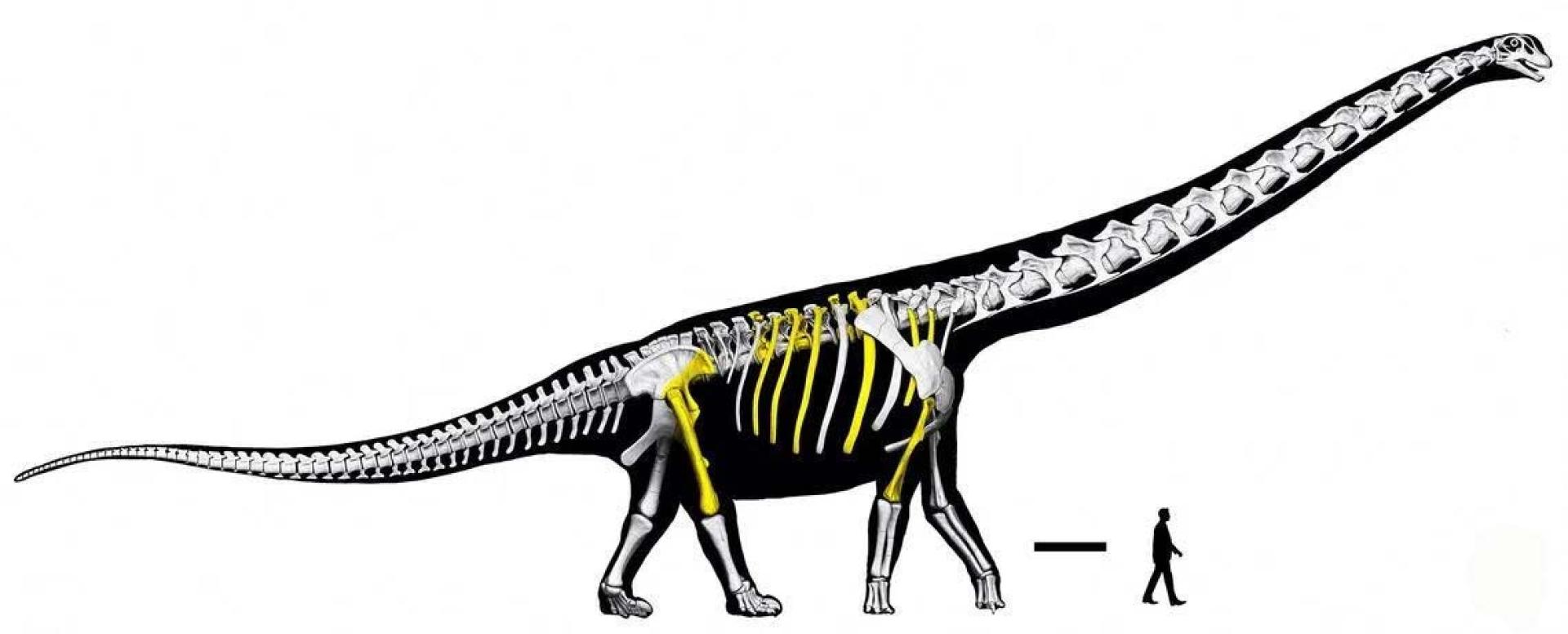
This plant-eating giant, which lived about 113 million years ago during the Cretaceous period, reached nearly 27 meters in length and an estimated weight of 25 to 28 tons. It belonged to the sauropod family, distinguished by their long necks, long tails, small heads, and pillar-like limbs.
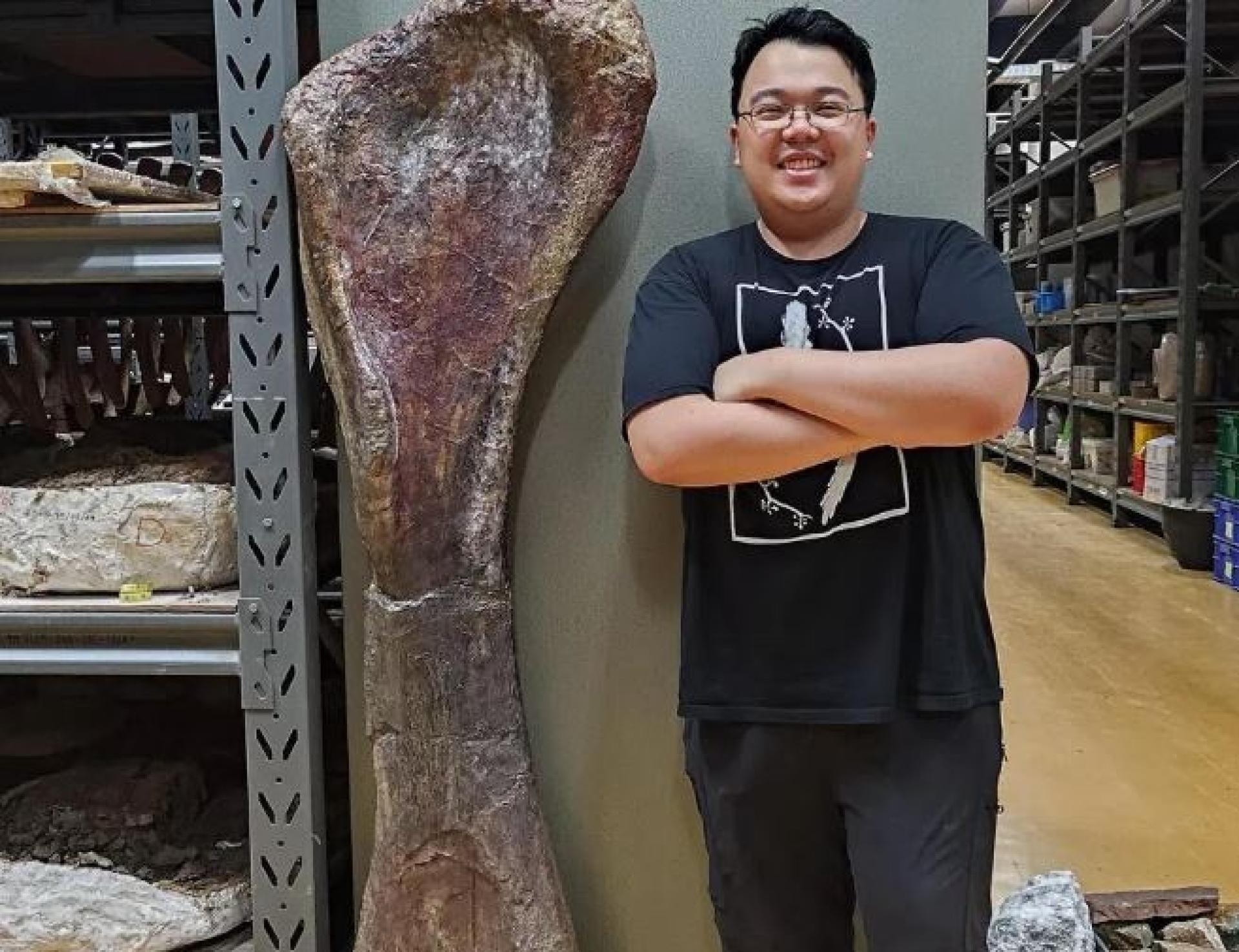
According to reports, the dinosaur fossil was first found by a villager in Chaiyaphum province, northeastern Thailand. After years of excavation, researchers unearthed vertebrae, ribs, pelvis, and leg bones, including a humerus that is as long as 1.78 meters.
The research team estimated its gigantic size based on the humerus and femur dimensions. Although the skull and tooth fossils have yet to be found, researchers believe it mainly fed on plants like conifers and ferns.
The findings were published in the journal Scientific Reports on the 14th of this month.
Titiwat Sattaphanit Sakul, a paleontology PhD student at University College London and the study's lead author, stated that Nagatitan chaiyaphumensis was likely an herbivore that depended on consuming large quantities of plants.
The research pointed out that the climate in Thailand at the time was subtropical, featuring forests, savannahs, and shrublands. Besides sauropod dinosaurs, pterosaurs, crocodiles, fish, and even freshwater sharks also inhabited the region.
Scientists believe this discovery helps further understand the evolution of sauropod dinosaurs under climate change, as well as the relationship between their enormous size and environment.
In 2024, lead author Titiwat Sattaphanit Sakul takes a photo with the humerus fossil of the Cretaceous sauropod Nagatitan chaiyaphumensis at Sirindhorn Museum in Kalasin province, Thailand.
This article has been translated using our AI technology. While we strive for accuracy,
AI translations
may contain errors. For the most precise information, please refer to the original article.