After China and the United States held economic and trade consultations, China’s Ministry of Commerce disclosed that both parties have agreed in principle to discuss a framework arrangement for reciprocal tariff reduction on products of equal value under the Trade Council, with each side covering a scale of $30 billion (approximately 119.3 billion ringgit) or more.
US President Trump will pay a state visit to China from May 13 to 15, and will meet with Chinese President Xi Jinping. Meanwhile, the China-US economic and trade teams held consultations in South Korea from May 12 to 13 to prepare for the leaders' summit in the economic and trade sector.
The Chinese Ministry of Commerce issued a statement on its official website on Wednesday, saying that both sides conducted intensive consultations on the specific content of the outcomes and achieved positive consensus, covering issues such as US-China tariffs, expansion of agricultural products, export controls on rare earths, aircraft trade, US beef, and other topics.
The Chinese Ministry of Commerce also called on the US to honor its commitments, stating that, regardless of any future reasons for imposing or replacing tariffs on China, the level of US tariffs on China should not exceed the level set in the Kuala Lumpur Economic and Trade Consultation Joint Arrangement, and that through subsequent consultations, further unilateral tariffs on China should be removed to create favorable conditions for both sides to expand economic and trade cooperation.
In the field of agricultural products, a guiding target has been set for expanding two-way agricultural trade, and it was decided to resume the registration of relevant US beef companies in China.
As for the rare earth issue, the statement stressed that the US and China have fully communicated, and the Chinese government, in accordance with laws and regulations, implements export controls on key minerals such as rare earths, and will review applications for permits that are compliant and for civilian use.
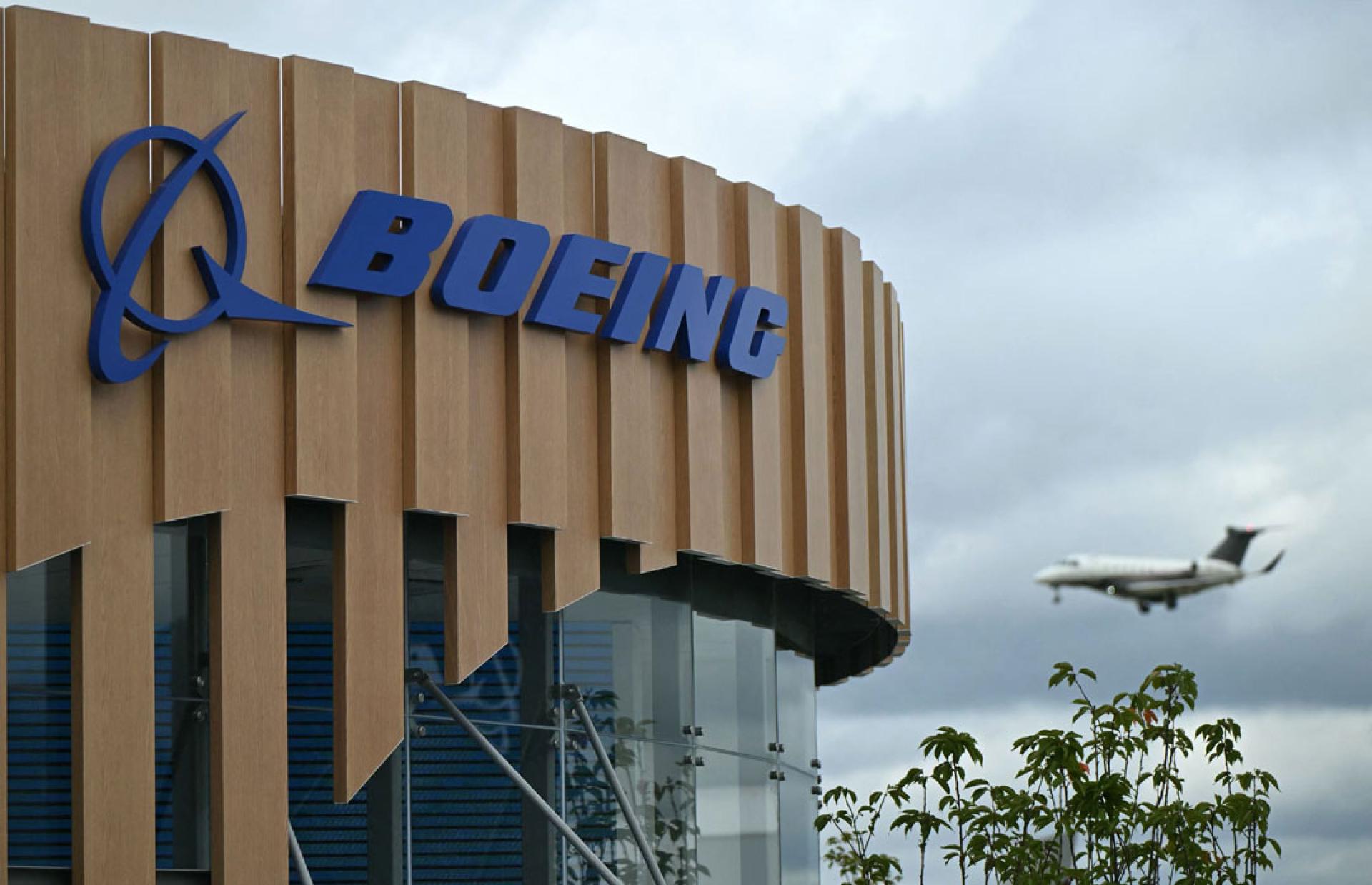
In the aviation sector, the Ministry of Commerce said it would introduce 200 Boeing aircraft in accordance with commercial principles, and noted that the US would provide China with adequate supplies of engines and parts.