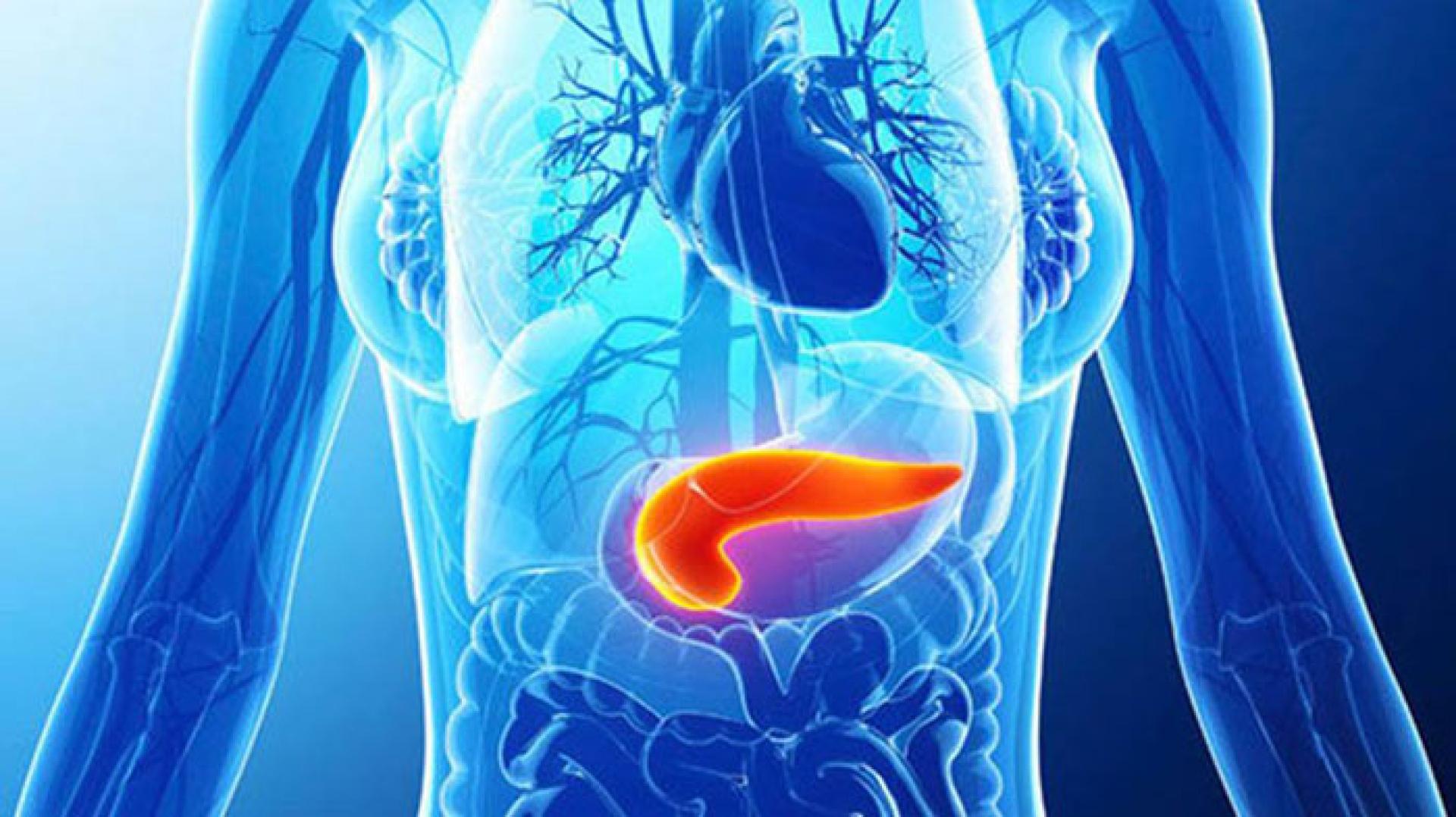
A Malaysian doctor leading a clinical trial in Chicago has achieved a major breakthrough: a new drug has doubled the one-year survival rate for patients with advanced pancreatic cancer, offering fresh hope in the fight against one of the deadliest cancers.
Dr. Devarin Gan, the Northwestern University doctor leading the study, said this therapy significantly improves the outlook for patients with advanced pancreatic cancer, a disease where most patients survive less than a year after diagnosis.
This phase II clinical trial found that patients receiving elraglusib combined with standard chemotherapy had a one-year survival rate that was twice as high as those receiving chemotherapy alone, while also reducing the risk of death by 38%.
The findings, published in the journal Nature Medicine, represent one of a handful of major advances in recent years and confirm that this therapy can significantly extend the survival of a broad range of pancreatic cancer patients.
Dr. Gan said, “Pancreatic cancer remains one of the hardest-to-treat solid tumors, but these findings bring cautious optimism.”
Dr. Gan’s team is now conducting a larger phase III clinical trial to validate these findings, raising hopes that this therapy may ultimately benefit patients worldwide.
This trial recruited 233 patients across 60 research centers in North America and Europe, mainly focusing on patients with metastatic pancreatic cancer. The median survival for those treated with elraglusib was 10.1 months, compared to 7.2 months for those receiving chemotherapy alone.
Notably, 44% of patients in the treatment group were still alive one year later, compared to only 22% in the control group; furthermore, about 13% of patients had a survival of up to two years, a milestone not achieved by those on chemotherapy alone.
Researchers indicated that the drug works differently from traditional therapies—it targets the tumor microenvironment and reactivates the body’s immune response against cancer cells.
Although there have been reports of side effects such as fatigue and reduced white blood cell count, the study found the drug to have good safety.
Currently, pancreatic cancer is the third leading cause of cancer-related deaths in the United States and remains one of the most difficult cancers to treat.