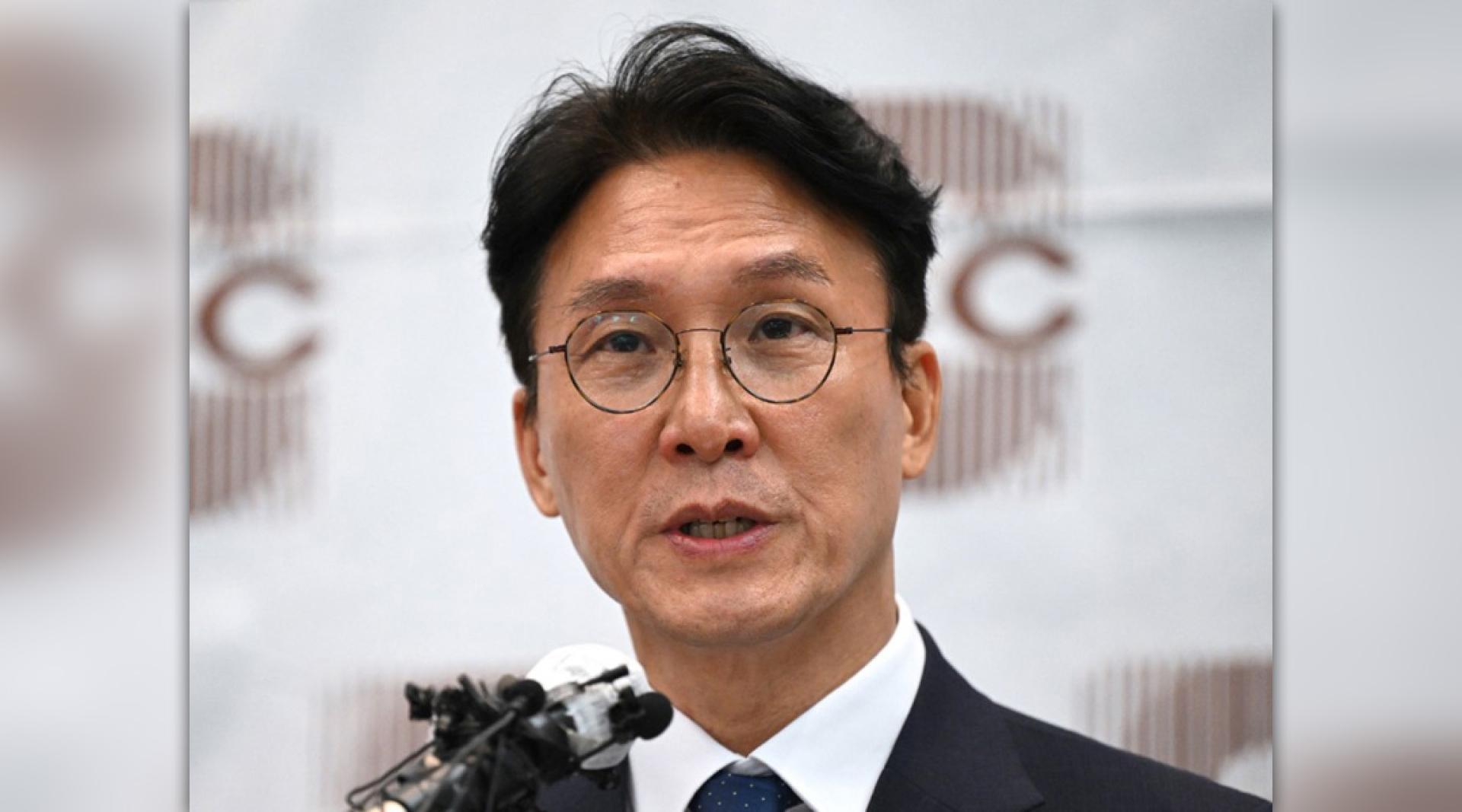
In order to respond to the potential impact of Middle East tensions on the domestic economy, South Korean Prime Minister Kim Min-seok has temporarily canceled his scheduled visit to China and attendance at the Boao Forum for Asia. The Prime Minister’s Office announced this news on the 23rd, calling the move a rare gesture reflecting the South Korean government’s deep concern over the prolonged effects of the situation in the Middle East.
The Prime Minister’s Office stated that recent military conflicts in the Middle East have aggravated compounded external risks, and these effects are beginning to impact South Korea’s national economy and people’s livelihoods. The government urgently needs to establish a response mechanism and will announce related measures within the day.
The statement pointed out that, after weighing the current situation, the government has decided to cancel the Prime Minister’s trip to China, considering that in the current crisis, the Prime Minister needs to be personally responsible for economic emergency decision-making and deployments. The South Korean side has already communicated with the Chinese side through diplomatic channels in advance, fully explaining the situation and requesting understanding.
A Cross-Departmental Task Force to Be Established
According to reports, the South Korean government plans to soon establish a task force to respond to the impact of the Middle East situation, with Kim Min-seok serving as the head and directly commanding the related government work. It is reported that the task force will consist of heads of multiple government departments in charge of areas such as economy and prices, crude oil, finance, public welfare, and foreign affairs.
The Prime Minister’s Office had originally announced on the 9th of this month that Kim Min-seok would visit China from March 24 to 27 to attend the Boao Forum for Asia and deliver a keynote speech. As official visits by senior officials typically require long-term coordination, the last-minute cancellation is rare and is interpreted by outsiders as a sign of the South Korean government’s deep anxiety over the current situation.