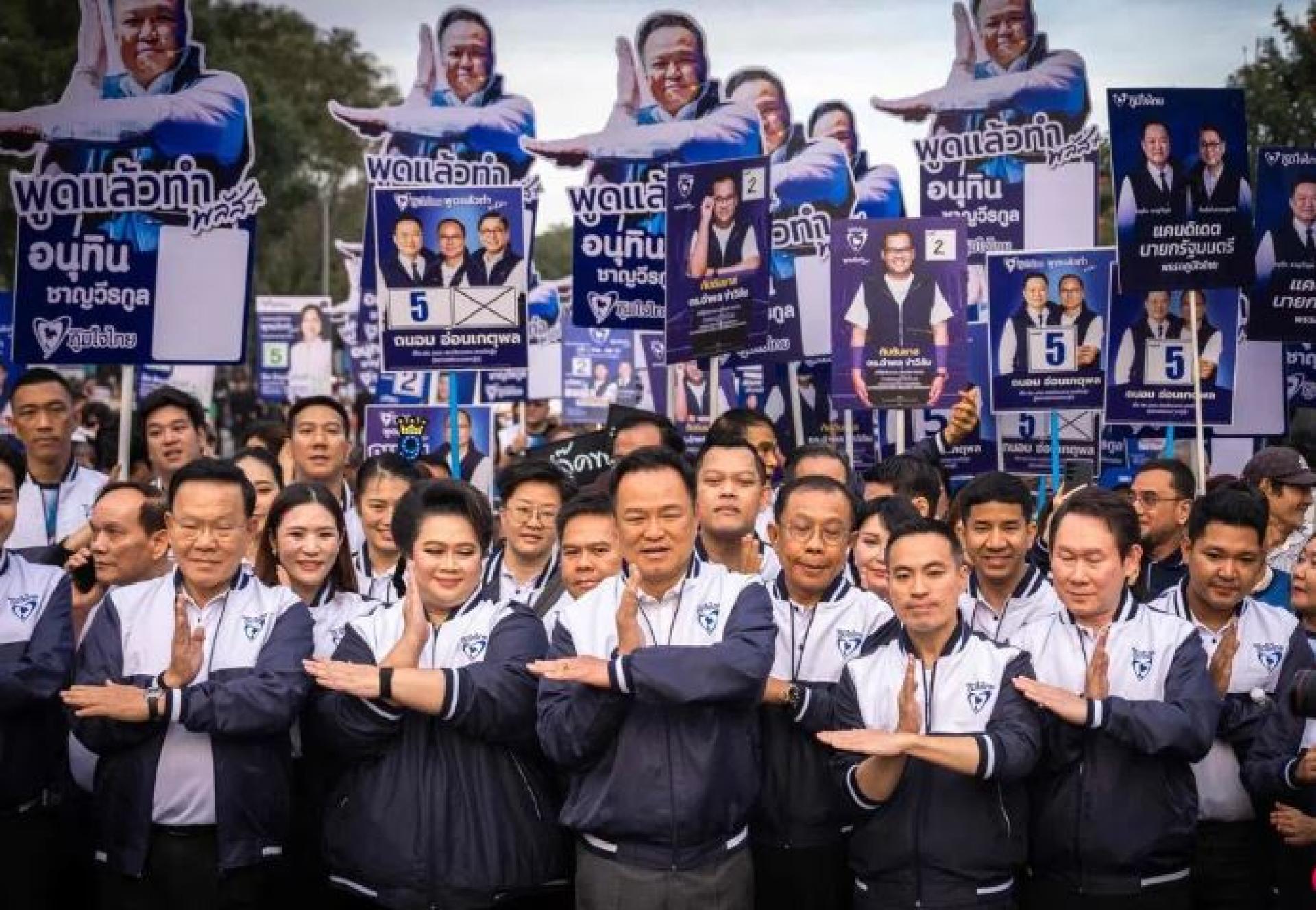
(Bangkok, 29th, Comprehensive News) Registration for candidates in Thailand’s nationwide election is in full swing. The first round of constituency seat registrations was completed on December 27 (Saturday), with a total of 3,092 candidates vying for 400 seats; the next day (December 28), registration for party-list candidates and prime ministerial candidates took place.
The Secretary-General of the Election Commission of Thailand, Sawin, stated that as of that morning, 52 parties had submitted party-list candidate slates, higher than the 47 parties in the 2023 election. A total of 32 parties nominated 68 prime ministerial candidates, with nominations closing on December 31.
Among the 2,592 constituency seat candidates, Bangkok is especially competitive, with 449 candidates contending for 33 seats in the city, making it an important battleground in this election. The registration activities will continue until December 31.
At the same time, parties completed the drawing of lots to decide the numbers on the party-list ballots. The main party numbers are: Pheu Thai Party No. 9, Democrat Party No. 27, Bhumjaithai Party No. 37, and Move Forward Party No. 46.
At the registration site, Bhumjaithai Party leader and caretaker prime minister Anutin emphasized that the party would not push for amending the lèse-majesté law. Whether the party will form a government again with the Pheu Thai Party will depend on the election results and the will of the people.
Move Forward Party leader Natthaphong stated that the party has no intention to include law amendments in its campaign agenda and will not support Bhumjaithai’s prime ministerial nomination.
He pointed out that if Bhumjaithai Party agrees to Move Forward Party’s core condition, namely that cabinet members must not be involved in illegal activities, there is still room for cooperation.
The Move Forward Party was dissolved by the Constitutional Court for pushing to amend the lèse-majesté law, but its successor, Move People Party, still has influence in Bangkok. However, media analysis suggests the Move People Party may win fewer seats than its previous 32; the Democrat Party may see a slight rebound, while Pheu Thai and Bhumjaithai Parties are expected to be in the third tier.
Oran, Vice President of the Eastern University of Thailand, analyzed that issues such as nationalism and internet fraud may influence Bangkok’s electoral trends. Many election observers believe that the final outcome will depend on the personal appeal of candidates and the prevailing issues at the time, rather than a single party's ideology.
Thailand’s nationwide election is expected to be held on February 8, 2026.
Among the 2,592 constituency seat candidates, Bangkok is especially competitive, with 449 candidates contending for 33 seats in the city, making it an important battleground in this election. The registration activities will continue until December 31.
At the same time, parties completed the drawing of lots to decide the numbers on the party-list ballots. The main party numbers are: Pheu Thai Party No. 9, Democrat Party No. 27, Bhumjaithai Party No. 37, and Move Forward Party No. 46.
At the registration site, Bhumjaithai Party leader and caretaker prime minister Anutin emphasized that the party would not push for amending the lèse-majesté law. Whether the party will form a government again with the Pheu Thai Party will depend on the election results and the will of the people.
Move Forward Party leader Natthaphong stated that the party has no intention to include law amendments in its campaign agenda and will not support Bhumjaithai’s prime ministerial nomination.
He pointed out that if Bhumjaithai Party agrees to Move Forward Party’s core condition, namely that cabinet members must not be involved in illegal activities, there is still room for cooperation.
The Move Forward Party was dissolved by the Constitutional Court for pushing to amend the lèse-majesté law, but its successor, Move People Party, still has influence in Bangkok. However, media analysis suggests the Move People Party may win fewer seats than its previous 32; the Democrat Party may see a slight rebound, while Pheu Thai and Bhumjaithai Parties are expected to be in the third tier.
Oran, Vice President of the Eastern University of Thailand, analyzed that issues such as nationalism and internet fraud may influence Bangkok’s electoral trends. Many election observers believe that the final outcome will depend on the personal appeal of candidates and the prevailing issues at the time, rather than a single party's ideology.
Thailand’s nationwide election is expected to be held on February 8, 2026.