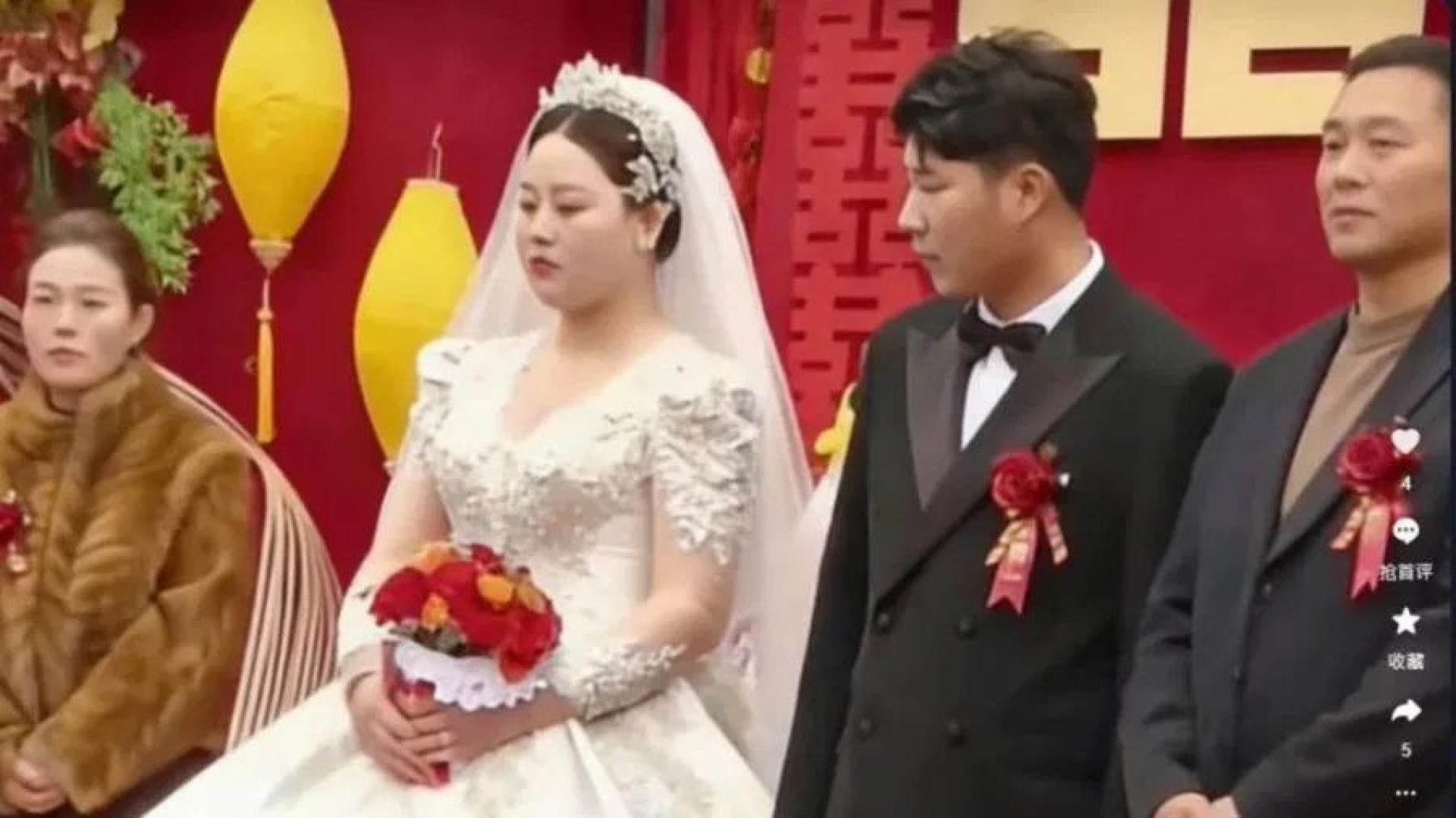
A marriage story from Huaibei, China, where a biological mother and daughter married a biological father and son, has sparked heated discussions online. According to insiders, after this 'elder couple' had been married for about 3 years, they then matched up their own children. Some netizens think this combination is 'quite good, no mother-in-law and daughter-in-law conflicts,' while others are curious about future family titles, asking, 'How would the children address everyone if they have kids in the future?'
A middle-aged man and woman in Huaibei first entered into marriage. The man originally lived with his own son, while the woman raised her own daughter. Three years ago, they formed a blended family and legally registered as husband and wife.
Three years passed in a flash. The blended family gradually got along in harmony—the two elders had a stable relationship and lived harmoniously. Considering that each had a single child who had grown up together under the same roof and were familiar with each other's personalities and habits, the parents developed the idea of matchmaking the two children.
Surprisingly, the children truly got together and eventually got married. After news broke, many netizens exclaimed 'this is the first time I've seen a situation like this' and 'this is really quite something.'
Some say that as long as the parties themselves are happy, 'this actually gets rid of mother-in-law conflicts.' However, even more netizens are curious about future family relationships—if children are born in the future, how would relatives distinguish titles among themselves?
According to relevant provisions of the Civil Code of the People's Republic of China, such marriages are legal. There is no blood relation between the father-in-law and the mother-in-law, and previous in-law relationships are nullified after the preceding marital ties end. Therefore, this does not fall within the prohibited scope of direct blood relatives or collateral blood relatives within three generations as restricted by law.
Three years passed in a flash. The blended family gradually got along in harmony—the two elders had a stable relationship and lived harmoniously. Considering that each had a single child who had grown up together under the same roof and were familiar with each other's personalities and habits, the parents developed the idea of matchmaking the two children.
Surprisingly, the children truly got together and eventually got married. After news broke, many netizens exclaimed 'this is the first time I've seen a situation like this' and 'this is really quite something.'
Some say that as long as the parties themselves are happy, 'this actually gets rid of mother-in-law conflicts.' However, even more netizens are curious about future family relationships—if children are born in the future, how would relatives distinguish titles among themselves?
According to relevant provisions of the Civil Code of the People's Republic of China, such marriages are legal. There is no blood relation between the father-in-law and the mother-in-law, and previous in-law relationships are nullified after the preceding marital ties end. Therefore, this does not fall within the prohibited scope of direct blood relatives or collateral blood relatives within three generations as restricted by law.