The World Health Organization stated on the 20th that the Ebola outbreaks in the Democratic Republic of Congo (DRC) and Uganda continue to constitute a "public health emergency of international concern." While the risk level is high at national and regional levels, it remains low on a global scale.
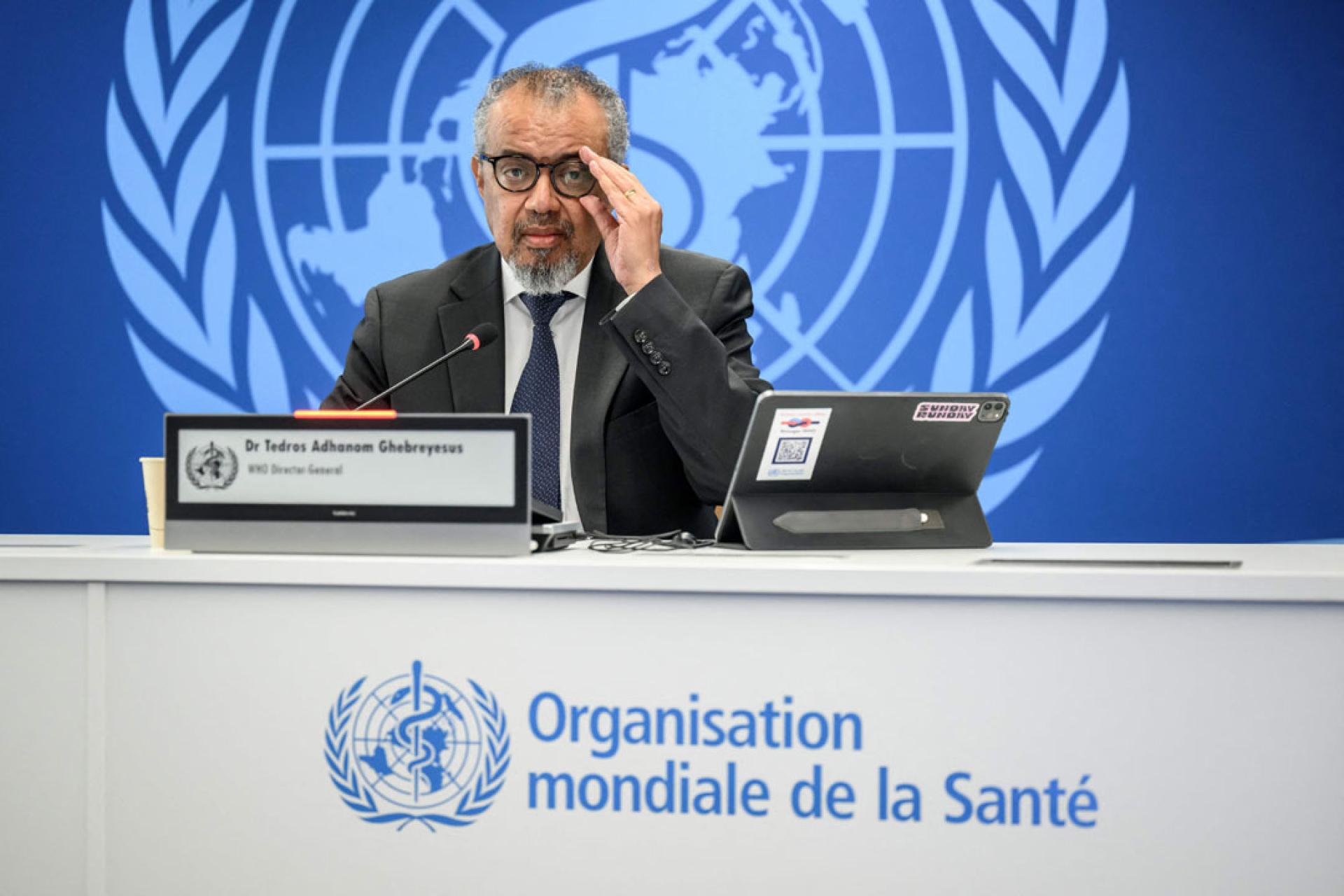
At a press briefing on the Ebola outbreak, WHO Director-General Tedros Adhanom Ghebreyesus said that given the need for urgent action to respond to the outbreak, he announced on the 17th, for the first time without convening the WHO Emergency Committee under the International Health Regulations, that this Ebola outbreak constitutes a "public health emergency of international concern." The committee met on the 19th and unanimously agreed that the situation constitutes such an emergency, but does not meet the International Health Regulations’ criteria for a “pandemic emergency.”
He stated that as of now, 51 cases of Ebola virus infection have been confirmed in the DRC, but WHO believes the actual scale of the outbreak is much larger than currently confirmed. Uganda’s capital, Kampala, has reported 2 confirmed Ebola cases, one of whom has died. Both had travel history to the DRC. In addition, an American citizen working in the DRC has been confirmed infected with the Ebola virus and has now been transferred to Germany for treatment.
He added that several factors raise serious concerns about the potential further spread of the outbreak and more deaths. First, in addition to confirmed cases, about 600 suspected cases and 139 deaths among suspected cases have been reported. Considering that the virus had spread for quite some time before the outbreak was detected, it is expected that the number of cases will continue to rise. Second, the outbreak has already spread, and cases have been reported in several urban areas. Moreover, there have been reports of deaths among healthcare workers in affected areas.
Tedros noted that this round of the outbreak is caused by the Bundibugyo strain of the Ebola virus, for which there are currently no approved virus-specific treatments or vaccines.
The WHO will strengthen traditional outbreak response measures, including case detection, contact tracing, infection prevention and control, protecting healthcare workers and their families as key populations to maintain response capacity, as well as accelerating the development of diagnostic tools, treatments, and vaccines targeting the Bundibugyo strain of the Ebola virus.