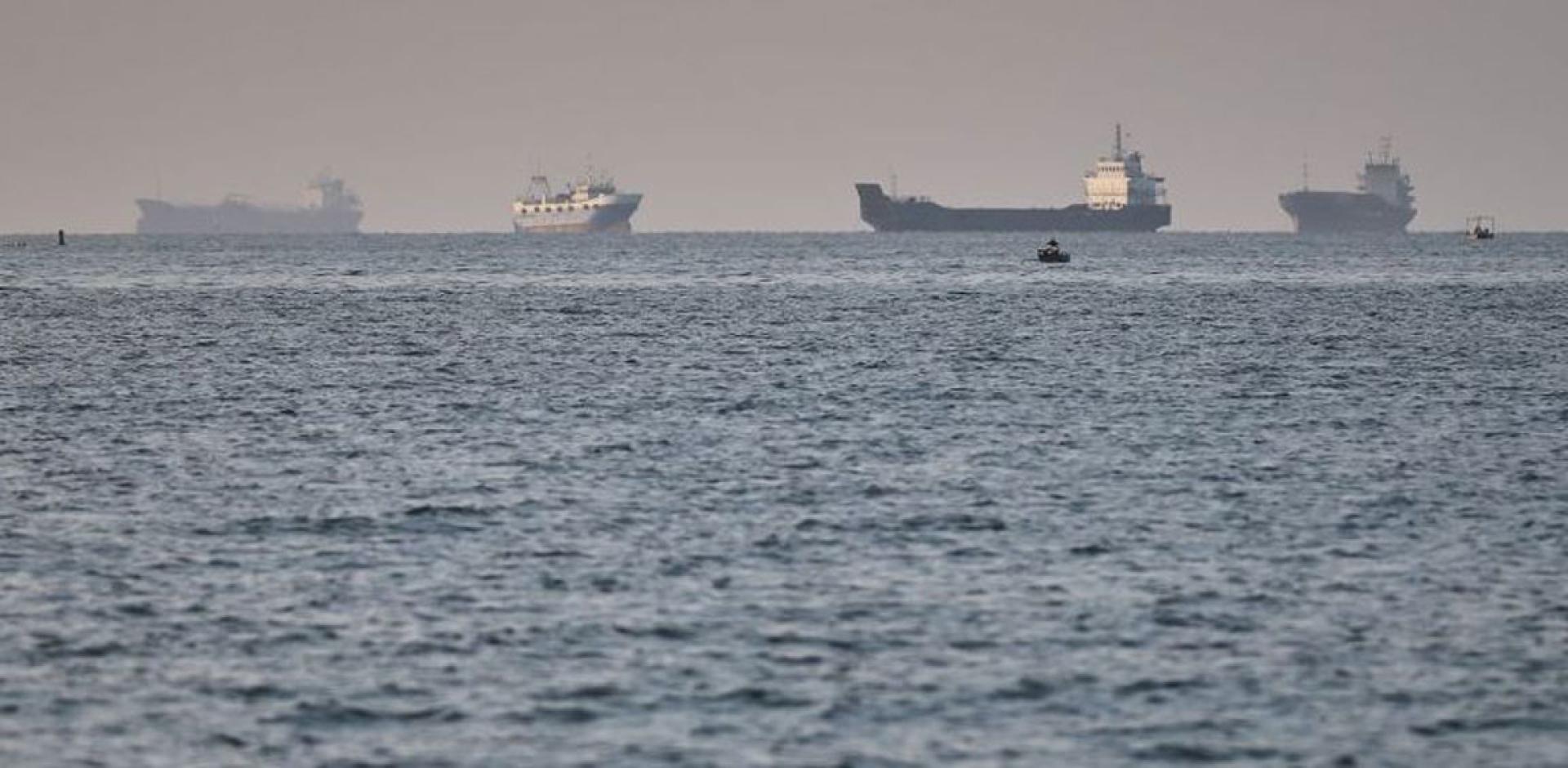
Data from the international shipping information platform 'MarineTraffic' shows that the liquefied natural gas carrier 'Disha' passed through the Strait of Hormuz into the Gulf of Oman on the 15th.
This is the first large energy transport ship to cross the Strait of Hormuz after the U.S. and Iran reached an agreement. On the 14th, the U.S. and Iran announced the signing of a ceasefire memorandum of understanding.
Data shows that the 'Disha' is approximately 277 meters long and 43.4 meters wide. In early March, it loaded liquefied natural gas at Ras Laffan Port in Qatar and subsequently stayed on the western side of the Strait of Hormuz. The ship is flagged in Malta. According to informed sources, the cargo will be shipped to India.
Besides the 'Disha', a second ship, the bulk carrier 'Caesar', also appears to have exited the strait around noon.
In any case, according to Kpler media public relations manager Positakis on social media, although over 500 merchant ships sent out Automatic Identification System (AIS) signals in the Persian Gulf in the past 24 hours, passage is still restricted.
Trump: Many Oil Tankers Leaving the Strait
U.S. President Trump said on social media on the 15th that ships have begun leaving the Strait of Hormuz, many fully loaded with oil.
He said: 'Many oil-laden ships have started to depart from the Strait of Hormuz, traveling along the southern "highway." This route is completely safe, reliable, and picturesque. There are also some other transportation routes!'
Iranian Ships Cross the Maritime Blockade
According to Iran's Fars News Agency on the 16th, several Iranian oil tankers and supply ships successfully crossed the naval blockade in the early hours of the day.
The report said that a very large Iranian oil tanker is heading from the high seas to an Iranian port, a ship carrying livestock feed ingredients crossed the blockade towards Iran, and another oil tanker fully loaded with Iranian oil has passed through the Gulf of Oman and the blockade onto its export destination.
Iran's Tasnim News Agency also reported that three tankers and two ships carrying important supplies for Iran broke through the maritime blockade.
Safety Is the Top Concern
In addition, according to Bloomberg News on the 15th, the number of ships waiting to pass around the Strait of Hormuz has increased, but shipowners and operators remain generally cautious, saying more details are needed to assess whether it is safe to pass through the strait.
Citing analysis from market services firm Kpler, the report said that among hundreds of idle ships in the Gulf, nearly 300 are already loaded and ready to pass through the Strait of Hormuz, and about the same number are waiting to return to major export terminals in the Gulf of Oman. In theory, this could release millions of barrels of oil supply, but actual passage still faces numerous obstacles, including clearing hull fouling and competition for passage through the narrow channel.
Obsidian Risk Consulting managing partner Erickson stated that safety is at the core of all shipowners' considerations: 'The shipping industry, captains, and crew are extremely vigilant about this. They know that a single misjudgment, attack, or political decision could lead to a serious escalation.'
Before the outbreak of U.S.-Iran hostilities, oil transported daily through the Strait of Hormuz averaged 20 million barrels, accounting for about one-fifth of the world's daily seaborne oil transport. Shipping industry organizations estimate that, after more than three months of conflict, about 500 merchant ships are still stranded in the Gulf, with traffic currently reduced to a trickle.