Affected by rising international oil prices due to conflicts in West Asia, the Indonesian government is facing increased fiscal pressure. Indonesia’s Coordinating Minister for Economic Affairs, Airlangga Hartarto, recently stated that, while the situation remains uncertain, the government will prioritize responding to the impact by cutting public spending in order to continue maintaining the statutory cap on the fiscal deficit at 3% of gross domestic product (GDP).
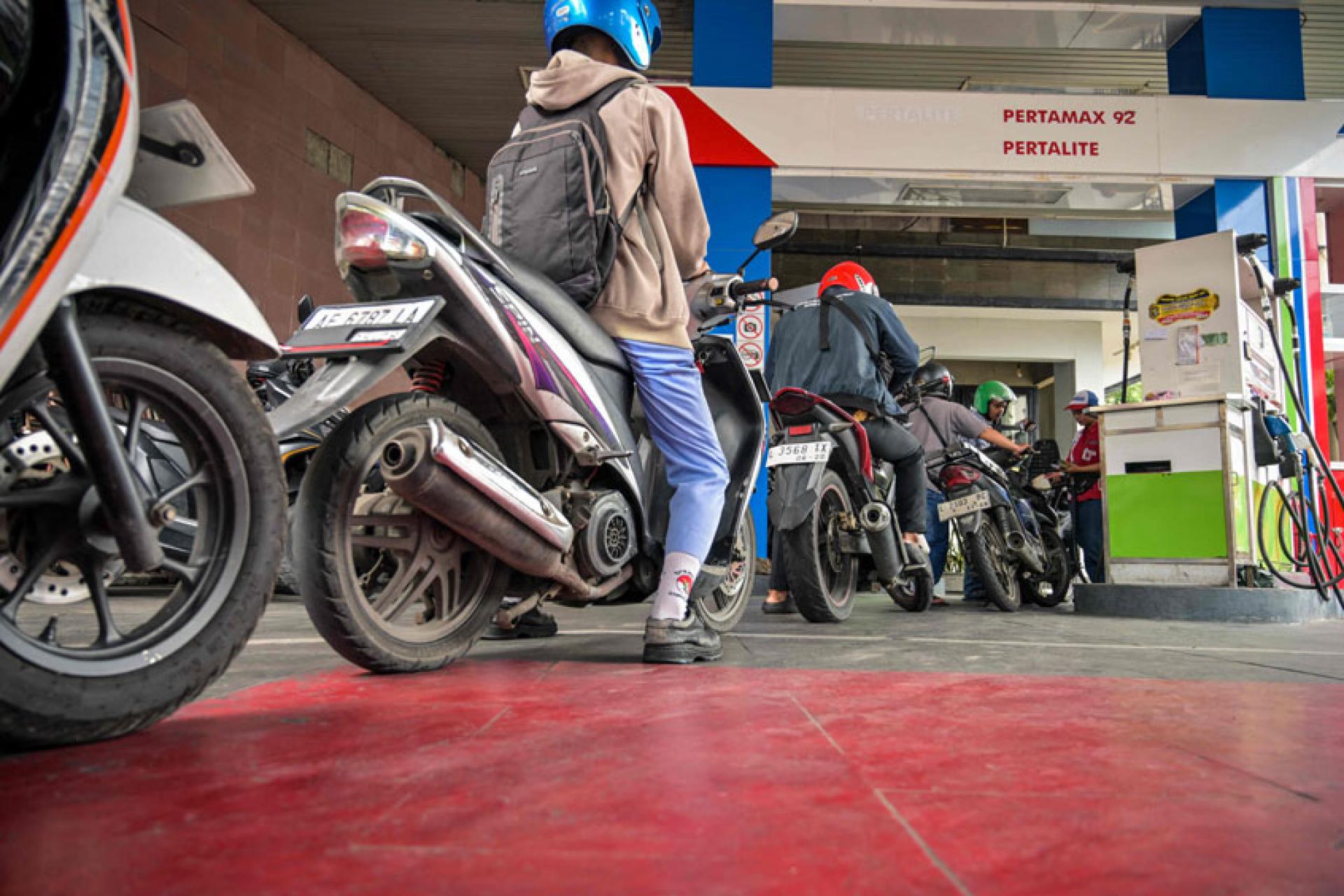
According to Xinhua News Agency, the Indonesian government has long subsidized certain fuels to stabilize domestic prices. The 2026 fuel subsidy budget was set based on an assumed oil price of 70 US dollars per barrel. However, due to geopolitical conflicts, the current international oil price is already significantly higher than the budget level, meaning the government will need to allocate a substantial additional amount for subsidies.
Indonesia’s Finance Minister, Purba Yudi Sadewa, said the government would only consider adjusting the deficit cap through regulations during a "crisis period" of a full-scale economic downturn, but there are currently no plans for this.
Indonesian President Prabowo previously stated that the fiscal deficit cap is an important tool to restrain government spending and will not be changed lightly. He also pointed out that if oil prices remain high for a long period, it will be "very difficult" for the government to maintain fiscal balance without raising fuel prices.