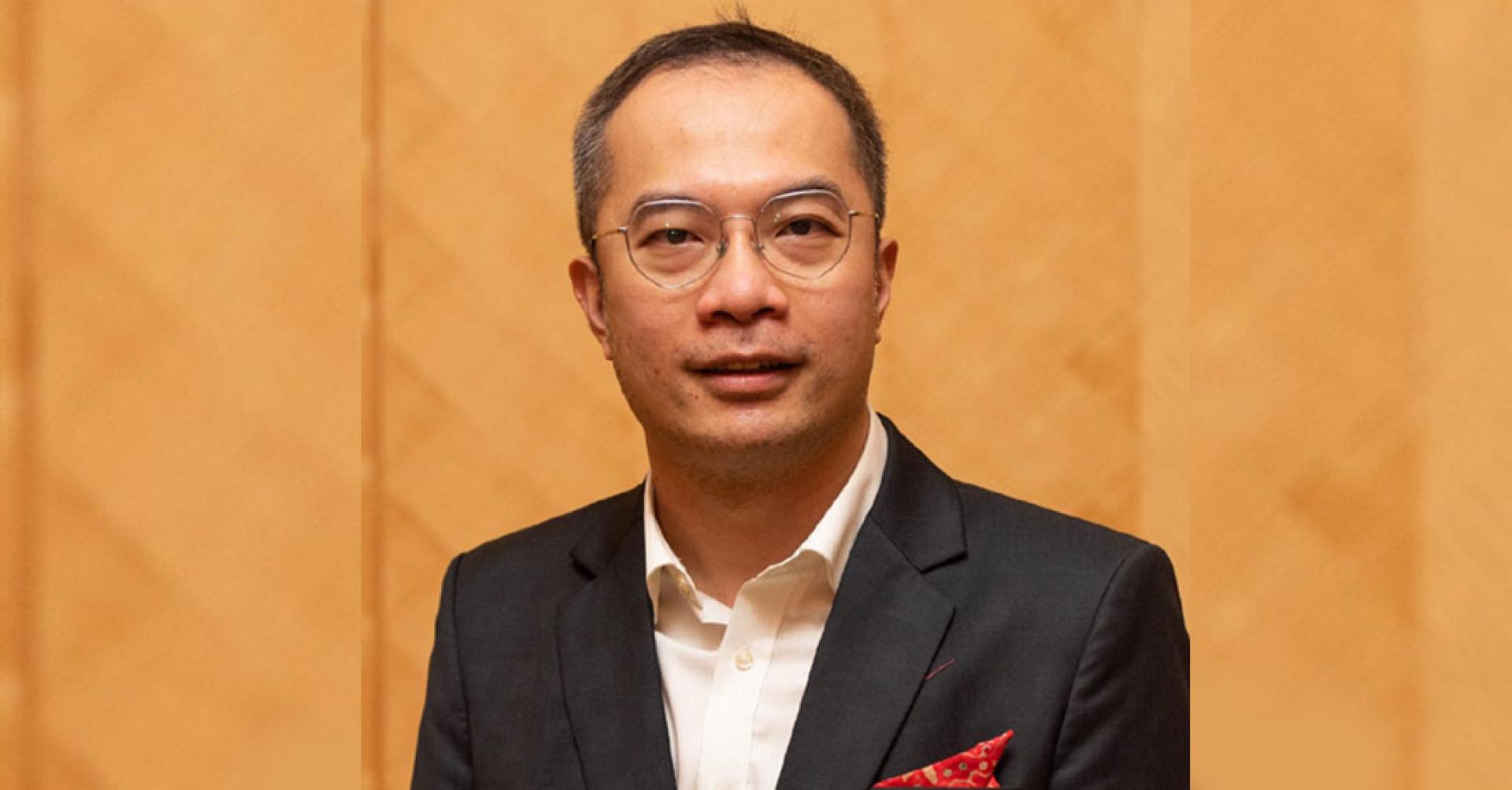
National President Dato' William Ng stated that after Dato' Sri Ewon Benedick took office as the Minister of Entrepreneur Development and Cooperatives (KUSKOP) for the first 100 days, his energetic, data-driven, and clear communication 'Ewon style' has been impressive.
Ng believes that the 'Making Malaysian Businesses Stronger' (Hebatkan Perniagaan Malaysia) initiative promoted by Ewon has, in a short period, already provided total financing of RM2 billion to more than 88,000 micro, small, and medium enterprises (MSMEs).
He mentioned that for these 'timely' measures benefitting the business ecosystem, the Small and Medium Enterprises Association Malaysia (SAMENTA) gives the Minister and the Ministry a high A-grade rating. In the current period of economic volatility, the ability to rapidly mobilize government mechanisms to inject the much-needed working capital into SMEs is truly commendable.
"Within the first hundred days in office, Ewon also met with stakeholders including our association to provide solutions to several pain points faced by SMEs. However, to go from an A grade to an A+ grade, the government must go beyond financial aid and address the long-term structural issues that have plagued SMEs."
To truly realize the goal of "Making Malaysian Businesses Stronger," SAMENTA urges the government to prioritize the following four key structural issues:
1. Competing Fairly with Government-Linked Companies (GLCs)
GLCs are deeply involved in industries that should be led by the private sector and SMEs, continually hindering growth and innovation. The government should encourage GLCs to exit the non-strategic retail and service markets, allowing local SMEs to develop independently without having to compete with government agencies.
2. Solving the Manpower Shortage
The market generally misunderstands that automation and digitalization can reduce SMEs' reliance on labor. While this is partly true for manufacturing, the vast majority of Malaysian SMEs are in the service industry, where automation cannot easily replace large numbers of workers. SAMENTA recommends the government prioritize allowing SMEs to hire foreign workers and implement a multi-tier levy system to encourage hiring based on needs and eliminate problematic intermediaries.
3. Drastically Streamlining Administrative Procedures
Complicated local government and licensing approval processes remain a main bottleneck for SME development. Although the "Bureaucracy Reform" (Reformasi Karenah Birokrasi) and "Iltizam Act" (Akta Iltizam) have started to show results, further acceleration and optimization are needed. Streamlining administrative procedures is key to ensuring SMEs remain competitive in the rapidly changing international arena.
4. Advancing from “Made in Malaysia” to “Created in Malaysia”
Malaysia's economic growth has long relied on being a manufacturing and service base for global brands, but as regional competitors rise, these advantages are gradually eroding. The next stage of growth must see a move up the value chain, focusing on intellectual property, design, and branding. The government should focus on the "Global Champion Program" to help local SME brands go international and ensure the wealth created remains within the Malaysian ecosystem.
He noted that Ewon's performance during his first hundred days in office has been outstanding, and SAMENTA acknowledges his efforts. However, it also emphasizes that SMEs need deeper structural reforms to solve their longstanding challenges.
SAMENTA looks forward to continuing to collaborate closely with Minister Ewon and the Ministry of Entrepreneur Development and Cooperatives to ensure that Malaysia's 1.1 million SMEs remain competitive now and in the future.