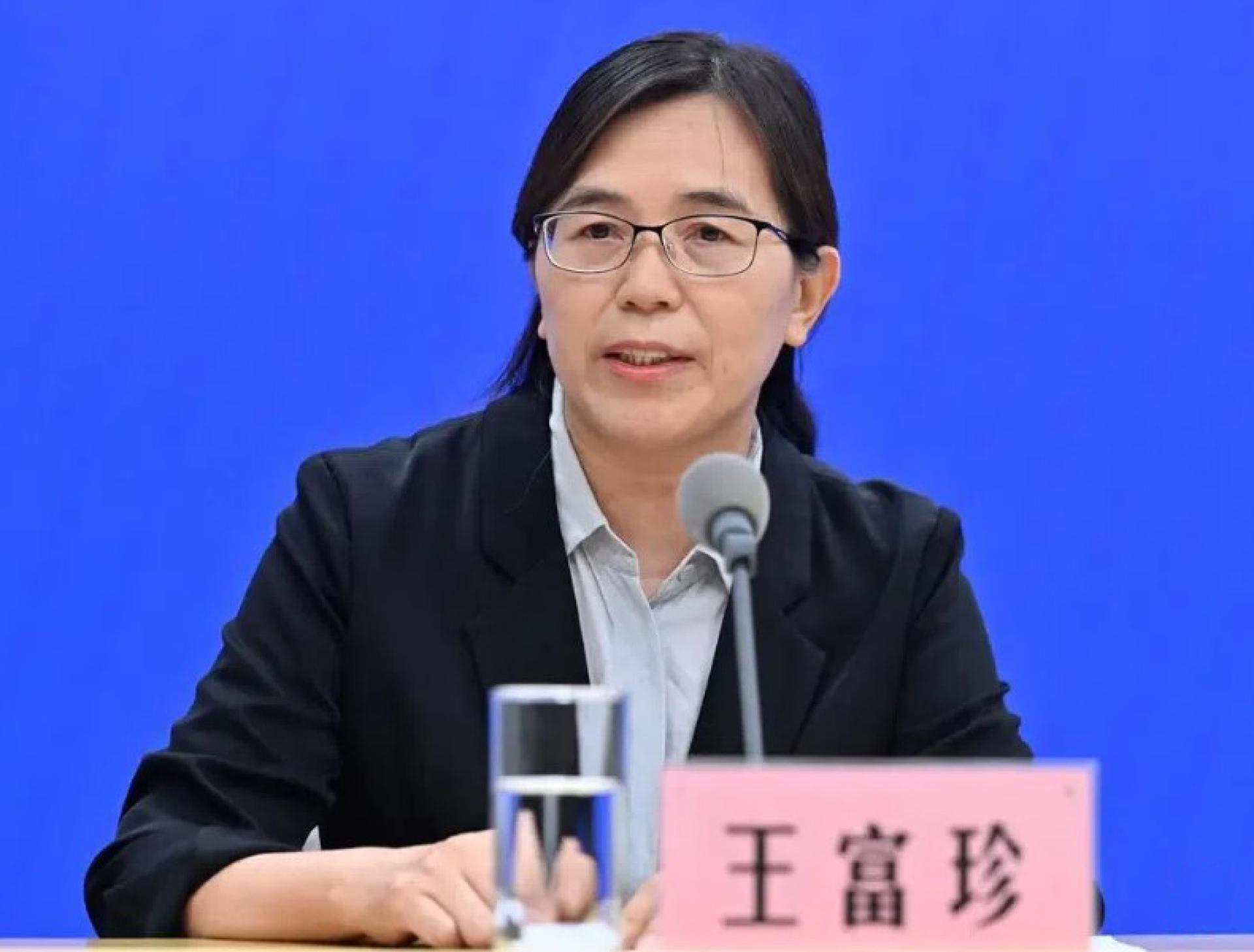
Chinese authorities stated that the country's COVID-19 epidemic has experienced cyclical fluctuations, reaching a peak plateau in early to mid-August, and is currently on a downward trend, with a more pronounced decline in southern regions. The overall intensity of the epidemic is similar to that of the previous two years, the disease remains mainly mild, monitoring has not found any variants that may pose major public health risks, nor have the epidemic fluctuations caused significant impacts on the overall medical order.
According to the official website of China's National Health Commission, Wang Fuzhen, a researcher from the Chinese Center for Disease Control and Prevention, revealed this information at a press conference held on Friday (August 21).
Wang Fuzhen explained that influenza is an acute respiratory infectious disease caused by influenza viruses, and the currently circulating seasonal influenza viruses have three subtypes, to which the general population is susceptible, and outbreaks are common in autumn and winter. In southern provinces of China, there can also be summer outbreaks.
She pointed out that influenza is different from the common cold as its systemic symptoms are more severe, especially in children, the elderly, and patients with chronic diseases, who have a higher risk of severe cases or other complications. Relevant research evidence shows that every year, influenza epidemics can lead to 3 to 5 million severe cases globally, and 290,000 to 650,000 respiratory disease-related deaths, posing a serious threat to health.
Since July this year, the A/H3N2 subtype and B/Victoria lineage have been co-circulating across China at similar proportions, with a recent slight increase in A/H3N2, suggesting authorities need to take preventive measures in advance.
Wang Fuzhen stated that receiving the influenza vaccine is the most economical and effective means of preventing influenza, as it can produce specific protective antibodies and is especially effective in reducing severe cases and deaths. Prevention, rather than treatment after illness, is most appropriate and should be strongly advocated.
She recommends that people aged six months and above, especially key groups such as the elderly and young children, patients with chronic diseases, and personnel in key places like schools, nursing homes, and welfare institutions, should get the influenza vaccine as early as possible before the flu season. In recent years, some areas have provided free influenza vaccination for primary and secondary school students and the elderly, which has had a protective effect.
Influenza vaccination for this season will also be gradually launched across China from September. Wang Fuzhen pointed out that influenza vaccination services are now increasingly accessible and convenient, with many community health centers and township clinics offering weekend appointments and extended vaccination hours. The public is urged to stay informed, be proactive, and choose a nearby vaccination site for vaccination.
On the other hand, autumn and winter are also high-incidence seasons for transmissible diseases such as chickenpox, rhinovirus infections, norovirus infections, and hand, foot and mouth disease. Wang Fuzhen noted that schools are key sites for infectious disease prevention and control. After the start of the school year, it is necessary to strengthen students' health monitoring and implement multi-disease prevention. Parents should guide children to strengthen personal protection and cooperate with schools in daily health checks to reduce the risk of bringing infectious diseases into campuses.