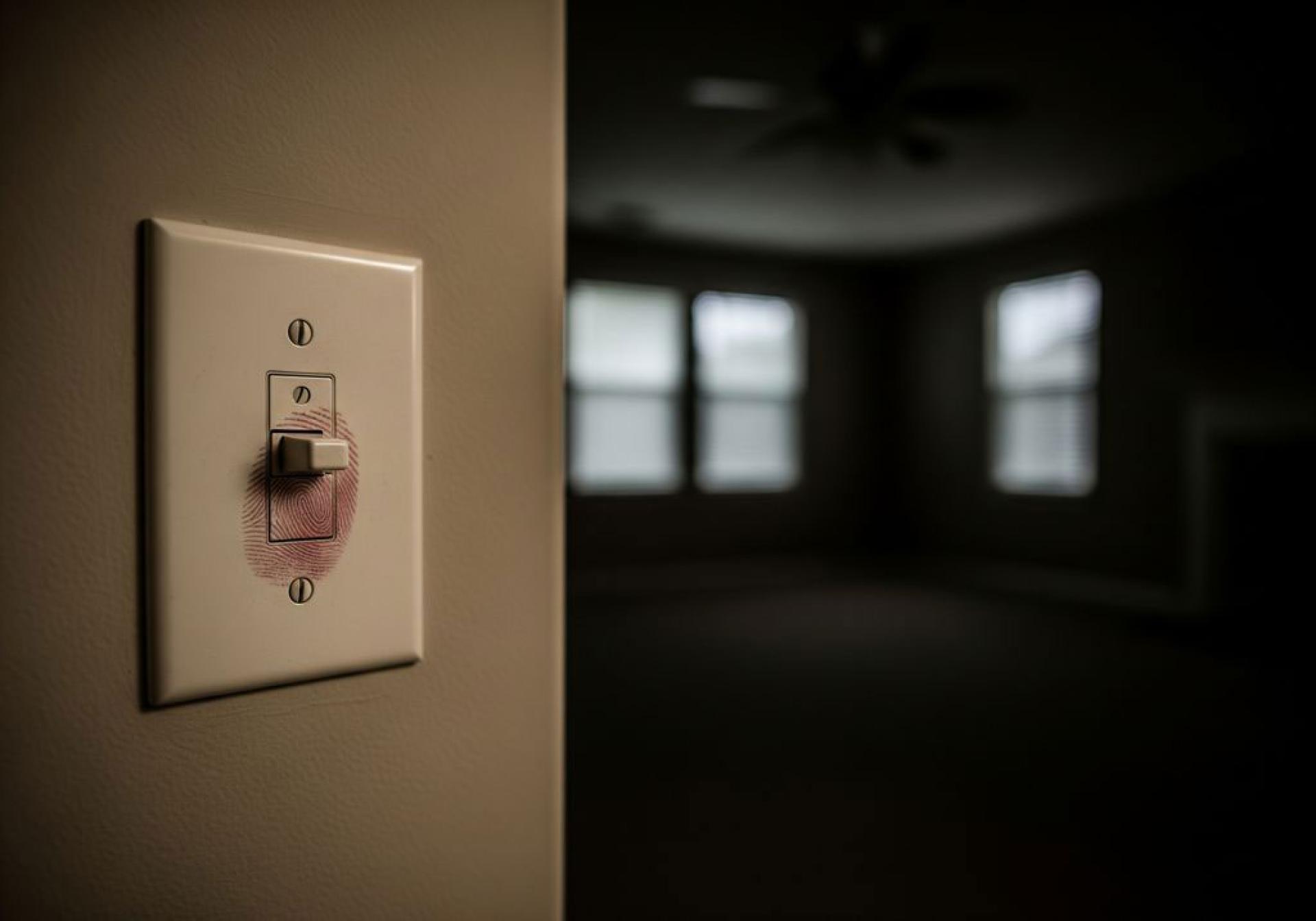
According to a report by the Procuratorial Daily, affiliated with China's Supreme People's Procuratorate on Tuesday, a mother-and-son double murder case that occurred in Yanqing District, Beijing in 2004 has finally been solved after 20 years. Back then, police discovered an almost invisible blood fingerprint at the crime scene, but due to technical limitations at the time, they were unable to identify the person. It was not until 2022, when fingerprint identification technology was upgraded, that police locked onto Liu, an individual involved in gambling activities. After repeated expert examinations confirmed the fingerprints matched, Liu was arrested in April 2024. Upon review and approval of the death penalty by the Supreme People's Court, the execution was carried out.
The crime took place in November 2004. A 39-year-old woman, Li Hong (all names are pseudonyms hereafter), and her 15-year-old son were murdered in their Yanqing residence; their bodies were discovered about 4 or 5 days after death. Since the apartment door was locked from the inside and the lock was intact, the scene initially presented a "locked room" situation. Police found a latent blood fingerprint, tainted with blood, on the living room corridor light switch, which became the only crucial clue at the time. The initial comparison produced no results, and the case became a longstanding cold case.
With the advancement of criminal investigation technology, police re-compared this blood fingerprint in 2022, and the system issued an alert, tentatively matching it to Liu. After further verification by multiple experts, the identity was confirmed. Police investigated for two more years, and finally in April 2024 arrested Liu in Yanqing. Surprisingly, after the crime, Liu had always stayed in Yanqing, living a normal life, working regularly, and even retiring; he never fled elsewhere.
The prosecution found that the case arose from a dispute over an engineering subcontract. In early 2004, Li Hong's husband, Zhang, contracted a rainwater trench project worth 300,000 yuan (about 182,000 ringgit), and later subcontracted it to Liu. Due to issues with project quality and settlement, Liu believed the payment he received was far less than expected, repeatedly demanded payment to no avail, and filed a lawsuit, leading to deepening resentment.
Before the incident, Liu learned Zhang’s family had moved to his community and heard that Zhang’s company was about to distribute year-end bonuses, which prompted him to steal. On the night of the crime, he climbed through a protective window on the fourth-floor balcony into Zhang’s home. After being discovered by Li Hong, he attacked with a sharpening stick, and then fatally stabbed the 15-year-old boy and Li Hong. He covered their bodies with quilts and left the scene the same way he entered—from the balcony.
In December 2024, the Beijing First Intermediate Court sentenced Liu to death for intentional homicide. Liu appealed, claiming that not all the wounds were inflicted by him and the defense argued that the possibility of another party entering the scene could not be ruled out. The Beijing High Court found that the blood fingerprint identification, scene footprints, witness testimony, defendant’s confession, and on-site investigation results corroborated each other, forming a complete chain of evidence. In September 2025, it dismissed the appeal and upheld the original verdict.
On April 15 this year, the Supreme People’s Court approved the death penalty. On July 9, Liu was executed, bringing a close to this more than 20-year-old case.