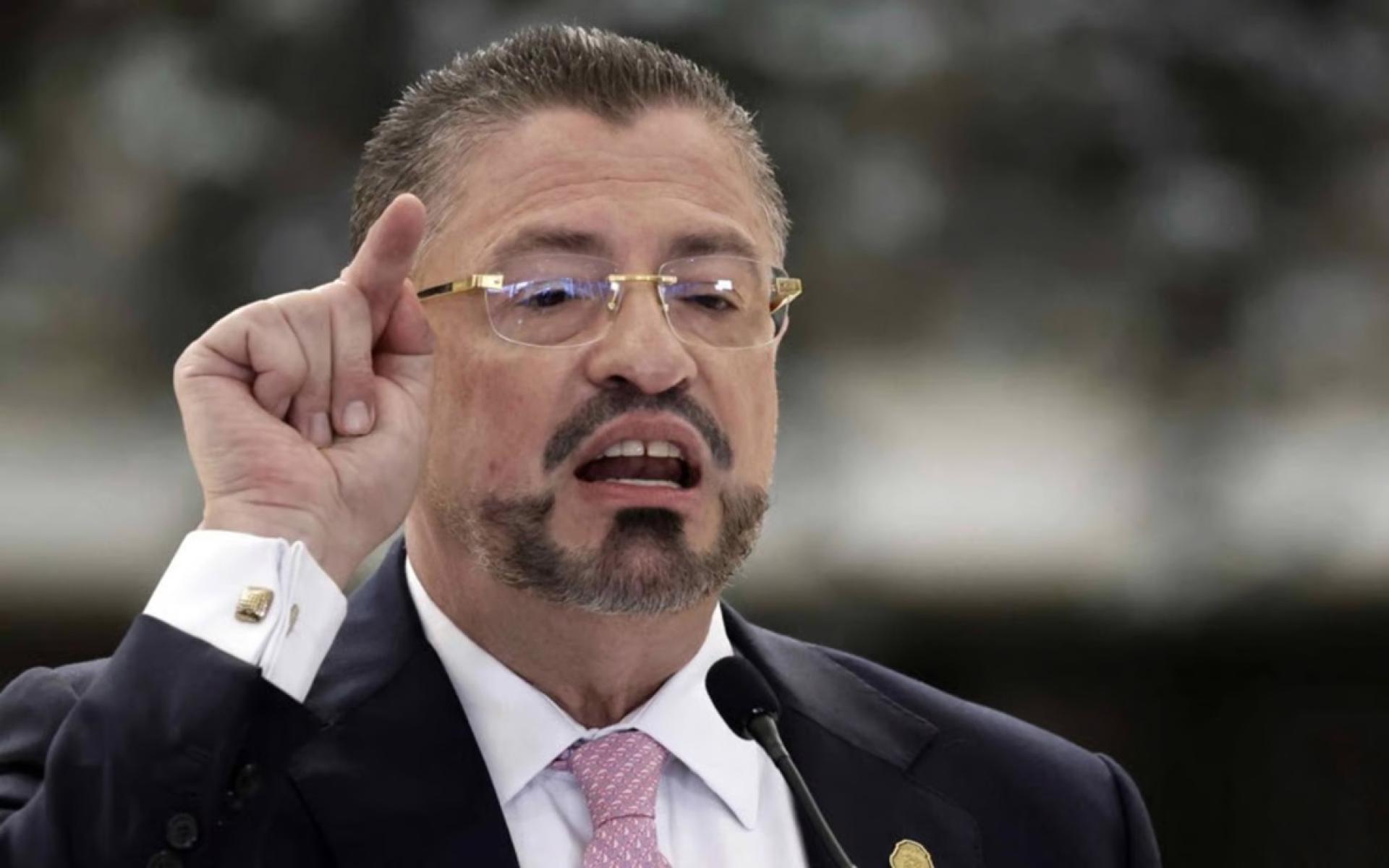
Following Ecuador, Costa Rican President Chaves stated on the 18th that he does not recognize the legitimacy of the Cuban government and has ordered the closure of their embassy in the Cuban capital, Havana. He also said, "Communists must be purged from the Western Hemisphere"; Cuba attributed this move to pressure from the United States.
According to media reports, Chaves spoke candidly at the inauguration ceremony of an anti-drug scanning facility donated by the U.S., saying that, in view of the Cuban communist regime's inhumane treatment of its people, Costa Rica "does not recognize the legitimacy of the Cuban communist regime." He added: "We will not grant legitimacy to a regime that oppresses and mistreats nearly ten million Cubans."
Costa Rica subsequently instructed Cuban diplomatic personnel to withdraw from the Costa Rican capital, San José. Chaves indicated that, if Havana wishes, it may retain consular personnel in Costa Rica to serve the approximately 10,000 Cuban residents, while Costa Rica will serve its own citizens in Cuba through its embassy in Panama.
The Cuban Ministry of Foreign Affairs responded, stating that as of April 1 only consular staff would remain, and emphasized that “the Costa Rican government has always cooperated with U.S. policies against Cuba and is now once again responding to a new round of U.S. efforts to isolate Cuba.” Previously, U.S. President Trump openly stated he hoped to “have the honor of taking Cuba in some way,” and imposed an oil embargo on Cuba, resulting in widespread power outages that have affected people's livelihoods and business operations.
Before Costa Rica, Ecuador expelled Cuban Ambassador Gutiérrez on the 4th.