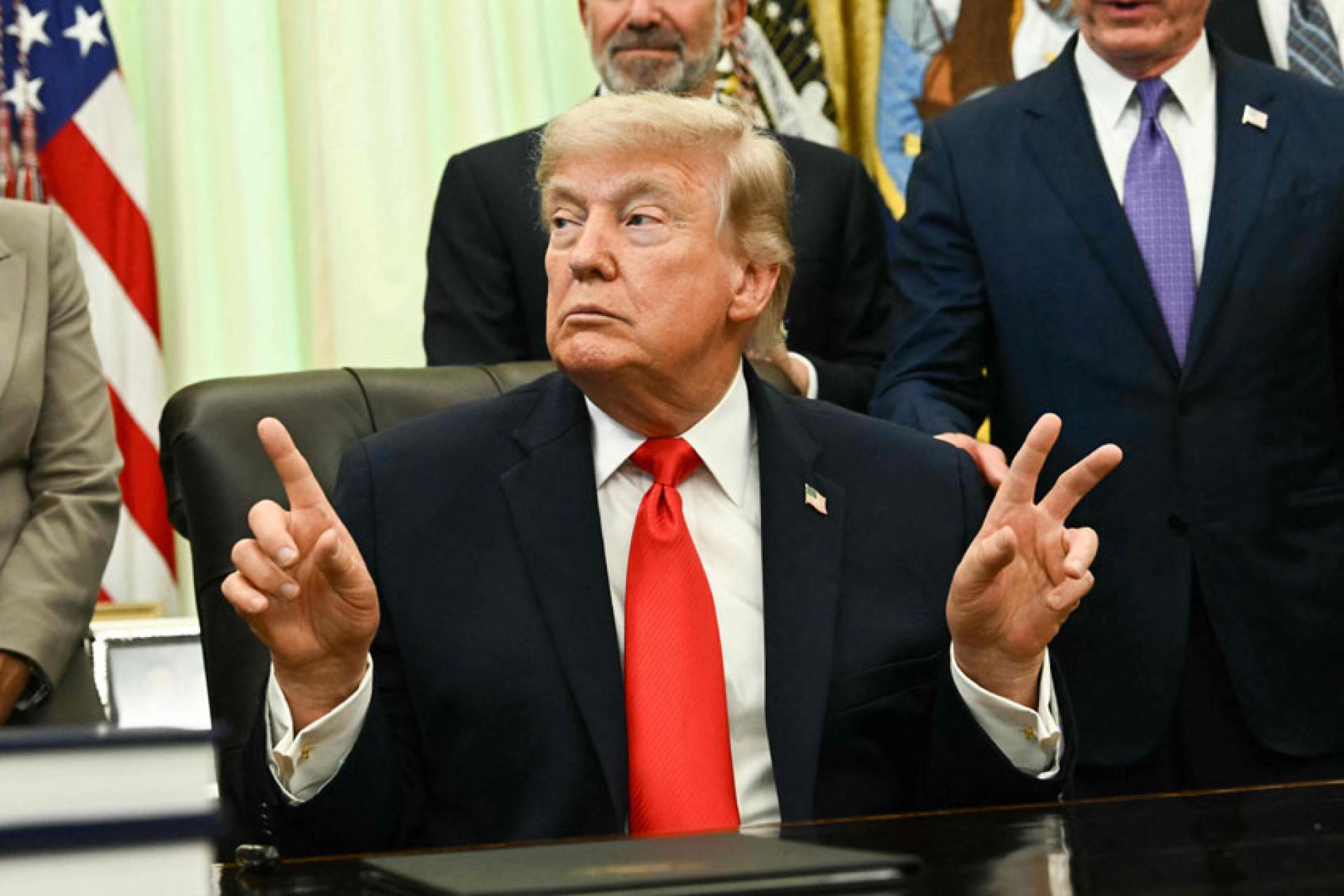
U.S. President Trump stated at the White House on the 11th that he has reached a major agreement with Iran, which may be signed in Europe this weekend. However, he himself will be unable to attend, and U.S. Vice President Vance will be present.
At an event held at the White House, he said that significant progress has been made in the U.S.-Iran negotiations, and the two sides are about to sign an agreement, with the document's content basically finalized.
He indicated that once the agreement is signed, the Strait of Hormuz will also be opened.
He also pointed out that he has spoken with Israeli Prime Minister Netanyahu as well as the leaders of Qatar, the United Arab Emirates, Saudi Arabia, Bahrain, and Kuwait, and is about to speak with Turkish President Erdoğan.
When asked by reporters whether Iran's Supreme Leader has approved the agreement, Trump said: "As far as I know, the answer is yes."
He stated that what has been reached is a very strong memorandum of understanding, and the U.S. maritime blockade of Iran will end immediately after the memorandum is signed.
When asked if Iran agreed not to possess nuclear weapons, Trump said Iran has already agreed not to have nuclear weapons. "Not only will they not have them, but they will never in any way, in any form, purchase or develop nuclear weapons."
Earlier that day, Trump wrote on social media that, given the results of consultations with Iran have been submitted to and approved by Iran's supreme leadership, he has canceled the previous plan to conduct airstrikes and bombing operations against Iran that night.
Iran Has Yet to Reach a Final Conclusion on the Agreement
Iranian Foreign Ministry spokesperson Baghaei said on the 11th that so far, Iran has not yet reached a final conclusion on the U.S.-Iran agreement, and any statements circulating about the agreement are speculation; relevant matters have not been finalized.
He pointed out that Qatar and Pakistan are actively mediating the U.S.-Iran negotiations, but the actions of the U.S. side have affected this process, and Iran will not compromise on issues that cross its red lines.
He said that the U.S. has recently tried to put forward some unusual demands, but Iran will never yield to illegal conditions and demands under any circumstances. Most of the text of the U.S.-Iran agreement has been finalized, but the U.S. side keeps changing its stance, and its contradictory positions are hindering the process. The situation in the Strait of Hormuz has also become more turbulent due to U.S. actions.