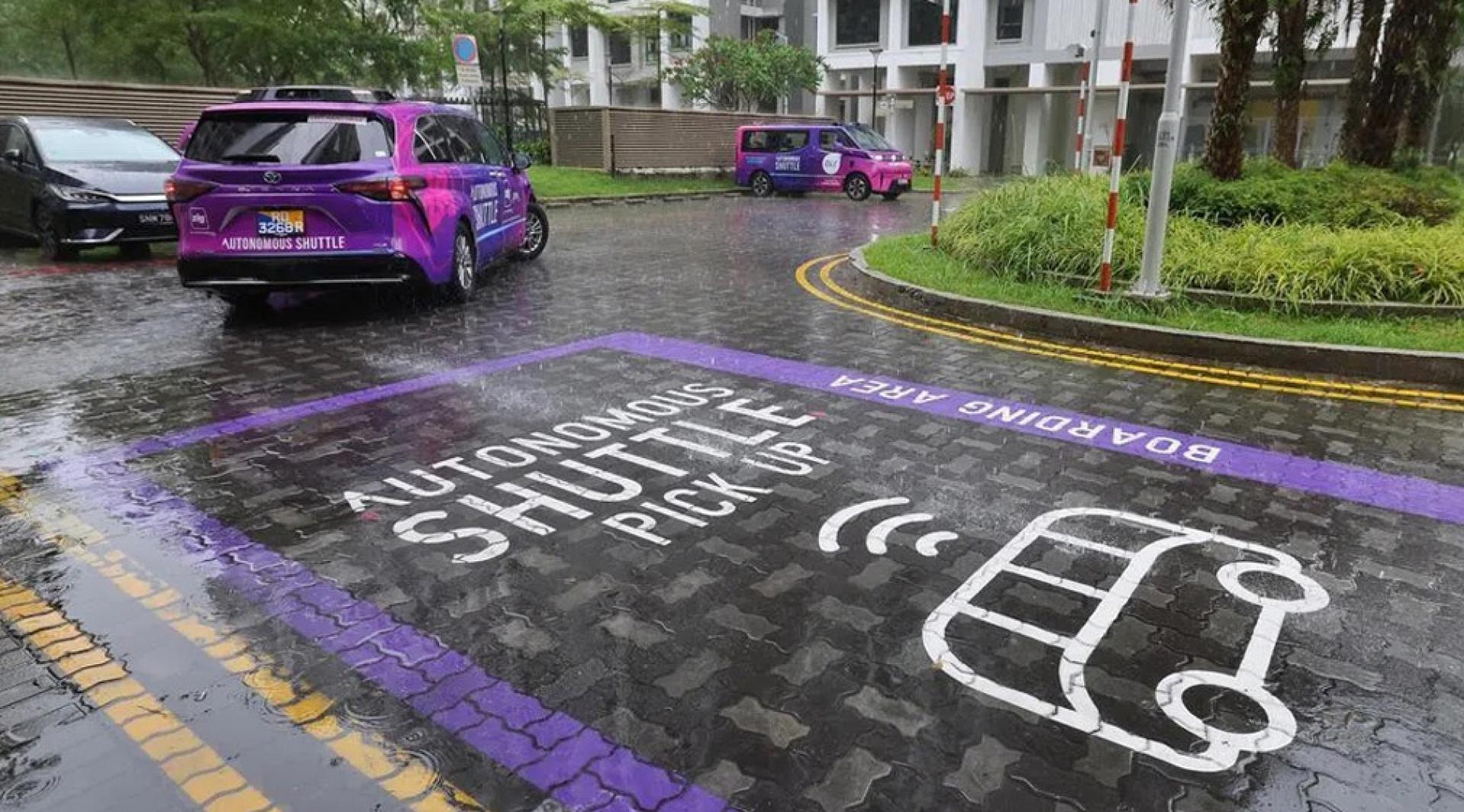
In line with the development of autonomous vehicles, Singapore is planning to introduce new legislation to clarify safety standards, liability, insurance, and enforcement arrangements for self-driving cars. The Ministry of Transport is launching a public consultation from the 4th to seek feedback on relevant legal and regulatory frameworks.
According to a report by Lianhe Zaobao, the Ministry of Transport issued a press release stating that the government plans to more comprehensively regulate the deployment and operation of autonomous vehicles on local roads. The new law will draw on the experience of autonomous vehicles operating under the regulatory sandbox of the current Road Traffic Act, as well as international best practices.
The current road traffic framework is mainly aimed at human drivers and does not fully cover operational scenarios of autonomous vehicles. Therefore, the proposed bill will further clarify the safety specifications for autonomous vehicles, as well as the rules for liability, insurance arrangements, and enforcement mechanisms, providing enterprises with a clearer legal basis and offering greater public assurance.
The Ministry of Transport emphasized that Singapore is committed to ensuring the safety of autonomous vehicles on the road while also promoting technological innovation and industry growth in the transport sector. This consultation focuses on four key areas as the foundation for the legislative framework for autonomous vehicles.
First is the responsibilities and accountability mechanisms for parties within the autonomous vehicle ecosystem. According to the proposed framework, there are currently four types of participants: autonomous vehicle technology providers, fleet operators, safety operators, and remote operators. Authorities will explore regulation through vehicle approvals, licensing regimes, and penalties for violations, as well as updating liability rules applicable during testing and commercial operation phases.
The second area is accident compensation and insurance arrangements. The third is data and cybersecurity management. The fourth focuses on advanced driver-assistance systems and conditional autonomous driving technologies.
The Ministry of Transport will engage with the industry, insurance and legal sectors, labor unions, and the public to collect feedback on the legislative proposals. The public consultation will last until June 30th.