Pro-Beijing Hong Kong newspaper Ta Kung Pao published a commentary criticizing the ruling by Panama’s Supreme Court against Hong Kong’s CK Hutchison Holdings, accusing Panama of following the U.S.’s hegemonic bullying.
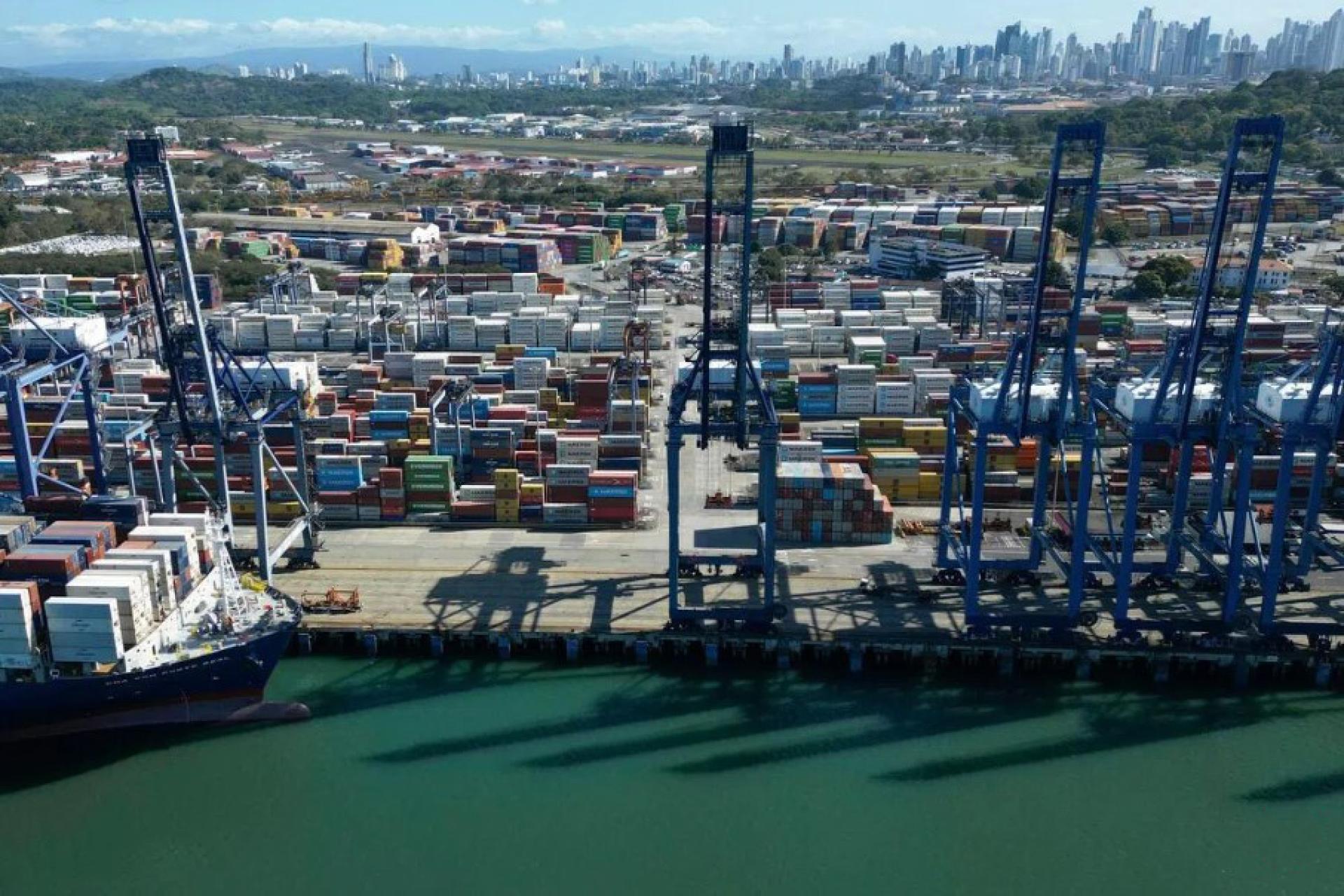
In the commentary released last Saturday (January 31), Ta Kung Pao noted that Panama’s Supreme Court announced late on January 29 local time, ruling that the contract granting CK Hutchison the operation of two ports near the Panama Canal violated the constitution. The piece criticized the action as a clear breach of the relevant legal framework and the laws for approving contracts, calling it dishonest and a betrayal of the spirit of contract.
The article pointed out that this was yet another typical incident of certain countries or forces using legal instruments to improperly intervene in Chinese overseas assets. Panama’s Supreme Court ruling demonstrated that they are following the hegemonic bullying of the United States, and urged Hong Kong companies that only by firmly standing with the nation can risks be continuously mitigated.
The article mentioned that CK Hutchison has been operating the two ports near the Panama Canal since 1997, and the port contract was renewed in 2021. Panama’s Auditing Office in 2020 confirmed that the Panama Port Company under CK Hutchison had substantially complied with the terms of the franchise contract, and in 2021, the Panama Maritime Authority also confirmed that the Panama Port Company had fully fulfilled its franchise obligations. The current ruling that the contract is unconstitutional, the article argues, is not a legal issue but rather one of fabricated charges under U.S. pressure, constituting political suppression.
The article enumerated that after U.S. President Trump returned to the White House last January, he stated in his inaugural speech that he would “take back” the Panama Canal. Subsequently, the Panamanian Auditing Office announced a thorough investigation into the Panama Port Company. Panamanian President Mulino, during a visit from U.S. Secretary of State Rubio last February, agreed to withdraw from the Belt and Road Initiative, emphasizing strengthening cooperation with the U.S. and promoting U.S. investments in Panama. Following this, two Panamanian lawyers filed a lawsuit at the court claiming the port operation contract was unconstitutional, and the Panamanian government began considering canceling the above-mentioned contract.
The article also noted that Panama and the United States conducted joint military exercises, claiming to protect the strategic waterway of the Panama Canal. The U.S. also pressured CK Hutchison to sell its 43 overseas port operations—including the two ports at the Panama Canal—to U.S. companies.
The article argued that as a “small and weak country” in the “U.S.’s backyard,” Panama fundamentally has no “bargaining power” when facing U.S. pressure. It may temporarily “bow its head,” but in facing the Trump administration—which “turns on a dime”—the road ahead seems unpromising and is bound to backfire and cause self-inflicted harm.
The commentary urged Hong Kong businesses to note how mainland China, with the solidarity and concerted efforts of its over a billion people, had coped with the new round of trade war launched by the United States last April. Therefore, it called on Hong Kong companies, when facing U.S. hegemonic bullying and unruly actions, not to fret over gains and losses in one city or one region, but rather to maintain strategic composure—only by firmly standing together with the nation and seeking cooperation through struggle can their own interests be protected.
Ta Kung Pao also criticized Hong Kong tycoon Li Ka-shing’s CK Hutchison in March last year for reportedly planning to sell 43 ports—including the two at the Panama Canal—to a U.S. consortium. Without naming Li Ka-shing, the article warned that choosing to dance with U.S. politicians might earn profits, “but ultimately there is no future, and it will leave a mark of shame in history.”
The article pointed out that this was yet another typical incident of certain countries or forces using legal instruments to improperly intervene in Chinese overseas assets. Panama’s Supreme Court ruling demonstrated that they are following the hegemonic bullying of the United States, and urged Hong Kong companies that only by firmly standing with the nation can risks be continuously mitigated.
The article mentioned that CK Hutchison has been operating the two ports near the Panama Canal since 1997, and the port contract was renewed in 2021. Panama’s Auditing Office in 2020 confirmed that the Panama Port Company under CK Hutchison had substantially complied with the terms of the franchise contract, and in 2021, the Panama Maritime Authority also confirmed that the Panama Port Company had fully fulfilled its franchise obligations. The current ruling that the contract is unconstitutional, the article argues, is not a legal issue but rather one of fabricated charges under U.S. pressure, constituting political suppression.
The article enumerated that after U.S. President Trump returned to the White House last January, he stated in his inaugural speech that he would “take back” the Panama Canal. Subsequently, the Panamanian Auditing Office announced a thorough investigation into the Panama Port Company. Panamanian President Mulino, during a visit from U.S. Secretary of State Rubio last February, agreed to withdraw from the Belt and Road Initiative, emphasizing strengthening cooperation with the U.S. and promoting U.S. investments in Panama. Following this, two Panamanian lawyers filed a lawsuit at the court claiming the port operation contract was unconstitutional, and the Panamanian government began considering canceling the above-mentioned contract.
The article also noted that Panama and the United States conducted joint military exercises, claiming to protect the strategic waterway of the Panama Canal. The U.S. also pressured CK Hutchison to sell its 43 overseas port operations—including the two ports at the Panama Canal—to U.S. companies.
The article argued that as a “small and weak country” in the “U.S.’s backyard,” Panama fundamentally has no “bargaining power” when facing U.S. pressure. It may temporarily “bow its head,” but in facing the Trump administration—which “turns on a dime”—the road ahead seems unpromising and is bound to backfire and cause self-inflicted harm.
The commentary urged Hong Kong businesses to note how mainland China, with the solidarity and concerted efforts of its over a billion people, had coped with the new round of trade war launched by the United States last April. Therefore, it called on Hong Kong companies, when facing U.S. hegemonic bullying and unruly actions, not to fret over gains and losses in one city or one region, but rather to maintain strategic composure—only by firmly standing together with the nation and seeking cooperation through struggle can their own interests be protected.
Ta Kung Pao also criticized Hong Kong tycoon Li Ka-shing’s CK Hutchison in March last year for reportedly planning to sell 43 ports—including the two at the Panama Canal—to a U.S. consortium. Without naming Li Ka-shing, the article warned that choosing to dance with U.S. politicians might earn profits, “but ultimately there is no future, and it will leave a mark of shame in history.”