Acquisition of Bakun Hydroelectric Dam: The Starting Point for Sarawak's Green Economy
Published atDec 09, 2025 10:00 am
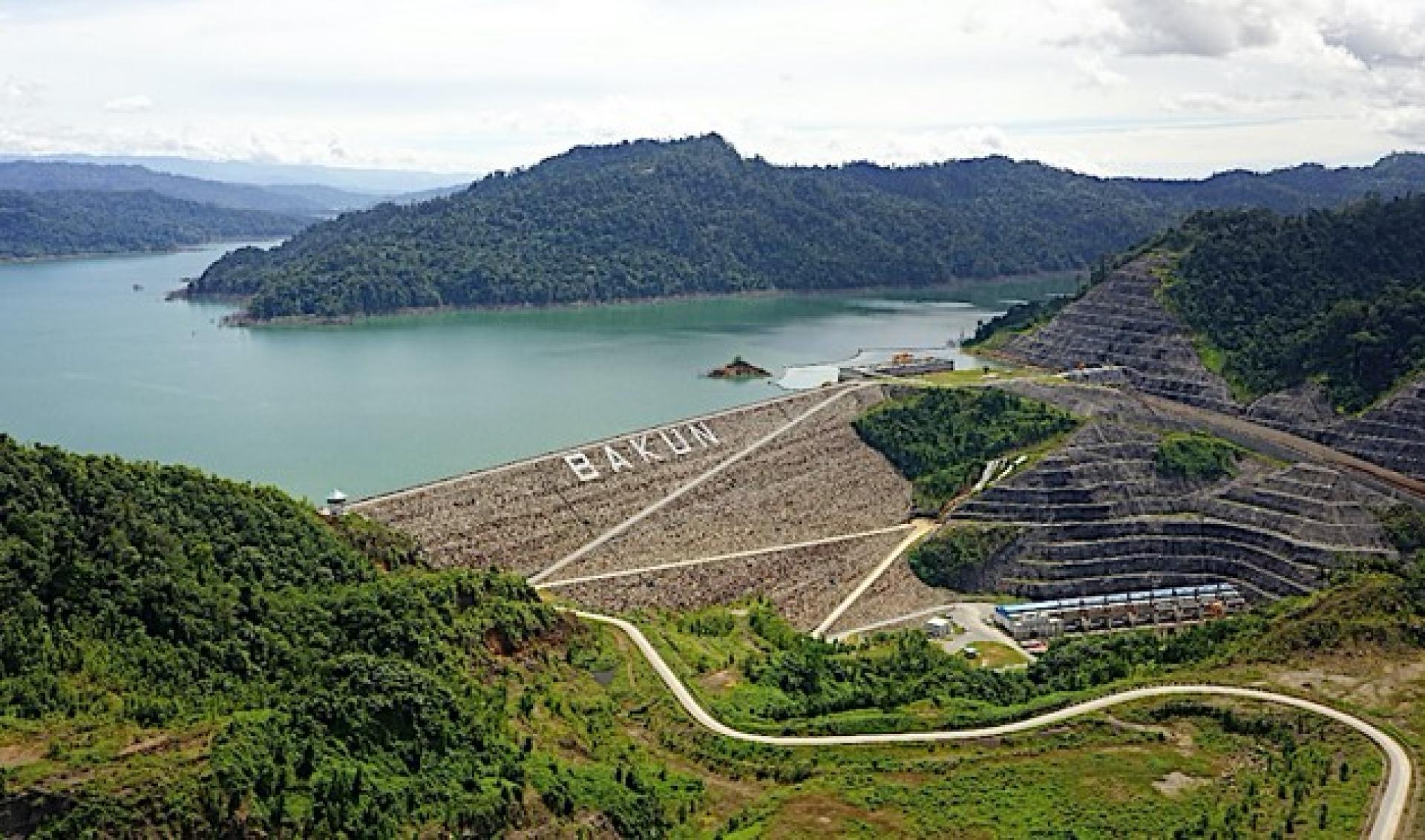
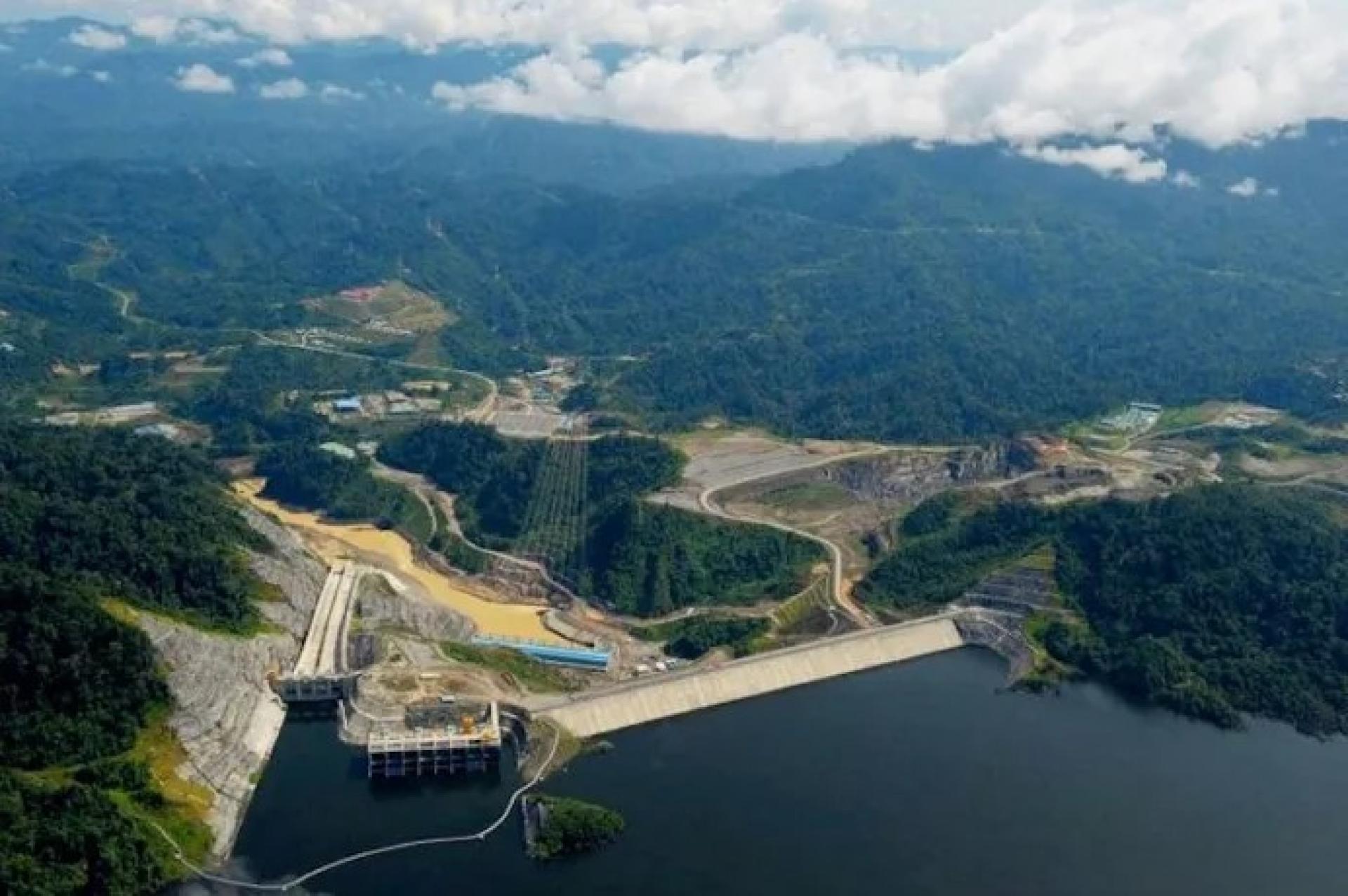
(Kuching, 9th) "The acquisition of the Bakun Hydroelectric Project is part of our overall strategy, aiming to develop and integrate the state's abundant energy resources, enabling Sarawak to have comprehensive long-term control over energy, benefiting our people and the economy." — Sarawak Premier Datuk Patinggi Tan Sri Abang Johari Tun Openg (March 8, 2017) The Bakun Hydroelectric Dam is one of Malaysia's largest energy projects, symbolizing Sarawak's continuously rising energy strength. Under the leadership of Sarawak Premier Datuk Patinggi Tan Sri Abang Johari, its strategic significance has grown exponentially in recent years. To realize Sarawak's vision of empowerment in both economic and political aspects, the state government made a historic decision to bring the Bakun Hydroelectric Dam back into Sarawak's full ownership. This move marks a major milestone for Sarawak in its pursuit of greater autonomy, economic independence, and sustainable development, bringing it closer to becoming the energy hub of the Association of Southeast Asian Nations (ASEAN). The Bakun Dam is located on the Balui River in central Sarawak—a 207-meter-high, 300-meter-wide concrete-faced rockfill dam. Completed and operational since 2011, it has a maximum generating capacity of 2,520 megawatts (MW). From July 12, 2014, it has been in full operation managed by Sarawak Hidro Sdn Bhd (SHSB), a company previously owned by the Malaysian Ministry of Finance. Since then, the Bakun Hydroelectric Dam has consistently supplied 1,771 MW of power to Sarawak's grid.
Acquisition Process
In 2017, Sarawak Energy Berhad (SEB), through its subsidiary Bakun Hydro Power Generation Sdn Bhd, acquired the full ownership and operational control of the Bakun Hydroelectric Project. On August 17, 2017, all parties signed and completed the Share Sale Agreement (SSA) at SHSB's Selangor office, symbolizing a significant breakthrough in Sarawak Energy's strategy to consolidate the state's power generation assets. After the agreement was completed, SEB's wholly-owned subsidiary SEB Power Sdn Bhd purchased 100% equity of SHSB from the Ministry of Finance and the Federal Land Commissioner. The total value of the transaction was RM2.5 billion, with Sarawak Energy also taking on an additional RM5.6 billion in outstanding loans. This enabled Sarawak Energy to have full ownership and operational rights over the Bakun Hydroelectric Dam. For many years, although the Bakun Dam was located within Sarawak, it was under federal control, which to some extent limited Sarawak's ability to fully maximize its potential in energy production and long-term economic planning. As Sarawak has continued to strive for greater autonomy, especially in natural resource management, regaining complete ownership of the Bakun Dam is seen as a key step to securing the state’s energy future.
Powering Sarawak The full acquisition of the Bakun Hydroelectric Dam has far-reaching significance for Sarawak's energy strategy and overall economic development. The hydroelectric dam provides a significant proportion of the state's electricity supply. Now, with full control, the state government can more effectively utilize this energy resource for local development and future growth. Under Abang Johari's leadership, the government has long realized that affordable and stable electricity is a crucial driving force for industrialization. With full ownership of Bakun, Sarawak can maximize its hydropower capability to supply energy to local industries, attract new investments, and reduce its reliance on external energy sources. This is especially important for the development of energy-intensive industries such as manufacturing, petrochemicals, and digital technology, particularly those located in the Samalaju Industrial Park under the Sarawak Corridor of Renewable Energy (SCORE) initiative. The Bakun Hydroelectric Dam, together with the Sejingkat Power Plant, forms a core part of Sarawak Energy's renewable energy mix, playing a vital role in driving regional transformation, sustainable development, and the fulfillment of social and environmental responsibilities. This also reflects Sarawak Energy's commitment to providing communities, industries, and the environment with "affordable, reliable, and sustainable" energy.
巴贡水坝航拍图。 In addition, this acquisition also enhances the advantage of Sarawak’s state-owned energy company, Sarawak Energy, in power distribution, particularly in efficiently channeling electricity to remote areas that previously suffered from inadequate energy supply. This acquisition is not just an economic or energy strategy decision—it is also about empowering the people of Sarawak. With increased control over natural resources, Sarawak can channel energy revenues into socio-economic development projects, such as improvements in healthcare, education, and infrastructure, especially in rural areas. "By taking over Bakun from the federal government, it means we control our own energy and can decide how it is used, including setting electricity prices," Abang Johari pointed out. Following the completion of the asset transfer, the people of Sarawak are currently enjoying the lowest average unsubsidized electricity tariffs in Malaysia and the region. Another key advantage of full Sarawak ownership of the Bakun Hydroelectric Dam is its high compatibility with the state’s green energy and sustainable development goals. Sarawak has set ambitious goals to become a regional clean energy leader, leveraging its abundant natural resources, including hydropower, to develop sustainable, renewable energy. As a hydropower facility, Bakun achieves "zero-emission" clean power generation, greatly helping Sarawak to reduce its carbon footprint and meet its long-term environmental sustainability targets. Under Sarawak management, Bakun will play a central role in fulfilling the Paris Climate Agreement and the state's sustainable development objectives. After the acquisition, Bakun and the Murum Hydroelectric Plant have both been identified as deployment sites for floating solar systems, with planned solar capacities of 500 MW and 600 MW respectively. Abang Johari's push to retake control of the Bakun Hydroelectric Dam also demonstrates Sarawak’s strong pursuit of energy security and political autonomy. With this key piece of infrastructure back in state hands, Sarawak is no longer dependent on the federal government or external companies for meeting its own energy needs, enabling it to formulate energy policies according to its own priorities and to ensure the best possible efficiency and sustainability for its people and industries.
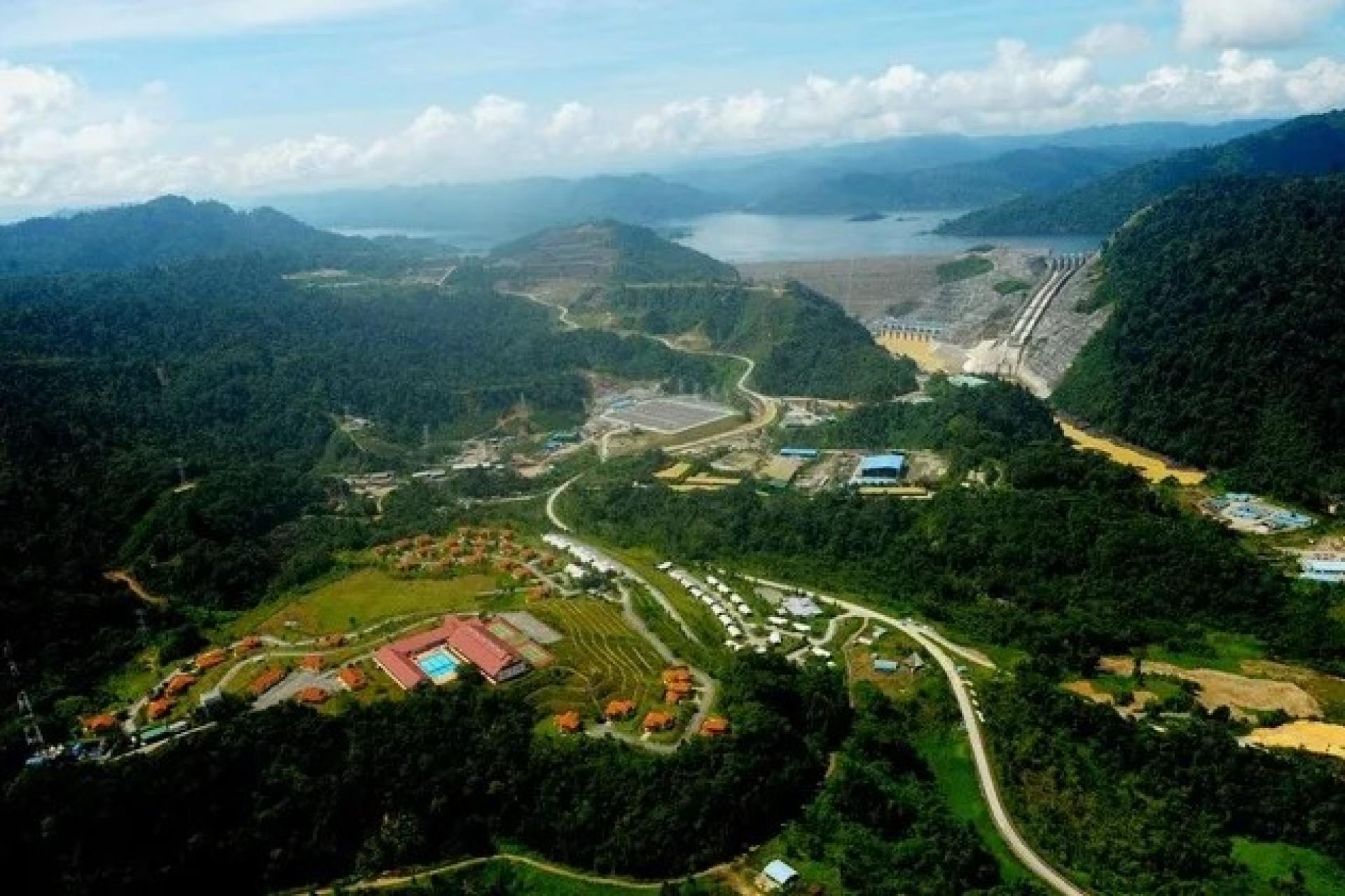
Moving Toward Greater Autonomy Amid global climate change, accelerated energy transition, fuel price volatility, and the growing demand for clean and sustainable energy, energy security is more important than ever. For Sarawak, owning the Bakun Hydroelectric Dam gives the state government complete control over its energy supply, allowing it to manage risks effectively and ensure that economic development is not affected by external interference or dependency. In addition, Abang Johari has consistently advocated for decentralization and local governance, and this move is a concrete reflection of that philosophy. Bringing the Bakun Hydroelectric Dam under full Sarawak control is a key step towards strengthening the state’s political and economic independence—one of the core goals pursued collectively by Sarawak’s leaders for many years. Regaining full ownership of Bakun can be considered one of Abang Johari's most significant achievements in enhancing the state's energy security and economic autonomy. This is just the beginning of a series of important initiatives by Abang Johari to leverage Sarawak’s natural resources and lay the foundation for sustainable development and energy independence. More importantly, this move is highly aligned with Sarawak’s grand vision of building a "green, digital economy" by 2030—developing the future with clean energy and technological innovation. 巴贡水电站航拍图。
This article has been translated using our AI technology. While we strive for accuracy,
AI translations
may contain errors. For the most precise information, please refer to the original article.