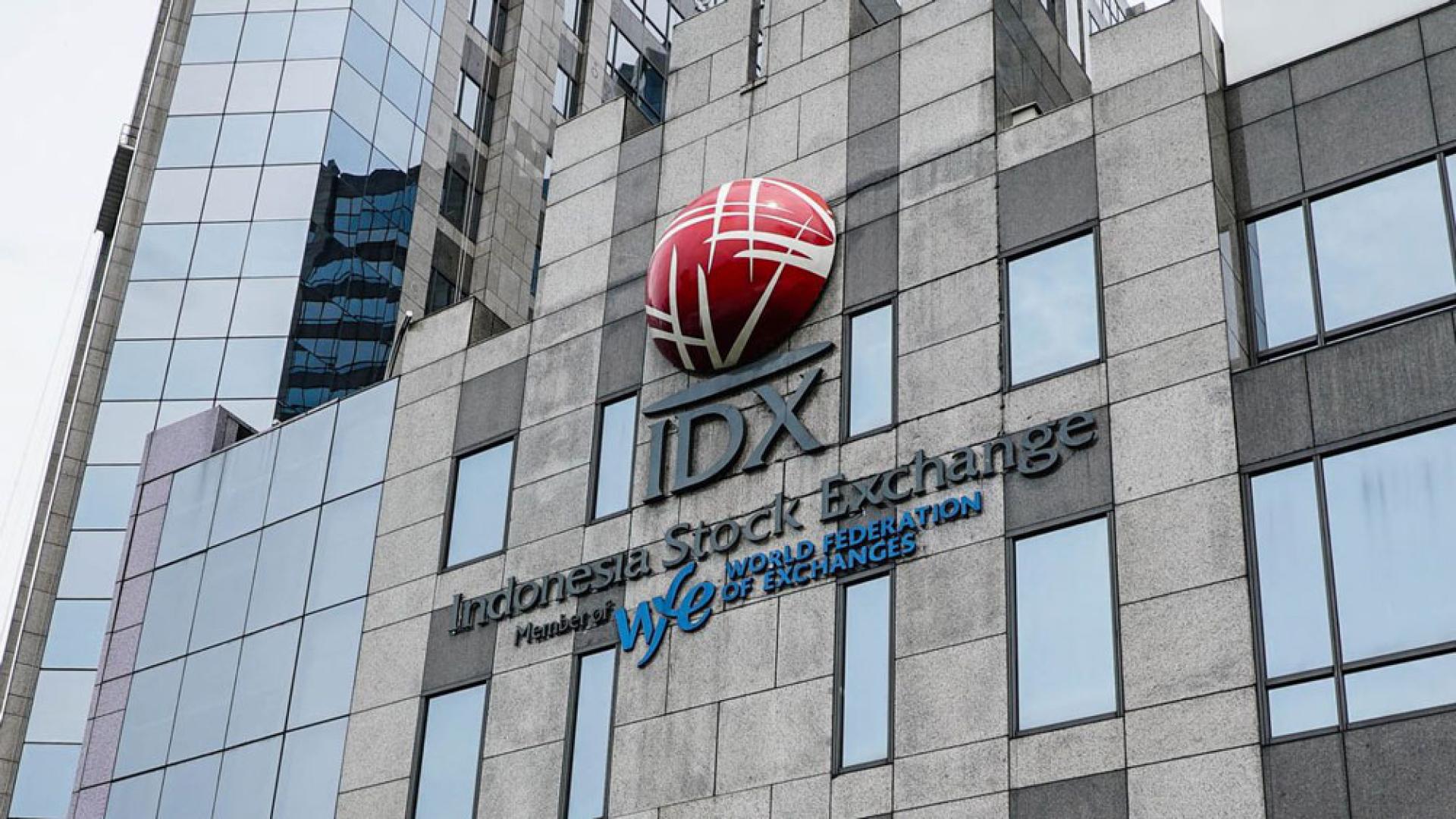
Indonesia's stock market plunged across the board, with the Jakarta Composite Index dropping by more than 8% during midday trading on the morning of the 29th, once again triggering the circuit breaker mechanism and halting market trading for 30 minutes. After trading resumed, the market continued to plummet, with the decline at one point widening to about 10%.
On the previous trading day, the Jakarta Composite Index also fell by more than 8% intraday, marking the largest single-day drop in over nine months and triggering a 30-minute trading halt by the exchange. The index eventually closed at 8,320.56 points, down 7.35% from the previous trading day.
On the 28th, right after the market opened, the Jakarta Composite Index fell sharply by 6.8%, closing at 8,369.48 points. In the second trading session, the decline intensified, with the index plunging to 8,261.79 points at one stage, down about 718 points in total and surpassing an 8% drop, prompting the Indonesia Stock Exchange to launch a temporary trading halt.
It is rare for Indonesia's stock market to fall by more than 8% in a single day. The last occurrence was in 2025, when the market plunged by more than 9% immediately after opening on the first trading day following the Eid al-Fitr long holiday.
The market generally believes that this round of violent fluctuations is closely related to the latest statement from MSCI. On the 27th, MSCI issued a warning regarding its assessment of the free float shares of Indonesian stocks and the market's investability, prompting foreign investors to reassess the investment value of Indonesia's stock market. Investor sentiment has clearly come under pressure, leading to broad-based sell-offs across multiple sectors.
The issue of free float shares has long been seen as a structural weakness in Indonesia's capital market. According to Bloomberg, more than 200 constituent stocks in the Jakarta Composite Index have a free float share ratio of less than 15%, which is seen as potentially weakening the index's representativeness and increasing market risk.
The Indonesia Stock Exchange issued a statement saying that MSCI's feedback is an important reference for improving market governance and transparency, and that the exchange will continue to maintain communication with MSCI.