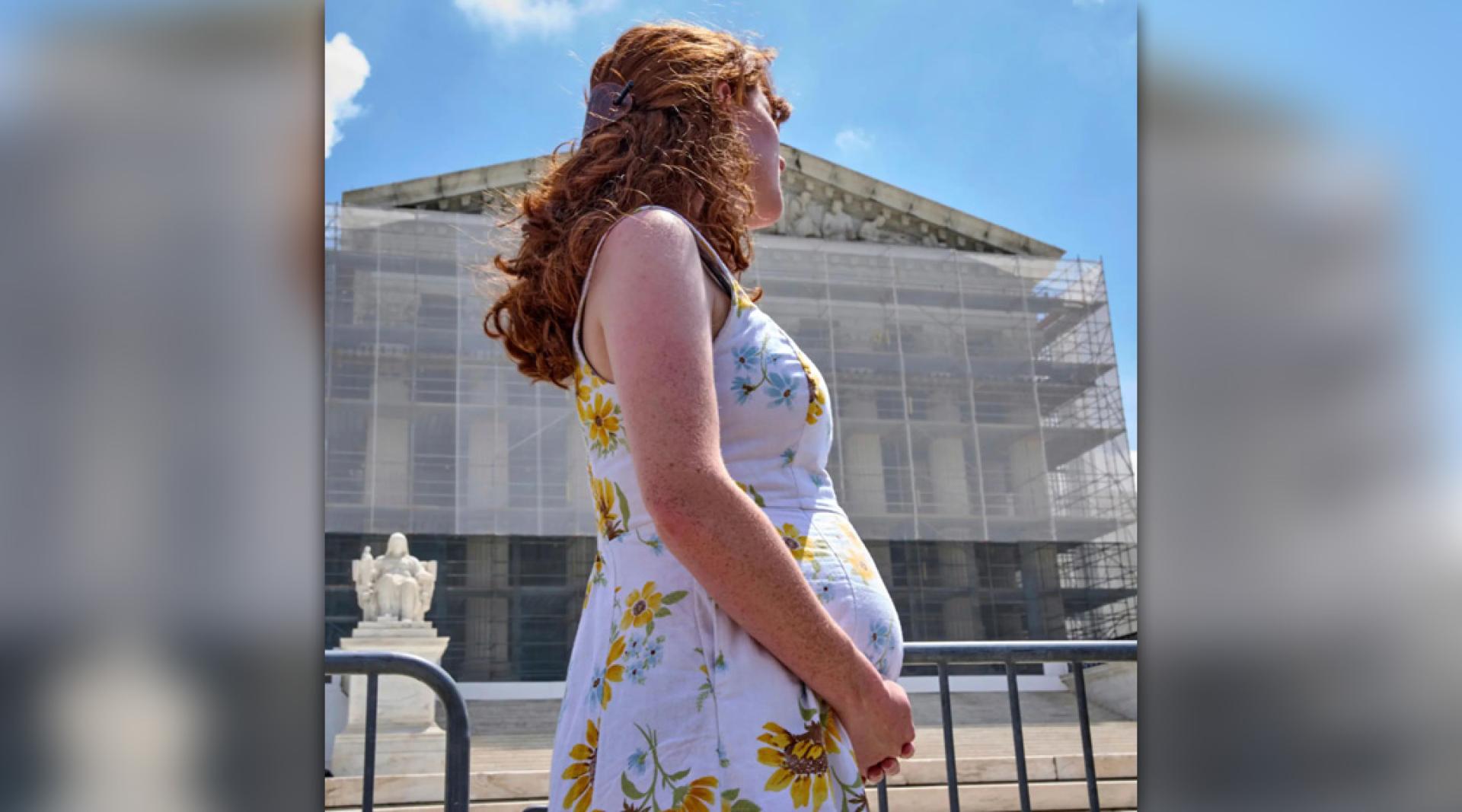
On the 6th, U.S. President Trump signed two executive orders aimed at tightening the scope of birthright citizenship and intensifying efforts to combat so-called birth tourism to the United States.
According to the executive order text released by the White House, the first executive order lists certain specific categories of foreign nationals whose children born in the U.S. are not eligible for birthright citizenship, such as children of members of hostile foreign powers (including those recognized as foreign terrorist organizations by the U.S. government), children of foreign diplomatic personnel working in the United States, children of individuals participating in birth tourism, and children born through commercial surrogacy within U.S. territory.
The second executive order targets birth tourism in which foreigners come to the United States to give birth so that their newborns can obtain U.S. citizenship. The executive order states that the U.S. Secretary of State and Secretary of Homeland Security should take necessary actions and issue new regulations and guidelines to curb giving birth in the U.S., including denying visas to those attempting to come to the U.S. to give birth, revoking visas for foreigners who enter or attempt to enter the U.S. for the purpose of birth tourism, and refusing entry or deporting foreigners who have participated in or plan to participate in birth tourism, among others.
This marks the second time in Trump’s presidential tenure that he has attempted to restrict birthright citizenship. After returning to the White House in January 2025, Trump signed an executive order stipulating that newborns whose parents are neither U.S. citizens nor lawful permanent residents cannot automatically obtain U.S. citizenship. On June 30th of this year, the U.S. Supreme Court issued a ruling overturning this executive order.
According to U.S. media reports, Trump’s latest executive orders are also very likely to be challenged in court, since the 14th Amendment of the U.S. Constitution stipulates that all persons born or naturalized in the United States and subject to its jurisdiction are citizens of the United States.