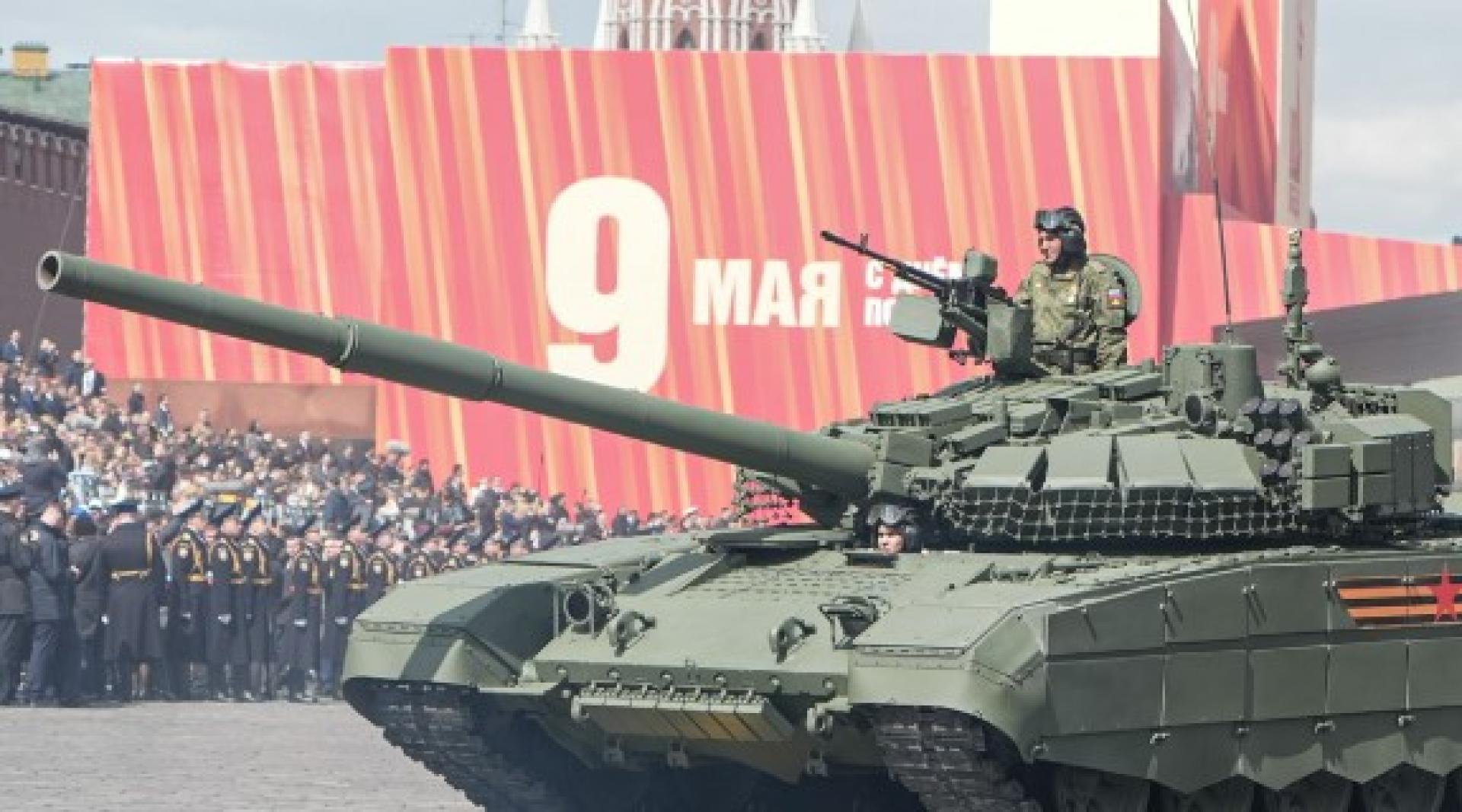
(Stockholm, 1st) – Researchers from the Stockholm International Peace Research Institute (SIPRI) noted that sales from the world’s top 100 arms manufacturers reached a record $679 billion last year. While the wars in Russia-Ukraine and Gaza have driven up arms demand, production issues have also hampered delivery progress.
According to Agence France-Presse, this figure represents a 5.9% increase from the previous year. SIPRI's latest report shows that from 2015 to 2024, revenues of the global top 100 arms dealers grew by 26%.
SIPRI Military Expenditure and Arms Production Program researcher Dr. Skarazato stated: “Manufacturers seized the business opportunities brought by high demand, and global arms sales last year reached the highest level since SIPRI's records began.”
Researcher Ricard, who participated in the same program, said: “The momentum of arms sales growth mainly comes from Europe, but growth was seen in all regions except Asia and Oceania.”
Ricard indicated that increased European demand relates to the Russia-Ukraine war and the “sense of threat from Russia” felt by European countries.
According to SIPRI, Ukraine’s demand for weapons, as well as countries supporting Ukraine procuring more weapons to replenish stocks, has sustained global demand for arms.
Ricard added that many European countries now hope to expand and modernize their armies, “which will further drive market demand.”
Among the world's top 100 arms dealers, 39 are headquartered in the United States, including Lockheed Martin, Raytheon Technologies (RTX), and Northrop Grumman.
Total revenue of U.S. arms dealers reached $334 billion in 2024, up 3.8%, accounting for about half of the total revenue of the world’s top 100 arms companies.
The report’s authors pointed out that several key U.S.-led military projects are facing issues of budget overruns and delays, including the F-35 fighter jet and Columbia-class submarine.
Furthermore, the 26 European arms dealers in the global top 100 saw their total revenues grow by 13% to $151 billion.
Czechoslovak Group’s revenue surged 193%, the largest increase among the world's top 100 arms dealers, reaching $3.6 billion. The company benefited from the “Czech ammunition initiative” supplying artillery ammunition to Ukraine.
However, according to SIPRI, European arms manufacturers have also faced difficulties responding to the demand surge, as sourcing raw materials has become increasingly challenging.
The report’s authors mentioned that before 2022, Airbus and French engine giant Safran obtained half their titanium from Russia and are now forced to find new suppliers.
French company Thales and Germany’s Rheinmetall, among others, have warned that China’s export controls on critical minerals could raise costs as they restructure supply chains.
Russia’s Rostec and United Shipbuilding Corporation are also among the world’s top 100 arms dealers, with combined revenues up 23% to $31.2 billion.
Revenue of Chinese Arms Dealers Drops Significantly
Asia and Oceania was the only region to see an overall decline in revenue; the 23 companies in this region reported a combined revenue decrease of 1.2% to $130 billion.
The report said that situations vary across Asia, but the main reason for the revenue decline was a significant drop in the income of Chinese arms companies.
SIPRI senior researcher Tian Nan stated: “A series of corruption allegations over Chinese weapons procurement have caused major arms contracts in 2024 to be delayed or canceled, adding uncertainty to China’s military modernization plans.”
Israeli Weapons in High Demand
By contrast, driven by European demand, Japanese and South Korean arms manufacturers saw revenue growth.
Nine Middle Eastern companies made it into the global top 100 arms firms, with combined revenues of $31 billion. Of this, the three Israeli arms companies accounted for more than half, with combined revenue growing 16% to $16.2 billion.
SIPRI researcher Carin said that despite growing public discontent over Israel’s military actions in Gaza, this has had almost no impact on countries’ interest in purchasing Israeli weapons.