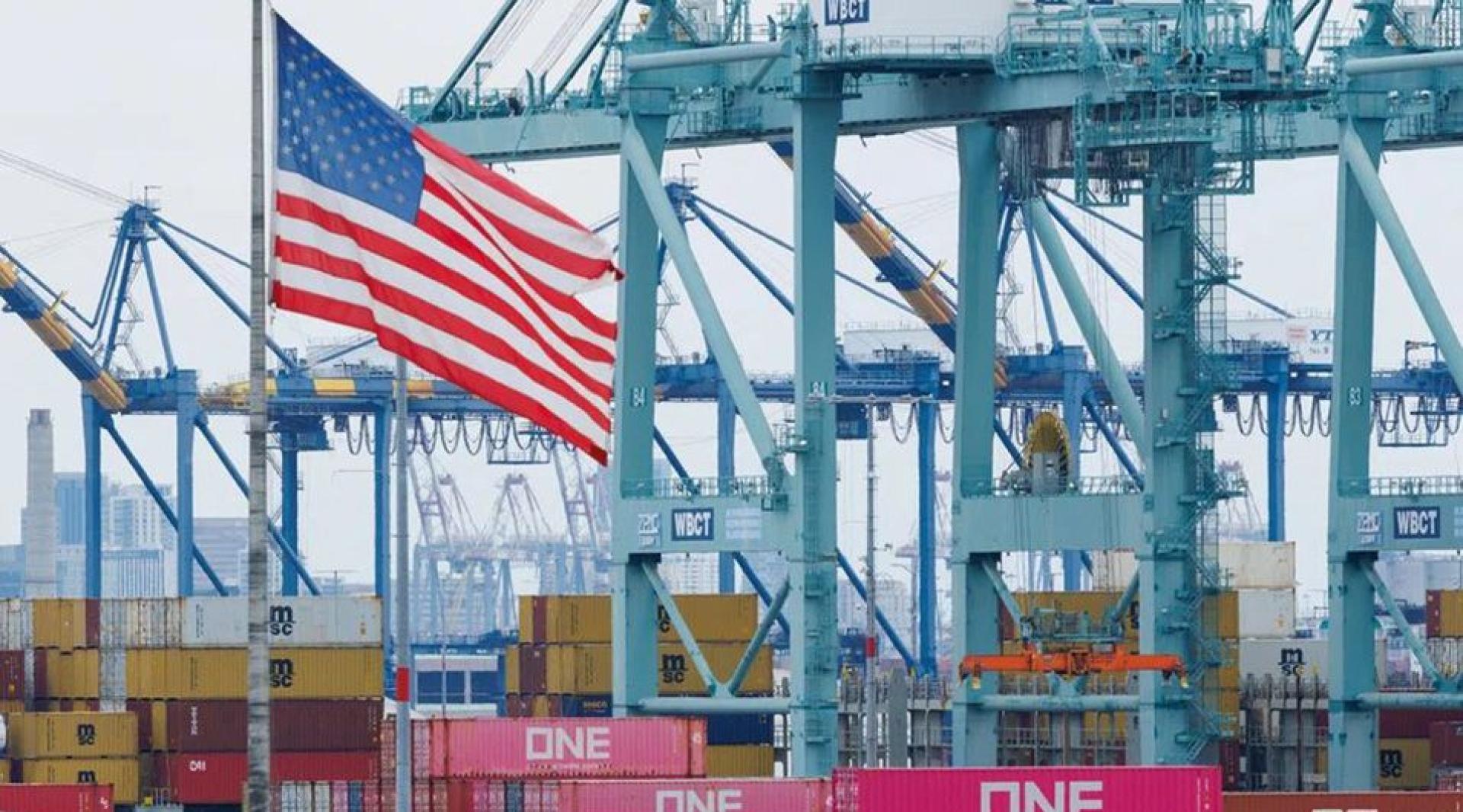
According to the United States' new Section 301 tariff measures, Malaysia and two other ASEAN countries, namely Cambodia and Indonesia, will be subject to the minimum tariff rate of 10%.
US Trade Representative Katherine Tai announced this measure in Washington on Thursday, stating that the Office of the United States Trade Representative is acting in accordance with President Trump’s instructions. Based on Section 301 of the Trade Act of 1974, the final action will impose tariffs on 60 economies because they have failed to implement and effectively enforce regulations prohibiting the importation of goods produced by forced labor.
"After conducting an investigation, the Office of the United States Trade Representative has officially taken this action today. The investigation included holding two rounds of public hearings, receiving more than 2,100 public comments, and engaging in consultations with trade partners to resolve these long-standing issues."
Tai added that this measure will also improve the welfare of workers globally, and rectify human rights violations and trade-distorting practices.
"Some trade partners have acted swiftly to introduce forced labor import bans, and I am encouraged by these actions. I look forward to ensuring the effective enforcement of these regulations."
The Office of the United States Trade Representative states that, for economies that have implemented forced labor product import bans, or have committed to implementing and enforcing such bans under a reciprocal trade agreement (ART), or have adopted partial mechanisms to prevent imports of specific forced labor goods, the agency considers a Section 301 tariff rate of 10% to be appropriate, and the applicable rate is 10% after deducting the most-favored-nation (MFN) tariff for specific economies.
As for all other economies, the US Trade Representative deems a Section 301 tariff rate of 12.5% to be appropriate, and for specific economies, the rate is 12.5% after deducting the MFN tariff.
The Trade Representative has also decided, where feasible, to establish tariff quotas for Bangladesh, Cambodia, Indonesia, and Malaysia based on their imports of US raw materials. This is to encourage these economies to import US cotton and textiles, thereby reducing their reliance on sources of inputs more likely to involve forced labor. #