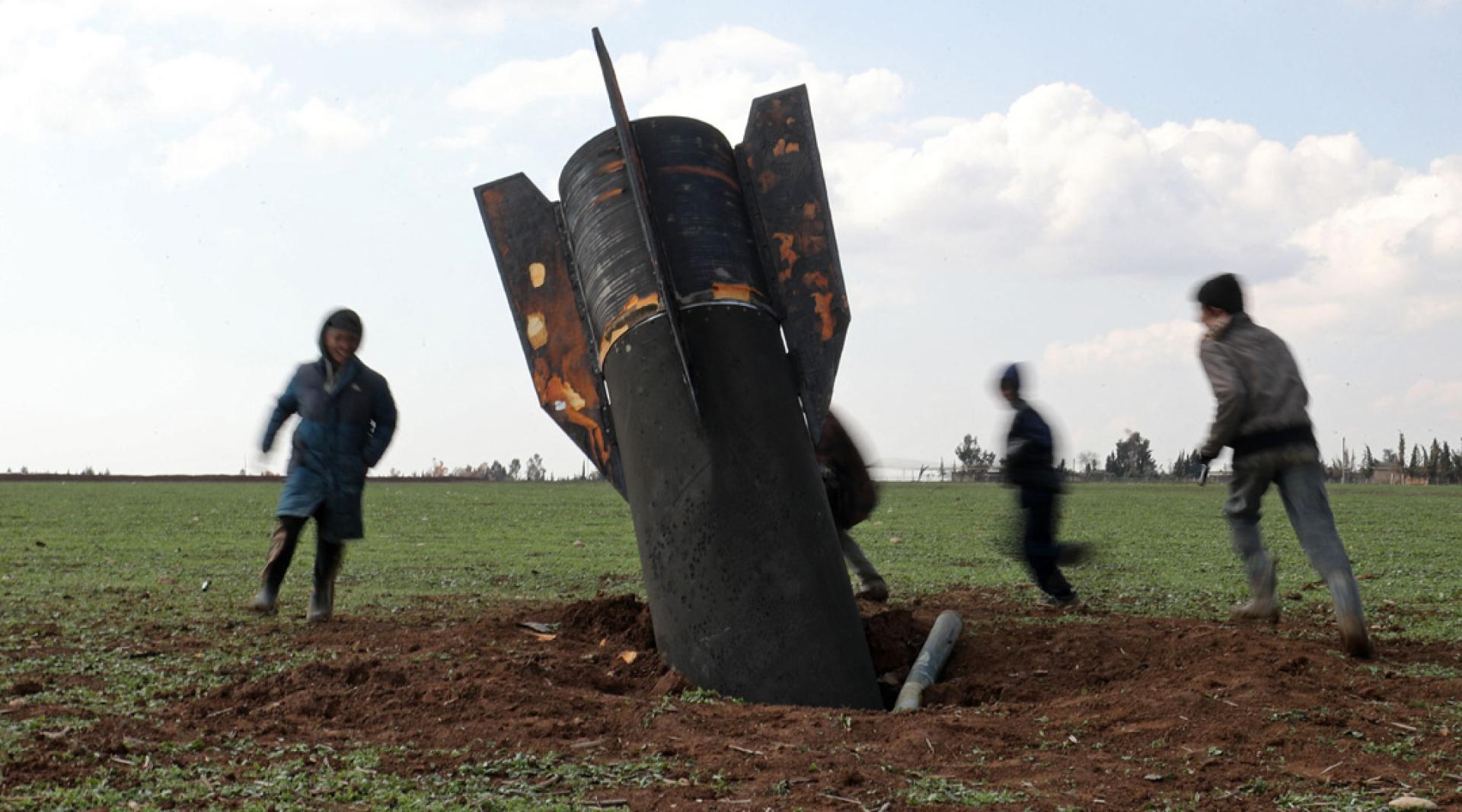
The conflict in the Middle East continues. On the 6th, a Singaporean scholar in international politics and economics told CNA that while the immediate security impact on Southeast Asia is limited, the region must remain vigilant due to persistent risks of unconventional retaliatory actions. At the same time, this conflict reflects the resurgence of great power politics, making international economic cooperation more difficult and posing potential risks to regions such as Southeast Asia.
According to CNA, Singapore's National University Lee Kuan Yew School of Public Policy Dean and international political economy scholar Liao Zhenyang addressed the impact of the Middle East conflict on regional political and economic situations in an interview with the agency. He said the security impact on Southeast Asia does not appear immediate, and there are currently no Southeast Asian countries being listed by the Trump administration as targets for “regime change” or so-called “decapitation strikes”.
Nonetheless, Liao Zhenyang pointed out that the Southeast Asian region should remain alert, as Iran, when driven to desperation, may seek to strike its opponents with unconventional means. Iran’s retaliatory attacks have already resulted in so-called “collateral damage.”
As the U.S. and Israel jointly attack Iran and the conflict spreads throughout the Middle East, a U.S. submarine sank an Iranian warship off the coast of Sri Lanka. Liao Zhenyang said such developments bring the conflict closer to the region where Southeast Asia is located. On the economic front, the most direct impact is, of course, energy prices, as well as each country’s ability to acquire crude oil and liquefied natural gas (LNG).
“This conflict also reflects the resurgence of great power politics, bringing instability to the global environment and making multilateralism even more difficult to function,” Liao Zhenyang remarked. In such circumstances, economic cooperation between countries is not impossible, but it has indeed become more difficult.
Facing the chain reaction sparked by the Middle East conflict, Singapore’s Foreign Minister Vivian Balakrishnan recently pointed out that escalated attacks targeting non-belligerent countries—including attacks aimed at civilian and energy infrastructure—are unacceptable.
Nonetheless, Liao Zhenyang pointed out that the Southeast Asian region should remain alert, as Iran, when driven to desperation, may seek to strike its opponents with unconventional means. Iran’s retaliatory attacks have already resulted in so-called “collateral damage.”
As the U.S. and Israel jointly attack Iran and the conflict spreads throughout the Middle East, a U.S. submarine sank an Iranian warship off the coast of Sri Lanka. Liao Zhenyang said such developments bring the conflict closer to the region where Southeast Asia is located. On the economic front, the most direct impact is, of course, energy prices, as well as each country’s ability to acquire crude oil and liquefied natural gas (LNG).
“This conflict also reflects the resurgence of great power politics, bringing instability to the global environment and making multilateralism even more difficult to function,” Liao Zhenyang remarked. In such circumstances, economic cooperation between countries is not impossible, but it has indeed become more difficult.
Facing the chain reaction sparked by the Middle East conflict, Singapore’s Foreign Minister Vivian Balakrishnan recently pointed out that escalated attacks targeting non-belligerent countries—including attacks aimed at civilian and energy infrastructure—are unacceptable.