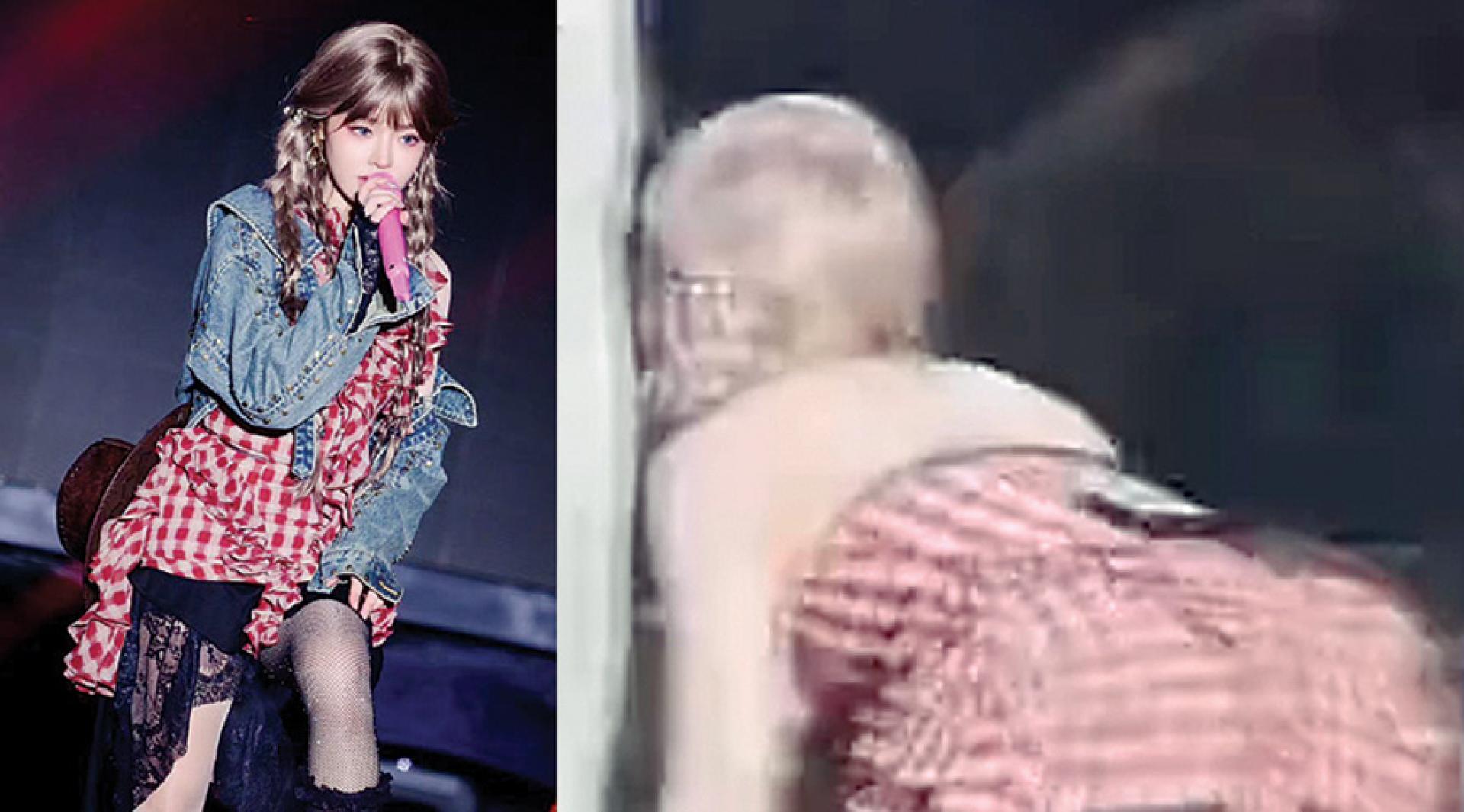
On June 9th, Chinese singer Huang Xiaoyun suddenly fainted during the curtain call of her concert in Suizhou, Hubei. Her studio officially confirmed the following day that the cause was a recurrence of benign paroxysmal positional vertigo (BPPV) triggered by long-term high-intensity work, and she is now under mandatory rest.
That night, after performing as the final act at the “Tracing Roots in Suizhou · Shining Stars” concert and singing nine consecutive high-difficulty songs, Huang collapsed to the ground during the group photo at the curtain call, feeling her legs suddenly give way. She remained conscious but was unable to stand and had to be assisted offstage by staff. After returning to the hotel lobby, she fainted again, and her team immediately sent her to the hospital for treatment. In the 24 hours preceding the incident, she had just completed the recording of the variety show "The Gift of Sound" late into the night, then traveled nearly 1,000 kilometers overnight to Suizhou, experiencing severe lack of sleep and irregular meals. Combined with recent consecutive nights spent creating music and traveling back and forth for performances, her body has been severely overdrawn.
Huang Xiaoyun had already faced multiple health warnings before: After suffering facial injuries in a car accident in 2024, she attended a film premiere in a wheelchair to perform despite her injuries; at her first stadium concert in 2025, she persevered through the show despite having pharyngitis, which led to chronic health issues; long-term late nights have resulted in autonomic nervous system disorder, causing persistent fatigue and occasional dizziness.
Within the industry, there is a prevalent professional creed that prioritizes stage performance over personal health. Huang Xiaoyun once admitted, "I must exhaust every part of myself to present all that I am and my heart." This mindset is commonly regarded as "professional spirit" in the industry. Dense “death schedules” in artist contracts further shrink recovery time. Most performance contracts lack health protection clauses, and medical teams are often absent at events that are not top-tier galas. After her recent collapse, onsite emergency care relied only on staff members, with a lag in professional medical response. Out of fear of “breach of contract penalties” and “loss of opportunities,” entertainers often choose to work while sick, leading to a vicious cycle.