On the 5th, the United Nations held an event to commemorate nearly 4,500 peacekeepers who have lost their lives over the years in UN peacekeeping operations and to observe the International Day of United Nations Peacekeepers on May 29.
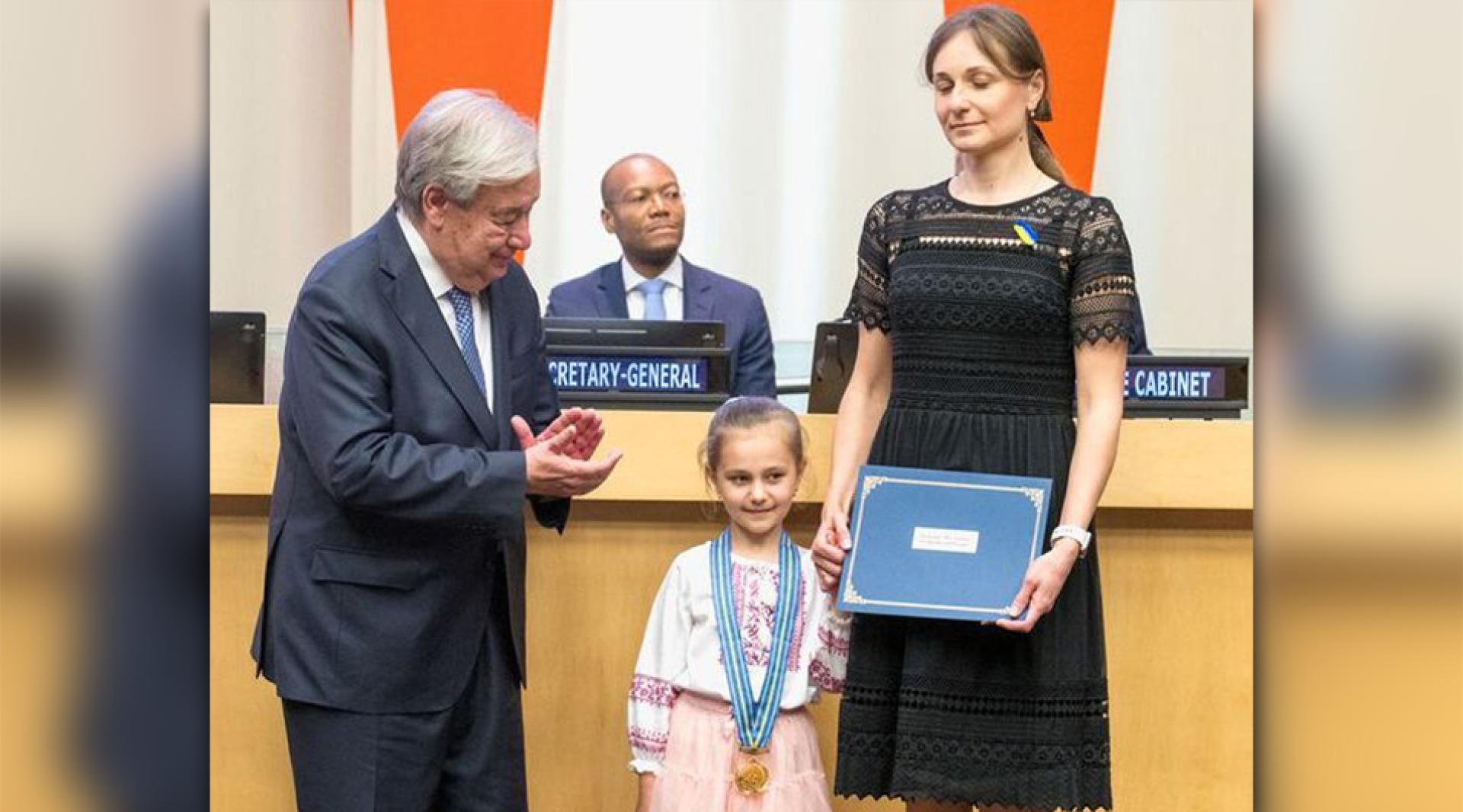
UN Secretary-General António Guterres laid a wreath in front of the Peacekeepers Memorial on the North Lawn at the UN Headquarters in New York and then attended the medal presentation ceremony.
Guterres posthumously awarded the Dag Hammarskjöld Medal to 68 fallen peacekeepers, including 59 who died in 2025. He presented the 2025 Gender Advocate Award to an Indian female officer serving in the United Nations Interim Force in Lebanon, and the Annual Distinguished UN Female Police Officer Award to a German female police officer serving in the United Nations Mission in South Sudan. In addition, Guterres posthumously awarded the Captain Mbaye Diagne Medal to a Ukrainian peacekeeper who perished, and presented this medal to a Uruguayan peacekeeper.
The late Ukrainian helicopter crew contractor, Prykhodko, died during a high-risk airborne evacuation mission for the United Nations Mission in South Sudan.
In his speech at the medal ceremony, Guterres said that more than 50,000 peacekeepers are currently deployed around the world, dedicated to protecting the safety of civilians. Peacekeepers curb violence, facilitate political solutions, support elections, provide humanitarian aid, and clear landmines. They risk their lives and display admirable courage. Globally, the UN Blue Helmets are a symbol of hope for communities in their darkest hours. UN peacekeeping operations are among the most effective measures for the international community to respond to conflict.
According to information released by the United Nations, since 1948, more than 2 million UN peacekeepers have participated in 71 UN peacekeeping operations. At present, over 50,000 peacekeepers are engaged in 11 UN missions, with 115 countries contributing military and police personnel.