In Afghanistan, where women's rights are severely stripped away, a mother attempted to help her pregnant daughter abort by pressing a heavy stone onto the girl's abdomen. This tragedy is just the tip of the iceberg, highlighting the desperate situation Afghan women face under strict abortion bans, pushing them to resort to extreme measures.
When Bahara, an Afghan woman, was four months pregnant, she went to a hospital in the capital Kabul begging for an abortion. A doctor there told her: "We’re not allowed to do this. If anyone finds out, we’d all be thrown in jail."
In Afghanistan, abortion is illegal, and both receiving and assisting with an abortion could land people in prison.
But Bahara was at her wits’ end. Her unemployed husband had ordered her to "find a way," because he did not want a fifth daughter.
The 35-year-old Bahara told AFP: "These days, we can barely feed these girls. If it was a boy, he could go to school, he could work."
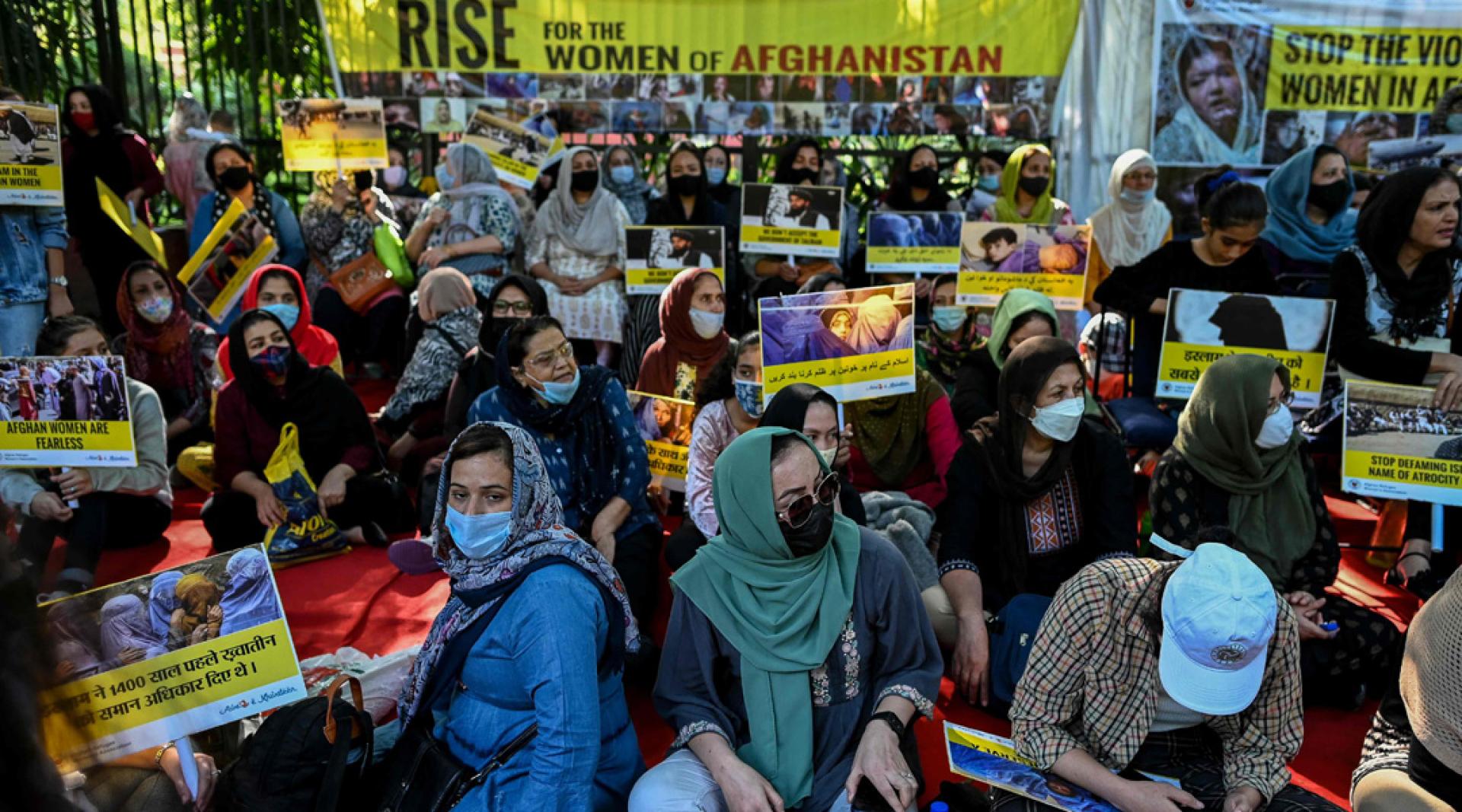
But for Afghan girls, these are mere luxuries. Since the Taliban regained power in 2021, women have been banned from attending secondary school, university, and most forms of employment.
So, following her neighbor's advice, Bahara spent the equivalent of $2 (about 8 ringgit) at the market on an herbal tea made from plants in the mallow family, which can induce contractions.
Bahara’s bleeding became so severe that she had to return to the hospital. She said: "I told them that I had fallen, but they knew I was lying because I had no injuries. They were angry, but they didn’t report me."
She said: "They performed surgery to remove the remains of the fetus. Since then, I’ve felt extremely weak."
Mayandra, an ethnobotanist at California State Polytechnic University, Pomona, said that the plant Bahara used could be "very dangerous," and incorrect dosages could cause organ damage and severe bleeding.
However, Bahara's case is not an isolated one.
During AFP’s months-long investigation, two other women interviewed also risked their lives. Nisa took pills toxic to embryos, while Maryam was induced to miscarry when her mother pressed a heavy stone on her abdomen.
Because abortion is taboo in Afghanistan and there is no real statistical data, Ministry of Health spokesperson Amar insists that very few women are affected.
Afghanistan has one of the world's highest maternal and infant mortality rates. Since last year, young women have been banned from receiving midwife or nursing training in medical schools.
Although Amar admitted to the dangers of clandestine abortions, and admitted some women face “problems,” he argued that the government is not at fault. (News Source: Central News Agency)