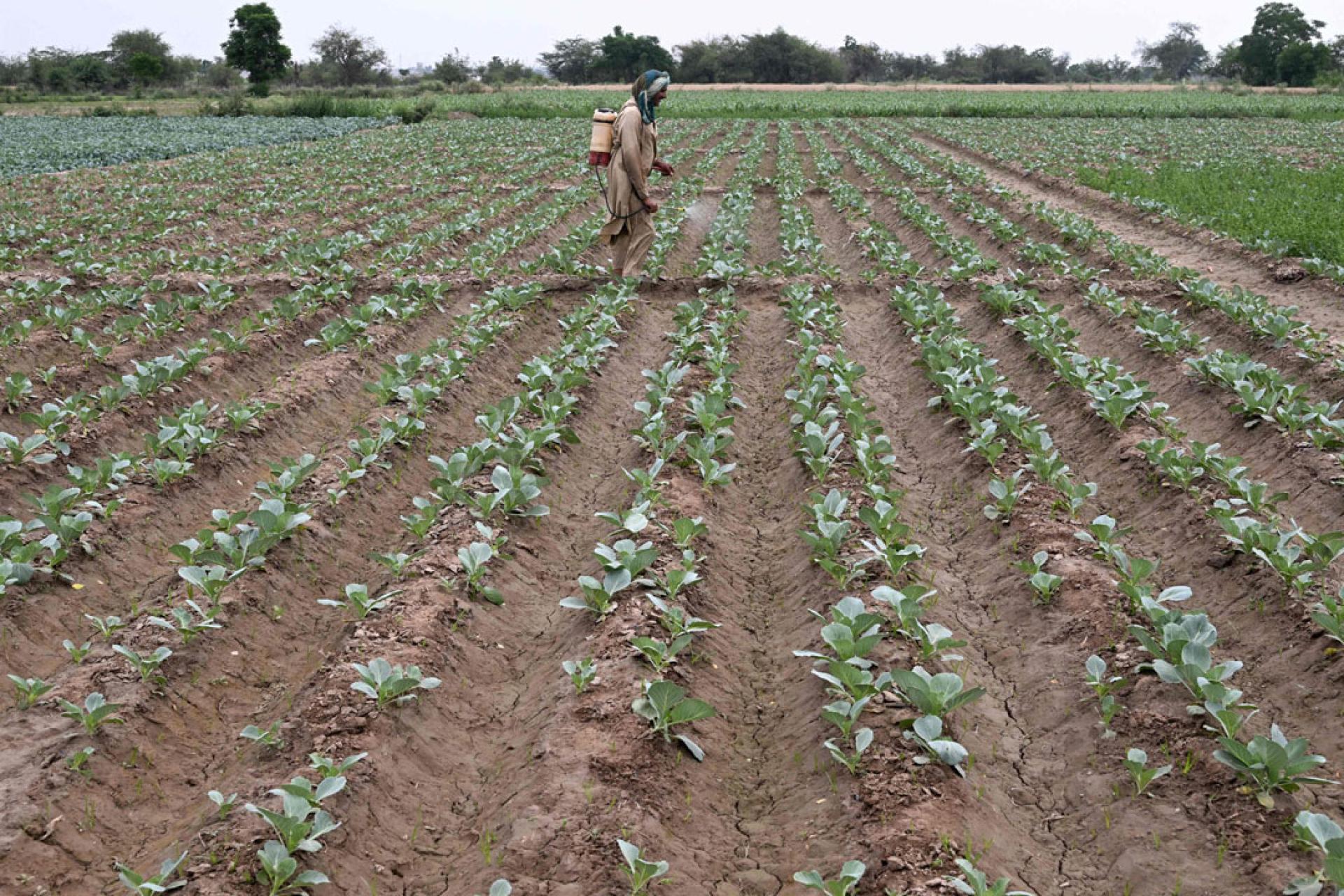
The Food and Agriculture Organization (FAO) and the World Meteorological Organization (WMO) jointly released a report on the 22nd, pointing out that extreme heat events are seriously impacting the global agriculture and food systems, threatening the livelihoods and health of more than 1 billion people.
FAO Director-General Qu Dongyu stated that this study shows extreme heat, as a major risk amplifier, is placing increasing pressure on crops, livestock, fisheries, forests, as well as the communities and economies that depend on these resources.
The report, titled "Extreme Heat and Agriculture," points out that over the past half-century, the frequency, intensity, and duration of extreme heat events have risen significantly, impacting agricultural and food systems and natural landscapes. For those engaged in agriculture, extreme heat can even be fatal.
According to a news release from FAO, extreme heat refers to day and night temperatures that remain above the normal range for extended periods, causing physiological stress and direct harm to food crops, livestock, fish, trees, and humans.
The report also analyzes how extreme heat amplifies risks such as drought, wildfires, and the spread of pests and diseases. For example, in the spring of 2025, some areas in the Fergana Mountains of Kyrgyzstan experienced prolonged periods with temperatures about 10°C higher than usual, leading to locust outbreaks and aggravating moisture evaporation. This resulted in a decline in irrigation capacity and ultimately reduced local grain yields by 25%.
The report calls for more effective measures to cope with extreme heat, such as selective breeding, adjusting crop varieties, changing planting times, and optimizing management practices.