Eating Lei Cha on the Human Day to Celebrate Reunion: Hakka Traditional Customs Passed Down Through Generations
Published atFeb 23, 2026 04:12 pm
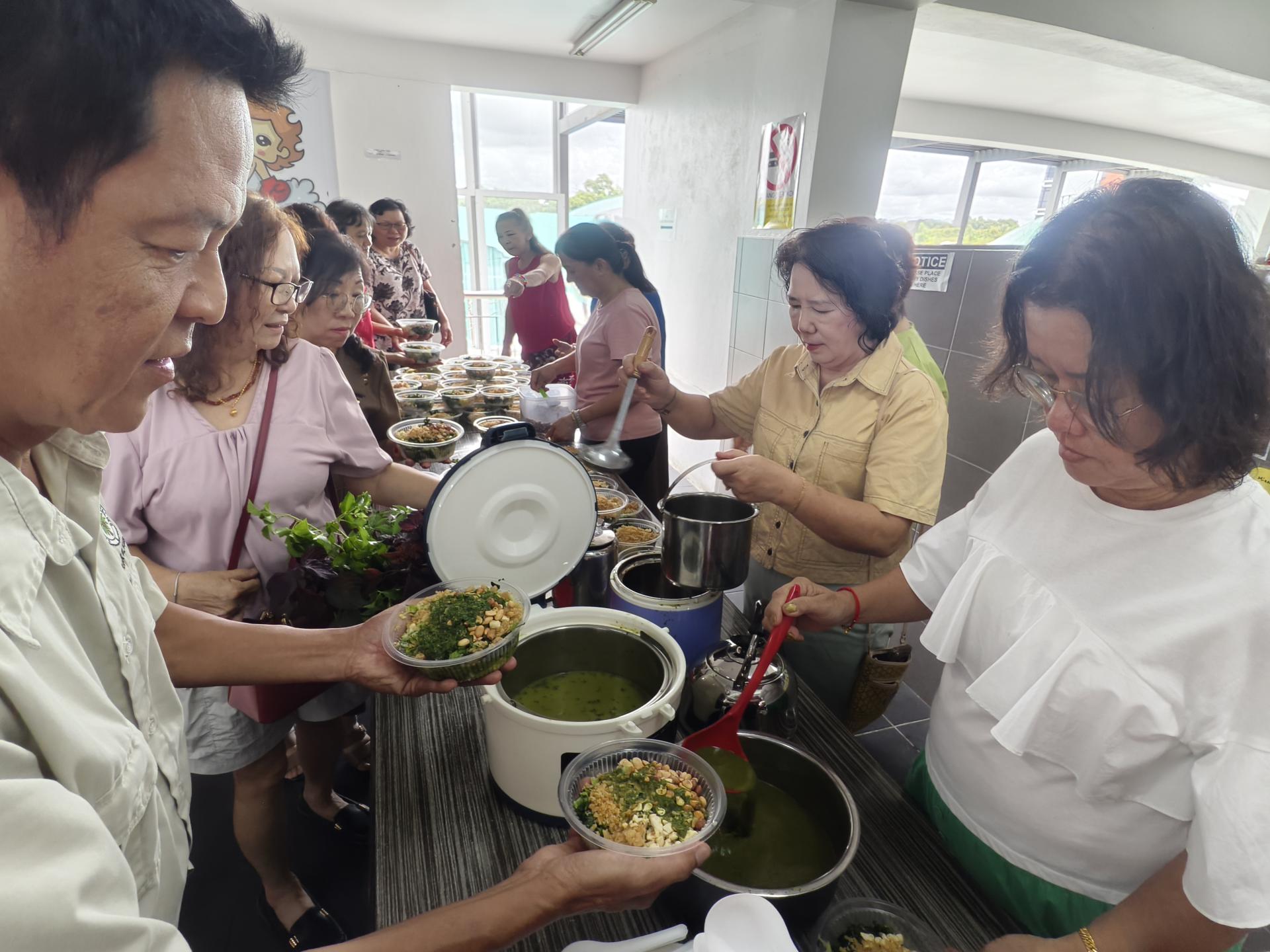
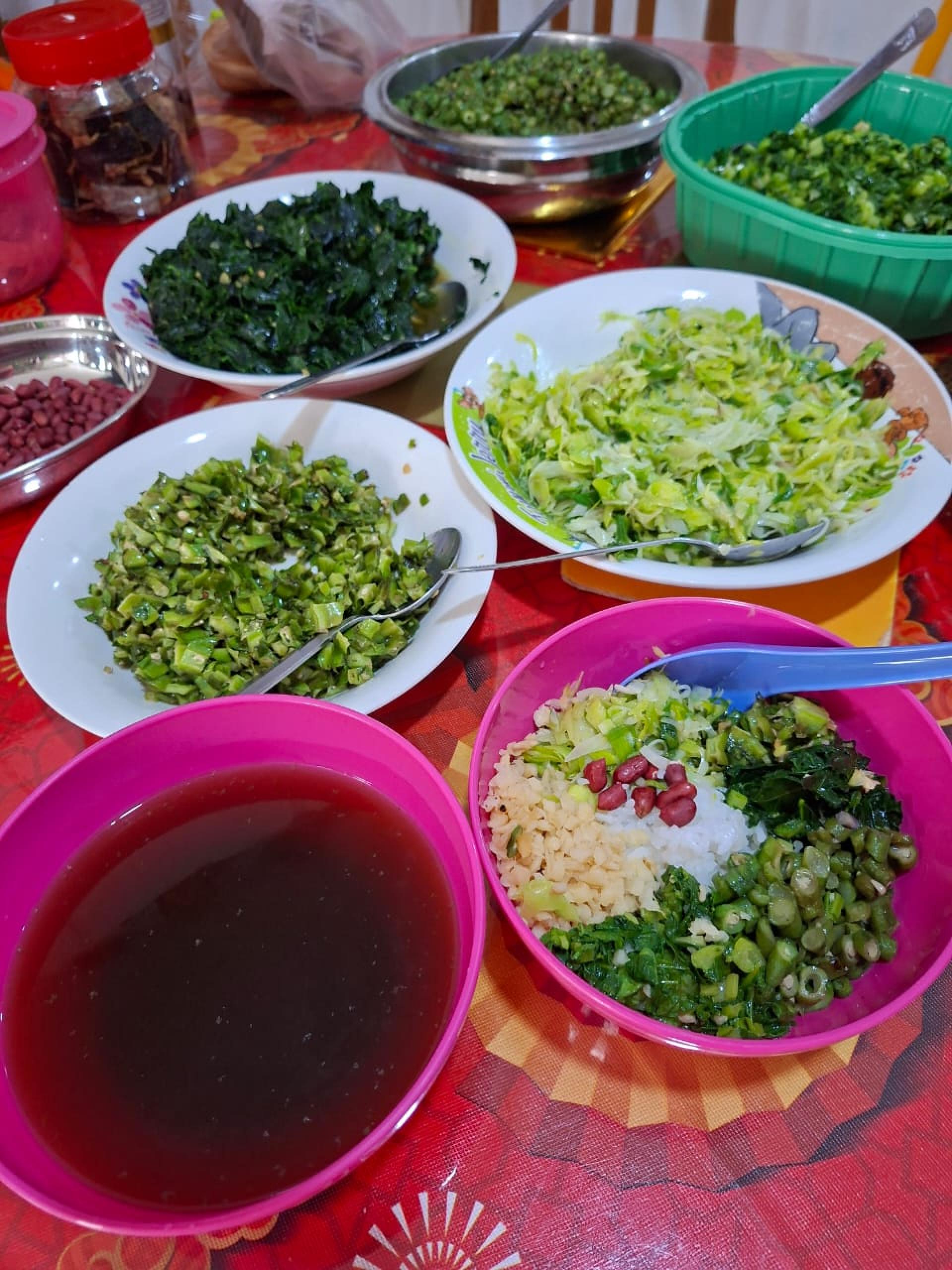
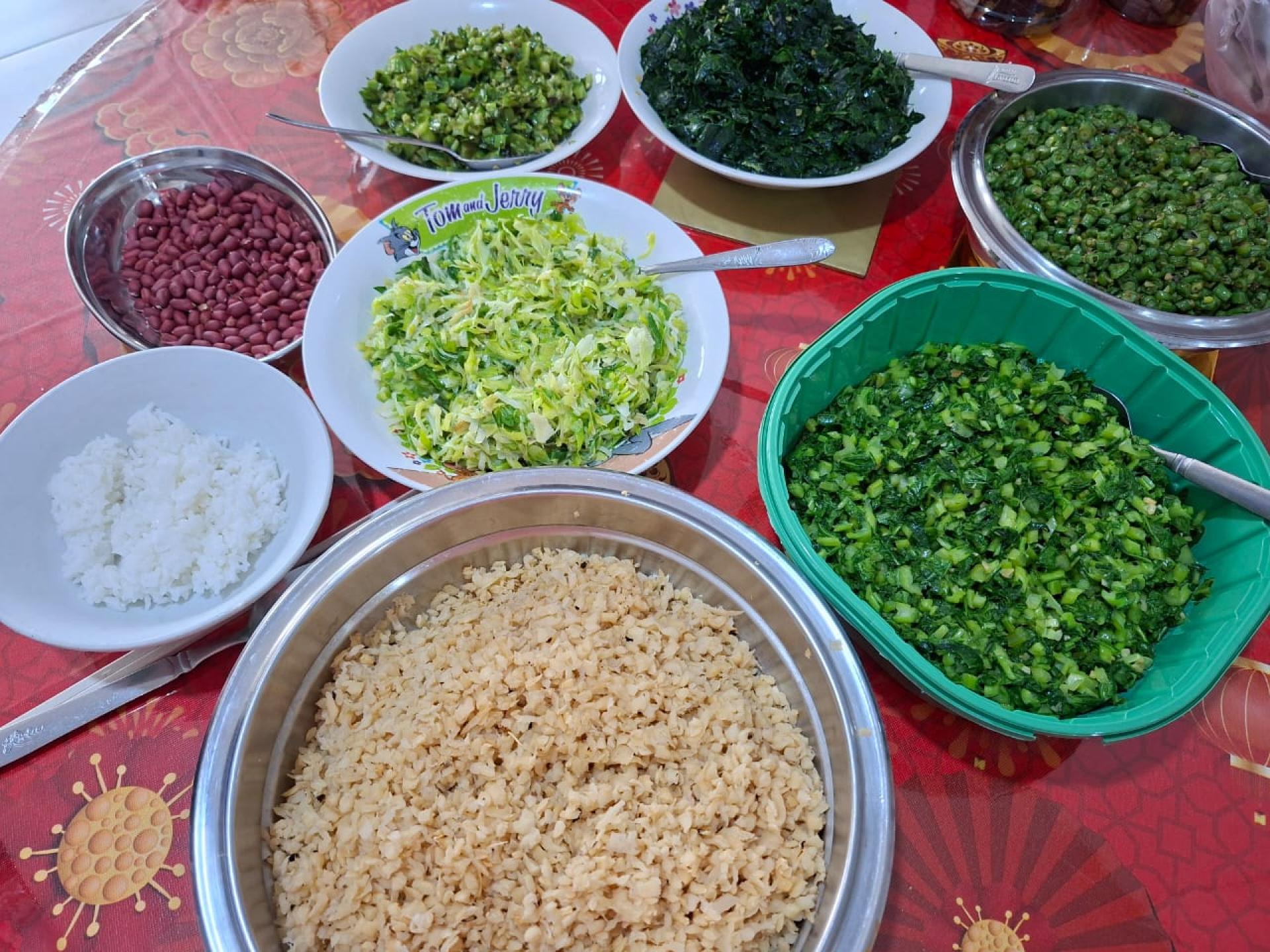
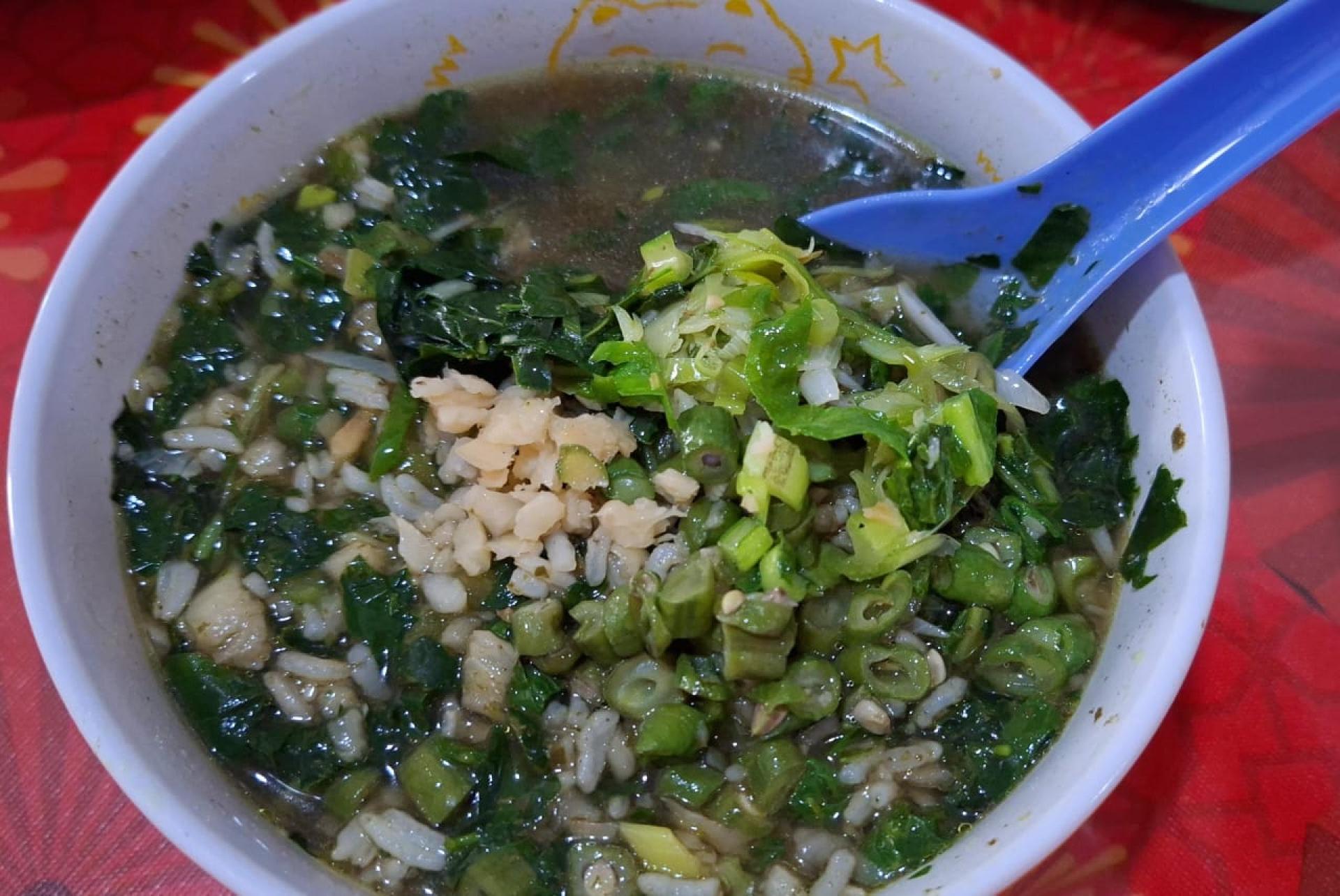
(Miri, 23rd) The seventh day of the Lunar New Year, known as “Renri” or the Human Day, is considered the birthday of all people in traditional Chinese culture. In the Hakka community, this tradition is kept alive by preparing fragrant and delicious Lei Cha (Hakka Thunder Tea) on this day and sharing it with family members. Seven types of vegetables are paired with rice and mixed with tea, symbolizing reunion and harmony, as well as wishing for health and longevity.
In Hakka culture, treating relatives and friends with Lei Cha on Renri is one of the important culinary customs during the Lunar New Year. Strictly speaking, “Hakka Lei Cha” originates from the Hepo region, and so it is also called “Hepo Lei Cha.” In earlier times, when the Hakka people migrated southwards and settled in places like Kuching and Miri in Sarawak, they also brought with them the Lei Cha culture, which has been passed down till today.
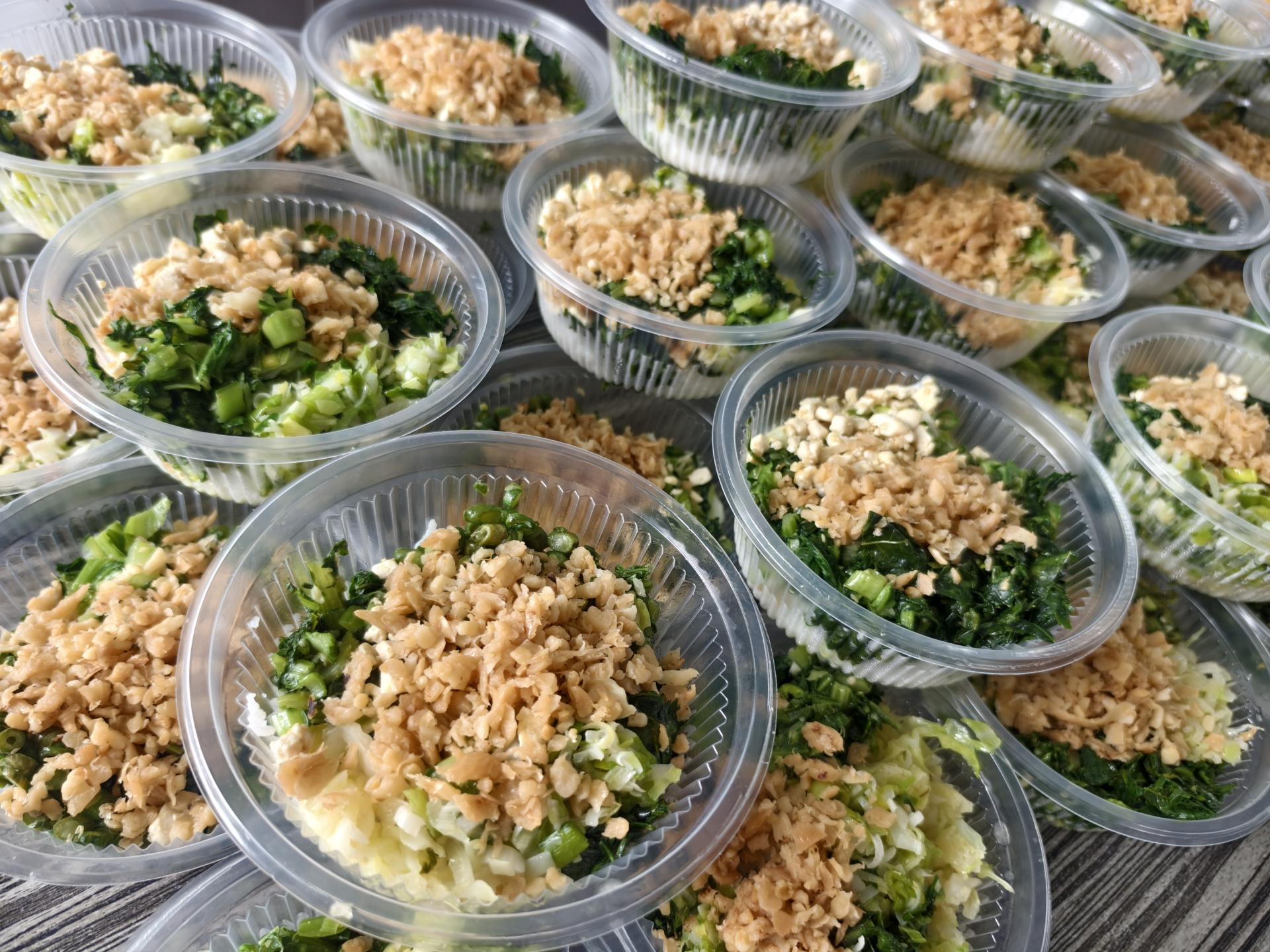
The Lei Cha prepared for Renri emphasizes the “seven kinds of vegetables,” which generally include choy sum, sayur manis (sauropus), garlic, leafy greens, dried beancurd, dried shrimp, peanuts, and preserved vegetables. These are enjoyed with rice and doused in a green tea soup made by grinding various wild vegetables and grains. The whole family gathers round to enjoy the meal together, celebrating “everyone’s birthday.” The meaning is similar to that of “Yusheng” (raw fish salad) in wishing for prosperity and blessings. 以七种不同菜色搭配而成的客家擂茶,清香爽口,具养生功效。 The soul of Lei Cha lies in its tea broth, which is made from herbs and wild vegetables such as mugwort, Gynura (Kuli Xin), basil, mint, and various grains, ground repeatedly to a rich aroma. Traditionally, the process requires a pestle and mortar to grind slowly by hand. The mortar is crafted from clay, while the pestle is often made from the wood of a guava tree, about 40 cm long and peeled before use. Only through repeated manual “pounding” can the unique fragrance and rich flavor be fully elicited.
With the times, electric blenders have gradually replaced traditional pounding tools, making the process more convenient. However, many believe that hand-pounded Lei Cha has a richer taste and carries more of the traditional charm.
After indulging in rich foods during the New Year, eating Lei Cha on Renri not only carries the meaning of cultural heritage but also helps clear the digestive tract and aids in digestion. The fragrance and pure flavor of Hakka Lei Cha not only quench thirst, but are also good for the spleen and stomach, cool and relieve summer heat, and have nourishing health effects.
As one of the traditional Hakka culinary customs, Lei Cha embodies the wisdom and life experiences of the ancestors. Every seventh day of the New Year, people celebrate “everyone’s birthday” with Lei Cha made from seven types of vegetables, not only expressing blessings for the New Year but also continuing the transmission and development of Hakka culture into the new era.
This article has been translated using our AI technology. While we strive for accuracy,
AI translations
may contain errors. For the most precise information, please refer to the original article.