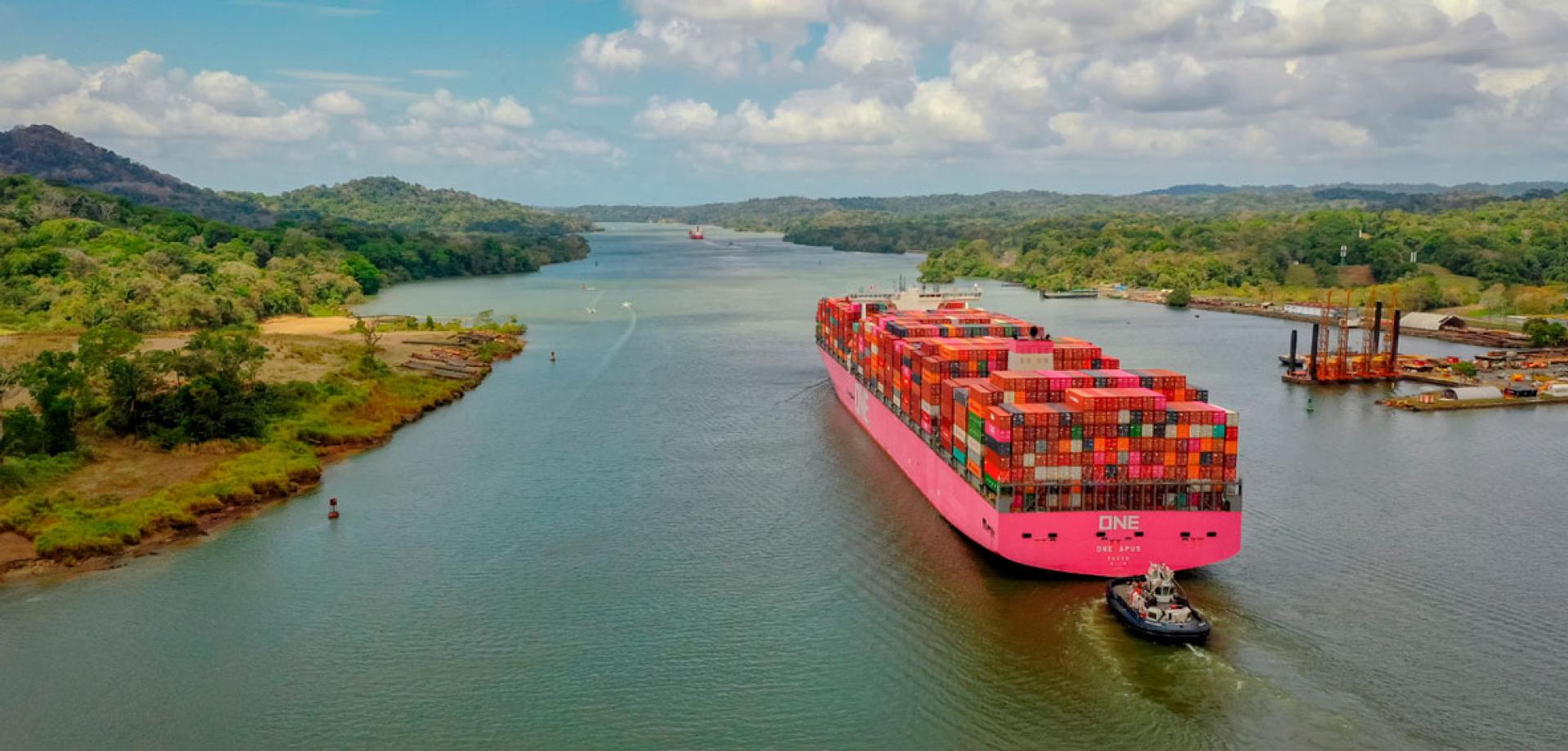
The Iran conflict has impacted oil production in the Gulf region, tightening oil supplies for Asian refineries. The closure of the Strait of Hormuz has further disrupted global shipping and energy markets, forcing cargo to be rerouted, which in turn has pushed Panama Canal transit fees to record highs.
According to commodity intelligence agency Argus, the number of bids attracted by daily auctions for Panama Canal transits is now five times higher than before the conflict. Among them, the most widely used Panamax locks now fetch an average price of US$837,500 (RM3.3116 million).
The Financial Times quoted Argus Americas freight pricing director, Ms. Griffiths, as saying that since the outbreak of the Iran war and closure of the Strait of Hormuz, auction prices for Panamax locks have surged nearly ninefold.
She said: “This increase is very significant and reflects how Asian buyers are scrambling to purchase crude oil, fuel, and dry bulk cargoes such as coal, sourcing them from the US Gulf Coast region.”
In addition to the skyrocketing shipping fees, waiting times for crude oil tankers passing through the Panama Canal have also extended to 4.25 days, a new high in the past six weeks.
Argus data also shows that some companies are paying large sums to jump the queue for passage. In April this year, the single-bid price for the largest lock even reached as high as US$4 million (RM15.8164 million).
The Panama Canal is the shortest sea route between the Gulf region and Asia. Owners of large vessels that frequently use the canal, such as large container ships and LPG companies, generally book transit slots at fixed rates far below the average auction price, rather than compete in daily auctions. About 30% of canal passages are allocated through daily bidding.
The Panama Canal Authority told the Financial Times that recent auction results reflect changes in market supply and demand, rather than fee increases.
Experts believe that the increase in shipping rates is primarily driven by Asian demand, given sufficient supplies of US crude oil and refined products.
Market analysis company Kpler noted that since the start of the US-Iran conflict, 29 oil tankers carrying diesel, LNG, and jet fuel have deviated from their routes, most heading to Asia.