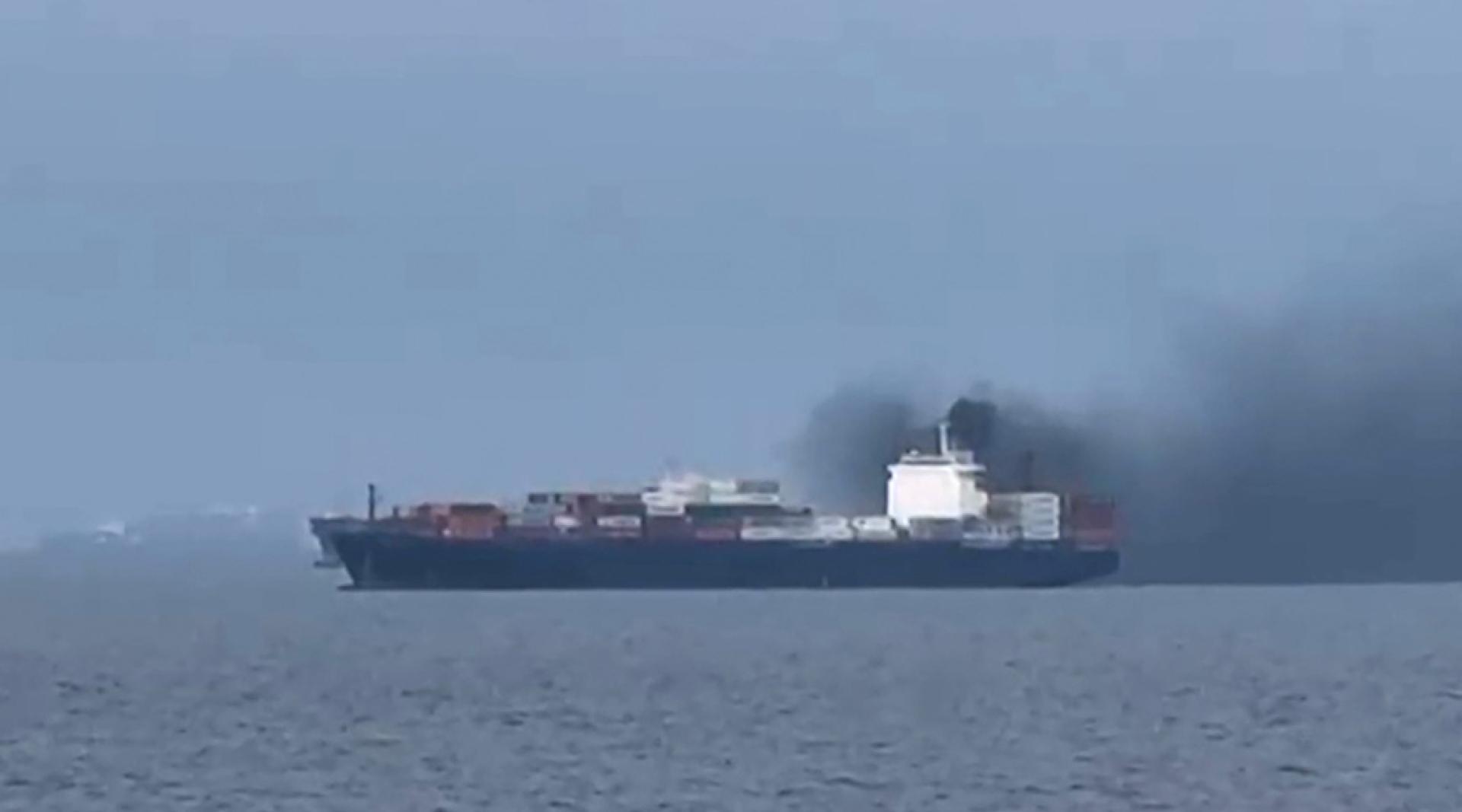
In response to the ongoing tense situation in the Middle East, the foreign ministers of ASEAN member states unanimously believe that ASEAN needs to promptly issue a unified response to mitigate the impact of the conflict, while ensuring the stability of the region and the safety of ASEAN citizens residing in the Middle East.
The Philippines, as ASEAN’s rotating chair, convened a special emergency online meeting regarding the Middle East situation.
According to a report by Lianhe Zaobao, a statement from Singapore’s Ministry of Foreign Affairs noted that ASEAN foreign ministers discussed the impact of the Middle East conflict, including its effects on the global energy market and maritime transport routes. They emphasized the importance of an immediate cessation of hostilities and called on all parties to refrain from any actions that would further escalate the situation, instead resolving differences through diplomacy and dialogue to maintain regional peace and stability.
Singapore’s Foreign Minister Vivian Balakrishnan said: “This crisis serves as a timely reminder that ASEAN needs to enhance collective economic and social resilience, and further strengthen long-term regional connectivity and energy security. The work we are advancing to diversify our energy sources, including the development of renewable energy and the implementation of the ASEAN Power Grid project, is now even more crucial.”
Vivian Balakrishnan stressed that prolonged conflict would have serious consequences for the entire world, including ASEAN. He urged all parties to return to the negotiating table and resolve disputes peacefully in accordance with international law and the principles of the United Nations Charter.