The internet is rife with false information, and blind belief can easily lead to disaster, even harm to the body. According to China’s Dahe Daily, a young man in Zhengzhou, Henan recently sought treatment at a hospital emergency room, where doctors discovered a leech in his urethra, forcing him to seek help due to unbearable pain.
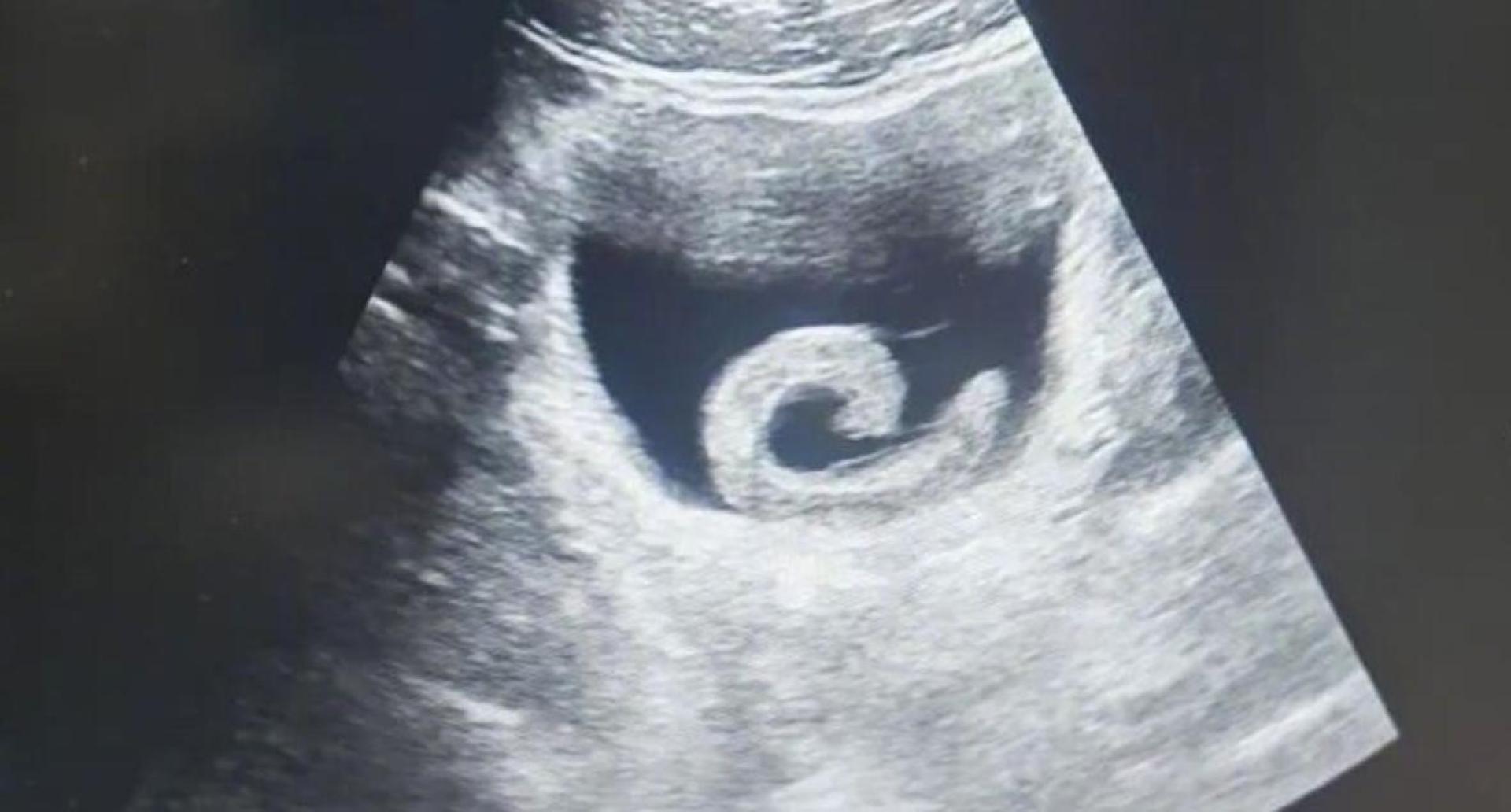
According to the report, the man arrived at the emergency room with a pale face and sweat streaming down his forehead. He was hunched over, clutching his lower abdomen tightly with both hands, his face contorted in pain and fear. Doctors immediately performed an ultrasound examination, which revealed a wriggling strip-shaped foreign object inside his bladder, with bleeding around it.
The deputy chief urologist conducted an endoscopic examination and was shocked to find a leech about 5–6 centimeters long in the patient’s bladder, attached to the bladder lining, which had become severely congested and swollen. This caused the man intense pain and an inability to urinate.
Upon seeing this, the doctor immediately removed the now engorged, swollen leech—full of blood—from the bladder via the urethra. Once the surgery was completed, the man’s pain instantly disappeared.
Upon investigation, patient Xiao Zheng (pseudonym), only 23 years old, had recently seen some “folk remedy” rumors online. Out of curiosity and novelty-seeking, he bought live leeches online and inserted them into his own urethra. The leech crawled inwards along the urethra and took up residence in the bladder. Xiao Zheng thought it would produce some kind of “strange” effect, but in the end, all he got was pain and regret.
Surgery May Cause Irreversible Secondary Injury
Chinese urology doctor Dan Zhongjie said that some people, driven by curiosity, have put thermometers, wires, steel balls, and even live creatures into their urethras. Because the mucous membranes of the urethra and bladder are extremely delicate, foreign objects can easily cause scratches, perforations, infections, and bleeding. Living organisms such as leeches can suck blood and release toxins, causing severe inflammation, anemia, or even sepsis, potentially putting lives at risk.
Dan Zhongjie added that although cystoscopic removal is a common method, the surgery itself carries risks and may cause irreversible secondary damage to the urethra and bladder, possibly resulting in chronic pain, urinary dysfunction, and repeated infections.