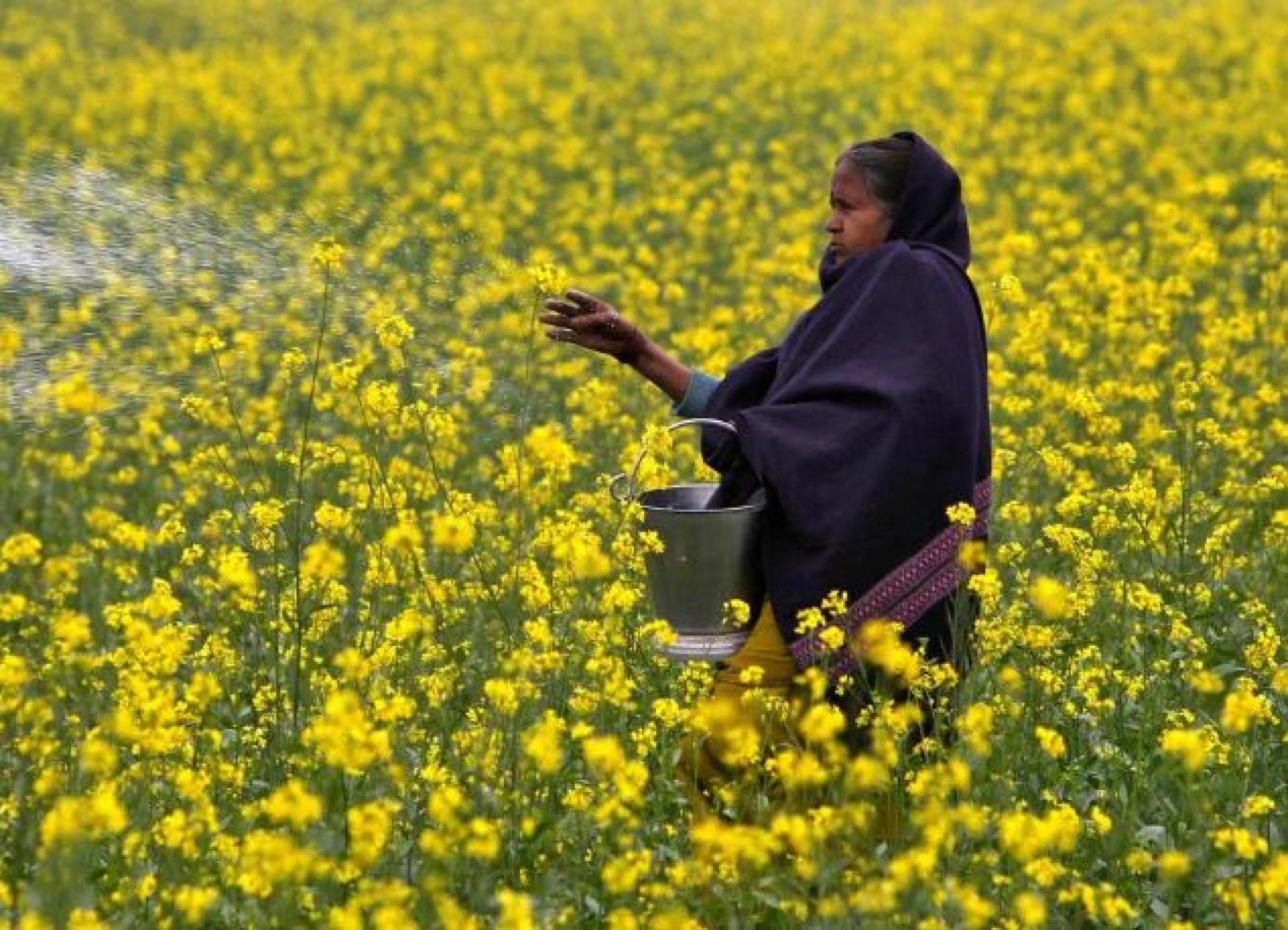
Australia will purchase 250,000 tons of urea for fertilizer use from Indonesia to fill the supply gap caused by the Middle East conflict.
Australian Prime Minister Anthony Albanese stated in a declaration on Friday (April 17) that the agreement between Australian fertilizer supplier Incitec Pivot Fertilizers and Indonesian fertilizer manufacturer Pupuk Indonesia will meet about 20% of Australia’s fertilizer demand for this season.
He said: “This is a significant result for our farmers. We recognize the importance of fertilizer to farmers, the food production system, and regional food security.”
Australian Agriculture Minister Collins announced earlier on Thursday (April 16) that the authorities will streamline fertilizer import procedures to ease supply issues caused by the Middle East conflict.
Before the outbreak of the conflict, around 60% of Australia’s urea imports were transported via the Strait of Hormuz. As uncertainty rises, some farmers have started switching to crops that rely less on fertilizer, and wheat planting acreage may decrease as a result.
On Friday, Collins stated that the Australian and Indonesian governments jointly promoted the agreement, “This means that during a period of global instability, Australia can continue to support Indonesia and the region’s food security.”
Indonesian Deputy Minister of Agriculture Sudaryono noted that Indonesia expects to have about 1.5 million tons of surplus urea production capacity available for export this year. In addition to Australia, countries such as India, the Philippines, and Brazil are also interested in importing.
He said: “This is a significant result for our farmers. We recognize the importance of fertilizer to farmers, the food production system, and regional food security.”
Australian Agriculture Minister Collins announced earlier on Thursday (April 16) that the authorities will streamline fertilizer import procedures to ease supply issues caused by the Middle East conflict.
Before the outbreak of the conflict, around 60% of Australia’s urea imports were transported via the Strait of Hormuz. As uncertainty rises, some farmers have started switching to crops that rely less on fertilizer, and wheat planting acreage may decrease as a result.
On Friday, Collins stated that the Australian and Indonesian governments jointly promoted the agreement, “This means that during a period of global instability, Australia can continue to support Indonesia and the region’s food security.”
Indonesian Deputy Minister of Agriculture Sudaryono noted that Indonesia expects to have about 1.5 million tons of surplus urea production capacity available for export this year. In addition to Australia, countries such as India, the Philippines, and Brazil are also interested in importing.