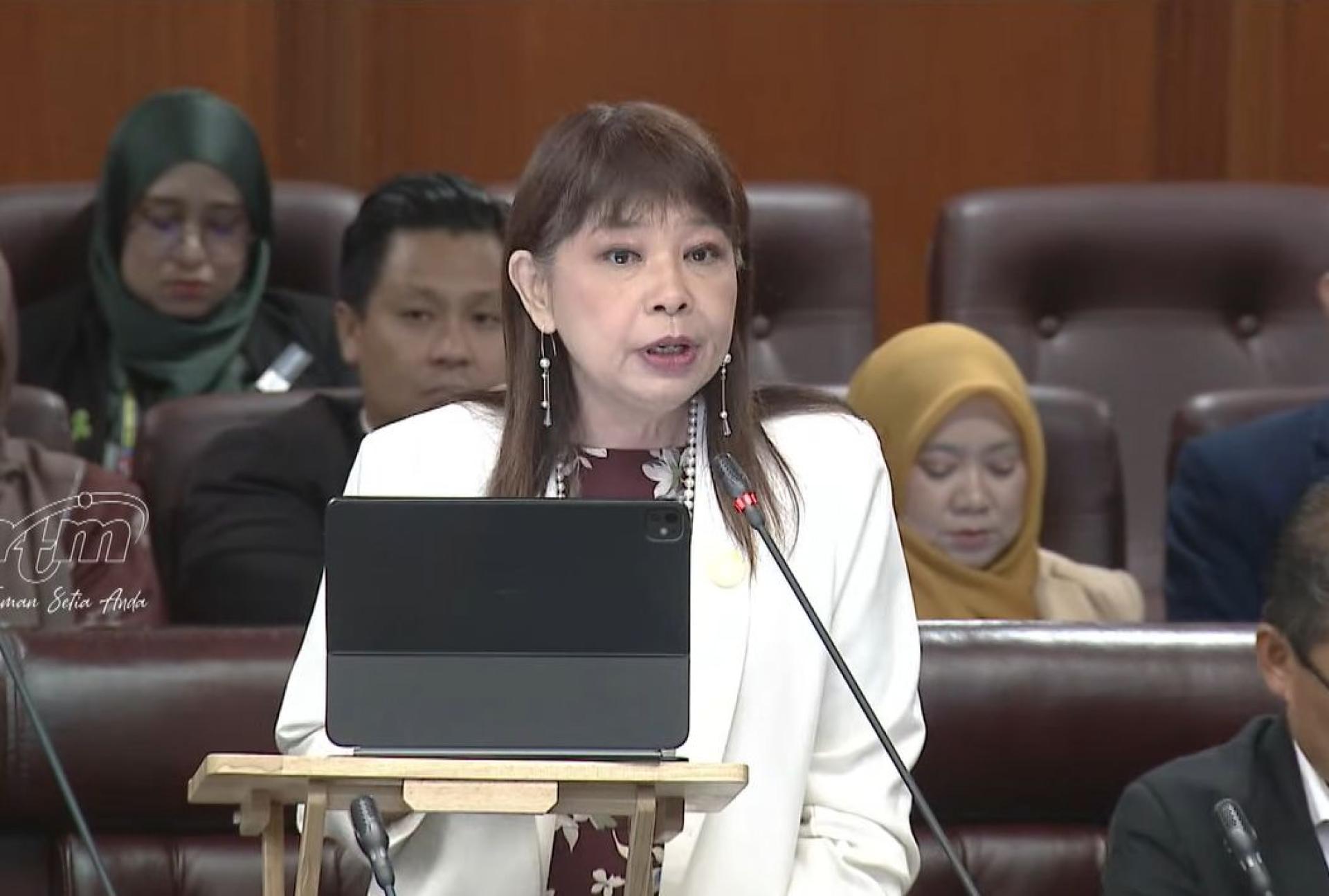
Minister of Works, Dato’ Sri Alexander Nanta Linggi, pointed out that Malaysia is strengthening cooperation with South Korea to support talent development, research, and innovation in the field of Intelligent Transport Systems (ITS).
He said that South Korea’s global leadership in intelligent transport systems, smart cities, and digital technology provides Malaysia with a strong strategic partner to implement the “Malaysia Intelligent Transport System Roadmap 2030”.
He made these remarks today (9th) while speaking at the Malaysia-Korea Intelligent Transport Systems Roadshow.
Alexander mentioned that Malaysia and South Korea have built a close cooperative relationship for decades, and since the 1990s, South Korea’s engineering expertise has contributed to several large-scale national infrastructure projects in Malaysia.
“From the Penang Second Bridge to the Petronas Twin Towers, South Korea’s outstanding engineering technology stands tall in Malaysia’s urban landscape.”
“These structures remind us that cooperation between Malaysia and Korea is not just about infrastructure construction but also about creating a legacy.”
He stated that this roadshow provides a strategic platform for policymakers, industry experts, researchers, and practitioners to exchange knowledge, share innovative achievements, and explore new opportunities in intelligent transport systems.
He added that this event also witnessed a historic development, namely the first exchange of a memorandum of understanding between Malaysia's Ministry of Works and South Korea's Ministry of Land, Infrastructure and Transport.
He said the agreement reflects both parties’ shared vision to strengthen cooperation in intelligent transport systems and smart tolling, sustainable construction technology, as well as infrastructure maintenance and asset management.
Later on, Alexander stated that the ministry will continue to supervise and take strict action against contractors who fail to complete works on time, and currently, only about 3% of projects are classified as delayed, problematic, or abandoned. The vast majority of projects are completed on time or ahead of schedule.
He said that the usual reasons for delays are site-related issues, involving multiple agencies including state governments, local authorities, utility companies, as well as contractor companies’ management deficiencies or financial problems.
“Therefore, the Ministry’s Secretary-General has set up a special committee to supervise and take appropriate action in accordance with the regulations. Do not forget that contracts are legally binding, so we cannot simply terminate projects.”