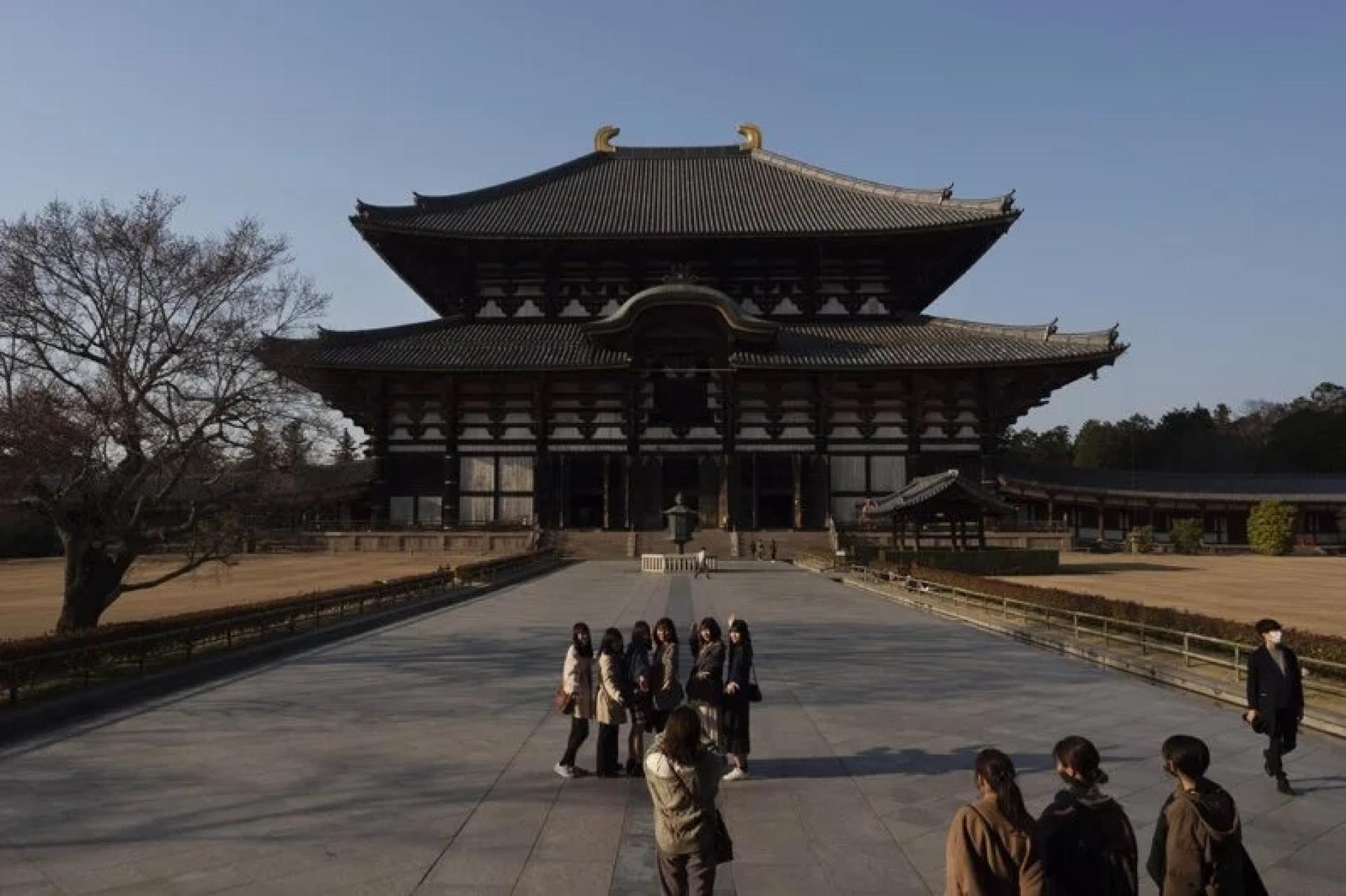
In 2015, multiple temples and shrines in Japan were vandalized with an oil-like liquid in a series of 48 incidents across 16 regions, with historic sites such as Todaiji Temple in Nara City and Nijo Castle in Kyoto City also falling victim. The suspect was later identified as a physician living in the United States.
According to the "Mainichi Shimbun," Katori Shrine in Katori City, Chiba Prefecture, was also similarly damaged. The 63-year-old suspect, Masahide Kanayama, was arrested by Chiba Prefectural Police on suspicion of violating the "Building Damage Law."
Inside the World Cultural Heritage site, Nijo Castle, 20 oil stains appeared on the passageway to the Ninomaru Palace, which is designated as a national treasure, in February 2015. The management reported that after discovering the oil stains, they consulted the Tokyo National Research Institute for Cultural Properties on how to clean them. They later learned the stains were caused by an oil-like liquid, and it took about a month to find a method of removing the oil that would not damage the wood.
Although most of the oil stains have been removed, some oil that had soaked deeply has continued to seep to the surface and cannot be completely eliminated. As a result, from April 2015 onward, the management arranged for security guards and installed six surveillance cameras to step up security.
According to litigation documents presented by the defense, the suspect is a physician who ran a clinic in New York, USA, and is also the founder of a certain religious organization.
After being arrested, he admitted to the charges during investigation, stating that he "had no objection."